
Comparing Quotes for Roof Repairs in Downingtown: Beyond the Total
Two quotes for the same leak may cover very different work. Learn which scope details and questions help make a fair roof repair comparison in Downingtown.
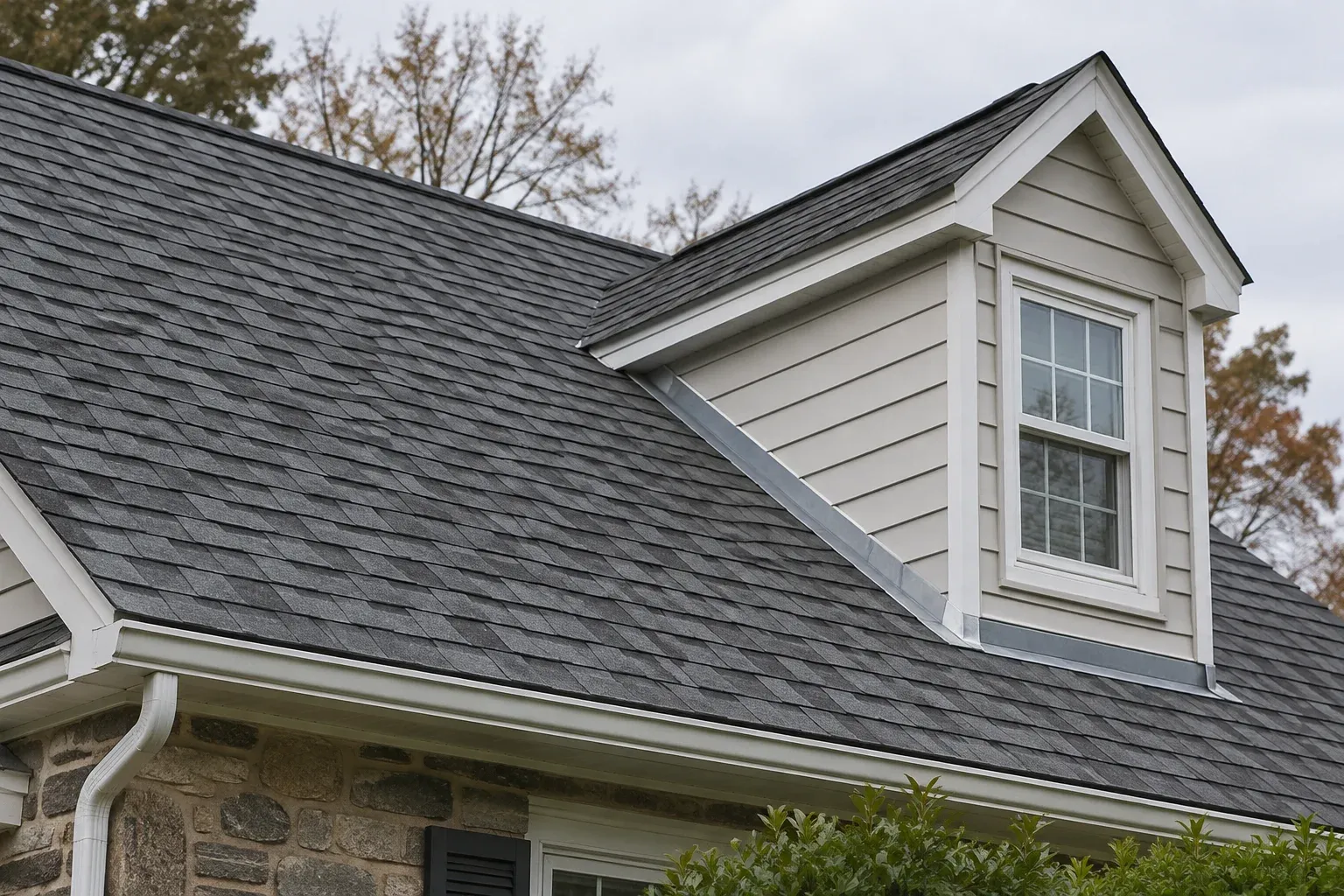
First, make sure the quotes address the same problem
Comparing quotes for roof repairs in Downingtown gets confusing when two contractors describe different solutions for the same ceiling stain. One proposal might call for replacing several shingles, while another includes opening a roof-to-wall junction and rebuilding flashing. Those are not necessarily competing prices for identical work. Before choosing, establish what each contractor believes is leaking and exactly what the proposed repair includes.
The useful comparison is between supported diagnoses and defined scopes, not just totals. This matters for homeowners, rental property owners, and managers of small commercial buildings alike: an unclear proposal makes budgeting and approval harder. Put the quotes side by side and compare five things—the suspected source, repair boundaries, materials, flashing work, and treatment of concealed damage. A smaller repair can be appropriate when the evidence supports it.
Compare the suspected leak source and supporting evidence
A stain identifies where water became visible, not necessarily where it entered the roof. Water can travel along framing or beneath roofing materials before appearing indoors. Ask each contractor to identify the suspected entry point and explain the observations behind that conclusion. Useful evidence might include displaced shingles, deteriorated flashing, or moisture patterns seen from an accessible attic. None of those observations should be treated as a complete diagnosis without context.
A proposal should distinguish a confirmed defect from a working explanation. For example, a damaged shingle near a stain may be relevant, but the quote should explain why repairing it is expected to stop the leak. If the source remains uncertain, ask whether further leak detection is recommended before committing to a permanent repair. Also clarify whether a proposed sealant application is temporary protection or the intended finished solution.
- What do you believe is the water entry point?
- Which observations support that conclusion?
- What remains uncertain, and how would that uncertainty be resolved?
Define the repair boundaries, not just the roof feature
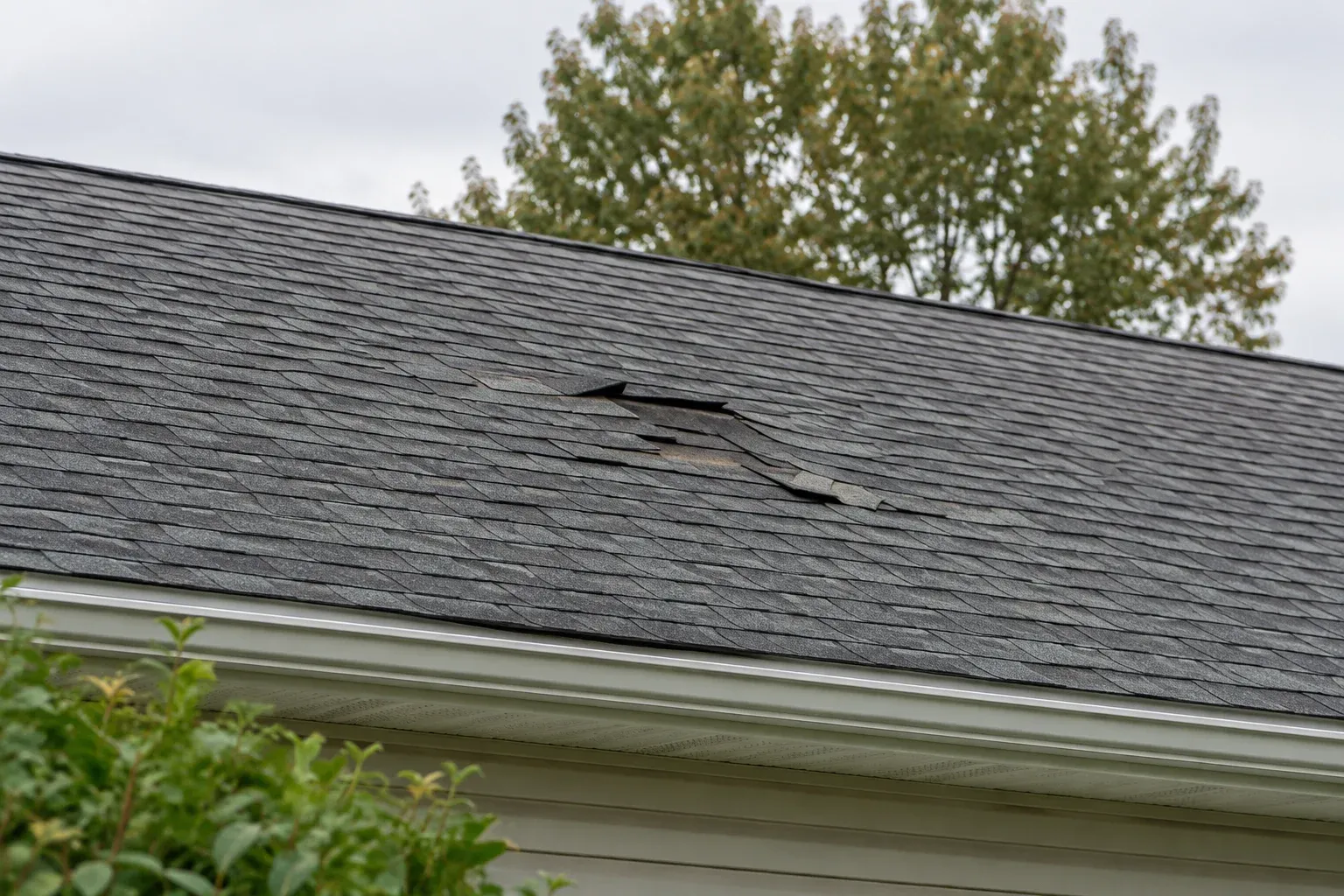
Next, identify where the work starts and stops. “Repair shingles around chimney” leaves important questions unanswered. A clearer scope describes the roof face or feature involved, an approximate area or number of courses, and which adjacent components will be disturbed. Measurements do not need to create false precision, but they should let you understand the intended repair footprint and compare it with another proposal.
A wider boundary can be justified when surrounding materials must be lifted to reconstruct a detail or when the repair needs to connect to sound existing roofing. It can also add work that is not necessary for the identified defect. Ask why each boundary was chosen, whether adjacent shingles can be reused without damage, and how the new work will connect to the roof that remains. Larger is not automatically better; a workable connection is what matters.
Check the materials and flashing details
Two proposals that both say “replace shingles” may include different underlying work. Compare whether they cover removal, underlayment, replacement shingles, fasteners, and any affected metal components. Ask for enough material detail to understand compatibility with the existing roof. Product choice matters, but a product name alone does not explain how the repair will be assembled or connected to existing materials.
Appearance deserves a separate conversation. New shingles may differ from weathered ones even when they are a close product match, and an older style may no longer be available. Ask what match is expected rather than assuming the patch will disappear visually. For other roof systems, such as low-slope commercial roofing, compare the proposed membrane or patch material and its compatibility instead of applying a shingle-based checklist.
Flashing language needs particular attention because “repair flashing” could mean resealing a joint, replacing individual pieces, or rebuilding an entire junction. At a sidewall, ask whether step flashing will be inspected, reused, or replaced and how it will connect with the wall's water-shedding layers. Around a chimney, ask which flashing components are included. Sealant can serve a useful role in appropriate details, but its mention should not substitute for explaining the repair.
Understand what happens if concealed damage is found
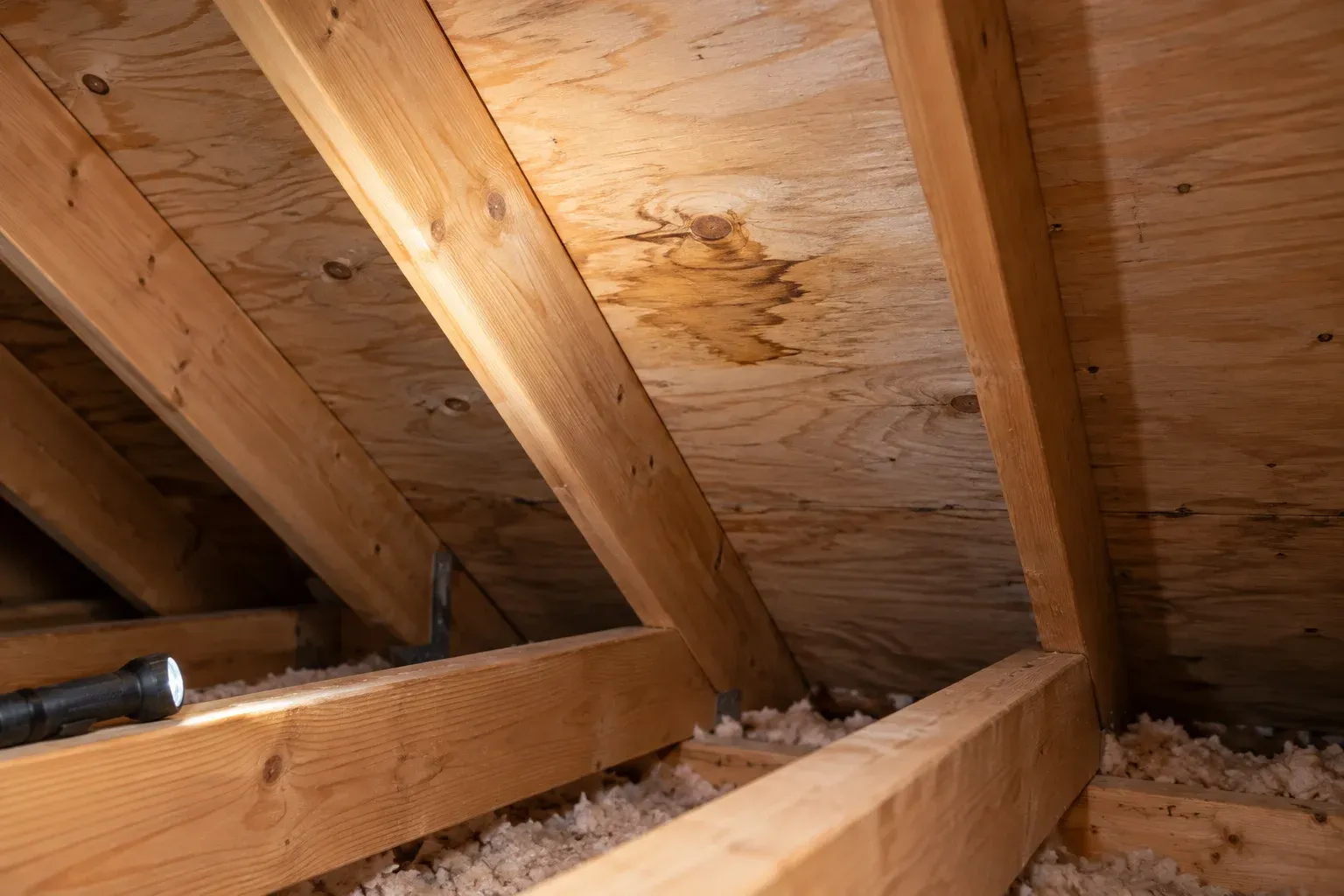
Some conditions become visible only after roofing materials are removed. Damaged decking, deteriorated wood near a penetration, or unsuitable previous patching can change what is needed. A responsible comparison does not require pretending those conditions are already known. Instead, look for a clear distinction between work included in the quoted amount and additional work that would depend on what is uncovered.
Ask how hidden damage would be documented, priced, and presented for approval. A proposal might provide a unit price, an allowance, or a process for preparing an additional quote; understand which applies and what it covers. Clarify whether interior drywall, insulation, or painting is excluded. Also ask how an opened area would be protected while decisions are made, rather than assuming extra work can always be approved immediately.
- What concealed-damage work, if any, is included?
- How will additional quantities and costs be explained?
- Will approval be requested before additional work proceeds?
- Who is responsible for any separate interior repairs?
Get the remaining differences into writing
Once the technical scopes are clearer, compare practical terms: estimated scheduling, expected duration, access requirements, cleanup, and any written warranty or callback provisions. Ask what those provisions cover rather than assuming all future leaks are included. For a rental or occupied business property, clarify whether access to tenant spaces or temporary disruption is anticipated. These details can affect coordination even when the roof work itself is similar.
Turn vague wording into short written questions. Instead of asking whether a quote is “complete,” ask whether underlayment replacement is included beneath the removed shingles or whether a named flashing component will be replaced. Request an updated proposal or written clarification so the answer becomes part of the comparison. If one quote changes after clarification, compare the revised versions rather than the original totals.
Choose a clear scope for roof repairs in Downingtown
The strongest proposal is not necessarily the cheapest, the longest, or the one covering the most roof area. It should connect an understandable diagnosis to a defined repair, explain material and flashing choices, and account for uncertainty without leaving you to guess. Keep your notes alongside each roof repairs proposal so exclusions and unresolved questions remain visible. For roof repairs in Downingtown, compare the supported diagnosis and clearly defined scope, and bring these questions to each contractor before deciding.
Frequently asked questions
Why can quotes for the same roof leak describe different repairs?
Contractors may identify different suspected entry points, have different access to evidence, or include different repair boundaries. Ask each contractor to explain the diagnosis, supporting observations, and what the proposed work is intended to correct before comparing totals.
Is the quote with the largest repair area always the better choice?
No. A larger area may be needed to reach sound materials or reconstruct a flashing detail, but size alone does not establish value. Compare whether the boundaries and included work are justified by the roof's condition and the suspected leak source.
How should a quote address damaged decking found during the repair?
Look for a clear explanation of what is included, how additional damage will be documented, how extra work will be priced, and when approval will be requested. Also ask how the opened roof will be protected while a decision is pending.