
- Home
- Services
- Roofing contractor
- Gutter installation
Roofing contractor
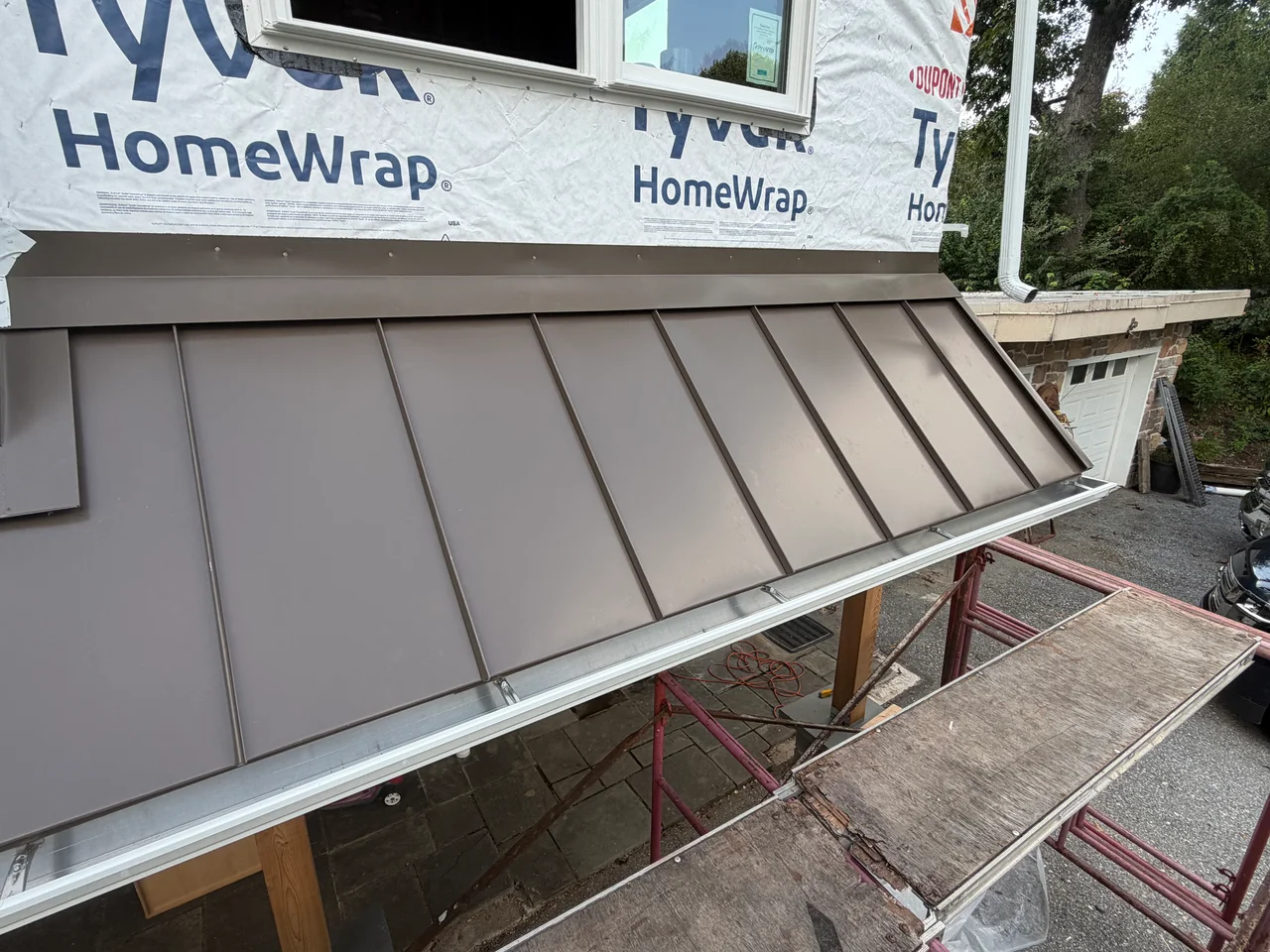
gutter installation that puts roof runoff on the right path
Keep rainwater from spilling down your siding, washing out planting beds or pooling beside the foundation. EA Construction & Roofing provides gutter installation, planned around roof drainage, fascia condition and where the downspouts empty.
Recognize the signs
Signs you need gutter installation
New gutters are worth talking about when seams keep leaking after you've cleared debris, sections are pulling away from the fascia, or water keeps overflowing in the rain. You want a drainage layout that suits your roof and the ground around your home.
Water spilling at the roof edge
Sagging gutters, missing sections, or water running behind the gutter can leave siding and trim exposed to concentrated runoff.
Erosion around planting beds
Washed-out mulch and soil under the eaves can mean runoff isn't being collected or directed where it should go.
Pooling near the foundation
Water collecting beside the house after rain is a reason to look at downspout placement and discharge as well as the gutter runs.
From roof edge to ground
Planning gutter installation
Plan the gutters around the whole route water takes, from the roof surface to where it discharges. If roof repairs or roof replacements are also on your list, talk about how the roof-edge work and gutter installation could be coordinated.
Drainage layout
Look at which roof areas drain into each gutter run, where drainage problems show up, and how access around the building could affect the installation.
Attachment points
Ask how fascia condition and roof-edge details could affect attachment, and whether any preparation or repairs need to be included in the scope.
Collection and discharge
Talk through gutter size, slope, outlets and downspout locations, plus where water goes once it reaches the ground, especially near the foundation.
Installation details and flow checks
Ask what the selected system requires for attachment and sealing connections. Find out whether a water-flow check is included, and how drainage toward the downspouts and away from the foundation would be checked.
Understand the scope
What shapes your installation estimate
Estimates are free. Ask for a scope that lists gutter lengths, downspout locations, attachment details and any prep work needed. When you compare proposals, look at what each one includes as well as the total.
Gutter layout and materials
Total length, corners, separate runs, and the selected material, profile, and size affect the scope.
Access and preparation
Building height, access, removal of old gutters, and fascia condition can change the preparation and installation work required.
Downspouts and discharge
The number and size of downspouts, their placement, and any included extensions or discharge connections also influence the estimate.
Local drainage considerations
Plan for leaves, rainfall and winter conditions
In West Chester, Downingtown, Kennett Square and surrounding communities, seasonal leaf buildup from nearby trees is worth planning for. A blocked outlet can stop drainage even when the gutter runs themselves look fine.
Heavy rain puts capacity and discharge placement to the test, and winter freezing makes things worse where water stays trapped. The plan should follow your roof layout, tree cover and grading, instead of a standard downspout arrangement.
A practical first step
Show where the water is going
During a rain, watch from a safe spot on the ground for where water overflows, runs behind the gutters or pools near downspouts. Photos of those spots help explain the problem when you get in touch.
Don't climb onto a wet roof or try to adjust high gutters yourself. Contact EA Construction & Roofing with the property location, what you've noticed and any related roofing plans, and ask about a free estimate.
Questions and answers
How is the right gutter size determined for my roof?
Sizing depends on the roof area draining into each gutter run, the roof layout, and the number and placement of outlets and downspouts. The length of the roof edge alone does not establish the drainage capacity you need.
Can existing downspouts be reused with new gutters?
It depends on their condition, size, location and whether they work with the new gutter system. They may not fit a revised drainage layout, so include them in the assessment instead of assuming they'll stay.
Does damaged fascia need repair before installation?
Loose or deteriorated fascia may need repair before gutters can be securely attached. Checking it before installation helps identify preparation work that should be included in the estimate.
Where should downspouts discharge?
Discharge should direct water away from the foundation without creating pooling on walkways, sending runoff onto neighboring property, or concentrating water in low areas. Suitable locations depend on your property's grading and drainage layout.
Should gutter installation happen before or after roof replacement?
If you're planning both, work out the order together. Roof-edge work can affect gutter attachments and runoff connections, and coordinating the scope keeps new parts from being disturbed.
Free estimates across Chester County
Tell us what your roof needs
Describe the roofing problem or project you have in mind, where the property is and anything you've noticed. Request a free estimate to get started. Appointments are required.