
Comparing Shingle Roofing Estimates in Chadds Ford: Look Beyond the Total
A practical guide to comparing roofing proposals, spotting unclear allowances and asking which materials and tasks each estimate actually includes.
Start with the work, not the total
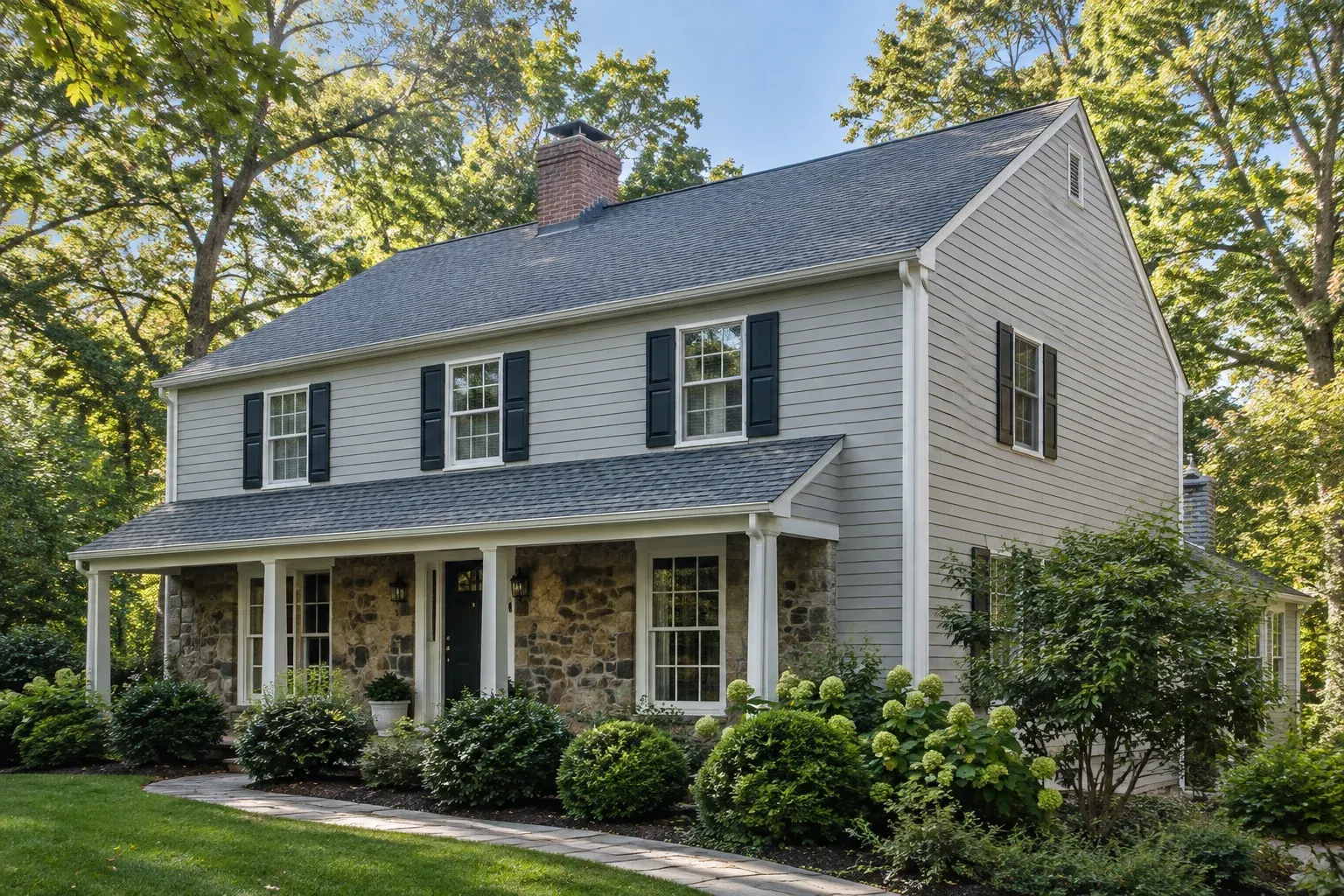
Comparing shingle roofing estimates in Chadds Ford starts with a simple question: are these proposals describing the same job? Two totals can look far apart even when both contractors have priced their proposed work reasonably. One may include removal of existing roofing, new flashing and ventilation changes; another may leave those items out or treat them as additions. Before deciding which estimate offers better value, make the differences visible.
For homeowners exploring shingle roofing in Chadds Ford, the most useful comparison is a line-by-line review of materials, labor and unresolved conditions. The same approach helps rental-property owners and managers of small offices with shingle roofs, who also need to understand access and cleanup arrangements. These are questions to ask any contractor, not a description of EA Construction & Roofing’s standard scope or procedures.
Match the roof areas and removal assumptions
Place the estimates side by side and identify the roof areas each covers. Does every proposal include the main house, an attached garage and any porch roof you discussed? Are low-slope sections included, excluded or proposed as separate work? A phrase such as “replace roof” does not tell you which surfaces are covered. Ask each contractor to describe the boundaries clearly enough that you can match one proposal against another.
Then confirm whether the proposal includes removing existing roofing or installing over it. Ask how many existing layers the estimate assumes and whether removal, loading, hauling and disposal are included. GAF’s discussion of roofing over existing shingles explains that suitability depends on the individual roof. For comparison purposes, the important point is that removal and an overlay are different scopes—not interchangeable entries under the same heading.
Identify the shingles and related components
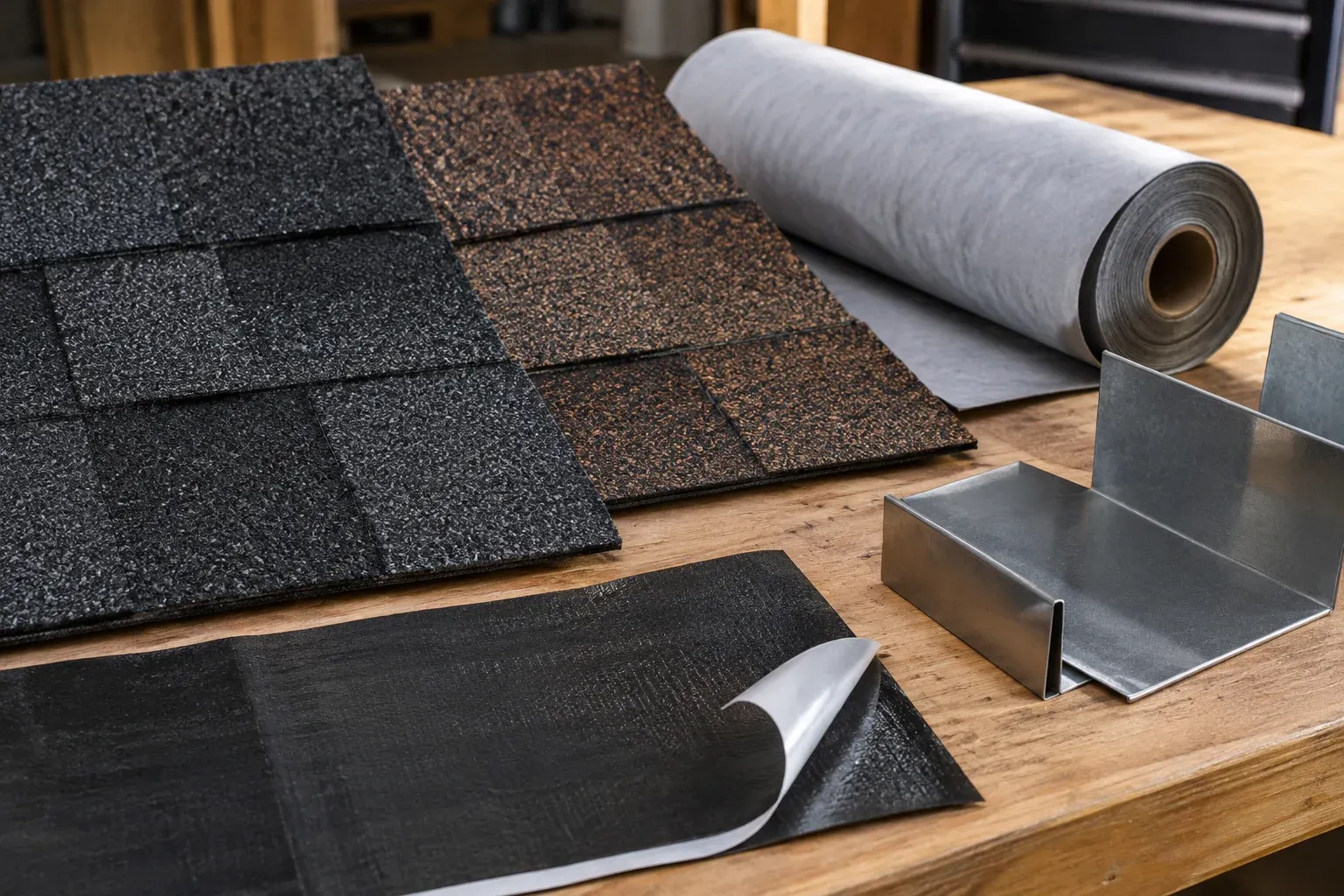
“Architectural shingles” is a category, not a complete product specification. Request the manufacturer and exact product line, along with the proposed color if you have selected one. If estimates name different products, ask contractors to explain the differences relevant to your project. You can also request a matching-product option so the comparison is less affected by material choices. Keep upgrades separate from the base proposal.
Look beyond the field shingles to starter shingles, ridge caps and other accessories. Are those products identified, or bundled into an unexplained “roofing materials” entry? CertainTeed’s estimate guidance recommends listing official product names and the materials and services within the scope. If warranty information influences your choice, request the applicable documents and ask what is being offered; do not assume similar-looking shingles come with identical coverage.
Clarify underlayment and flashing details
Underlayment and flashing deserve their own comparison even though much of this work will be concealed by the finished roof. Ask which underlayment is proposed and where any self-adhering membrane is included. “Underlayment included” may leave both the product and coverage unclear. You do not need to design the assembly yourself; you need the contractor to explain the proposed materials and locations in terms you can compare.
For flashing, ask about roof-to-wall intersections, chimneys, valleys and pipe penetrations that actually exist on your building. Will each relevant component be replaced, reused following evaluation, or excluded? “Flashing as needed” leaves the decision and extent unspecified. Ask what that phrase covers and what would trigger additional work. Keep chimney masonry, skylight replacement and other adjacent work distinct from the flashing around those features.
Make damaged-decking allowances understandable
The roof decking is the wood surface beneath the roofing materials, and its full condition may not be visible before removal. GAF’s explanation of estimate changes identifies concealed deterioration as one reason the final scope can differ from the initial proposal. An estimate can acknowledge that uncertainty without leaving the entire subject open-ended. Ask what decking replacement is included and what remains conditional on findings during the work.
If there is an allowance, ask what quantity and material it covers, how additional replacement would be calculated and whether associated labor and disposal are included. Also ask how findings would be documented and when you would be asked to approve a change. A proposal that includes some decking work and one that excludes it entirely have different starting assumptions, even if neither contractor can confirm the hidden condition yet.
- What decking work is included in the base scope?
- What material and unit of measurement apply to additional work?
- How will a finding and proposed change be communicated?
Ask what ventilation work is actually proposed
Ventilation is another area where a short line can conceal different proposals. One estimate might retain existing vents, while another includes changes to ridge or soffit ventilation. Ask what existing conditions informed the recommendation, which components will be changed and which will remain. If an evaluation has not been completed, ask whether the ventilation scope is provisional rather than treating it as a settled part of the comparison.
Request an explanation of how the proposed ventilation work relates to the selected roofing products and your building. If soffit alterations or other associated work are not included, have that boundary stated. The goal is not to choose the proposal with the most vents listed; it is to understand the reasoning, the actual work and any unresolved items before comparing totals.
Compare cleanup, access and exclusions
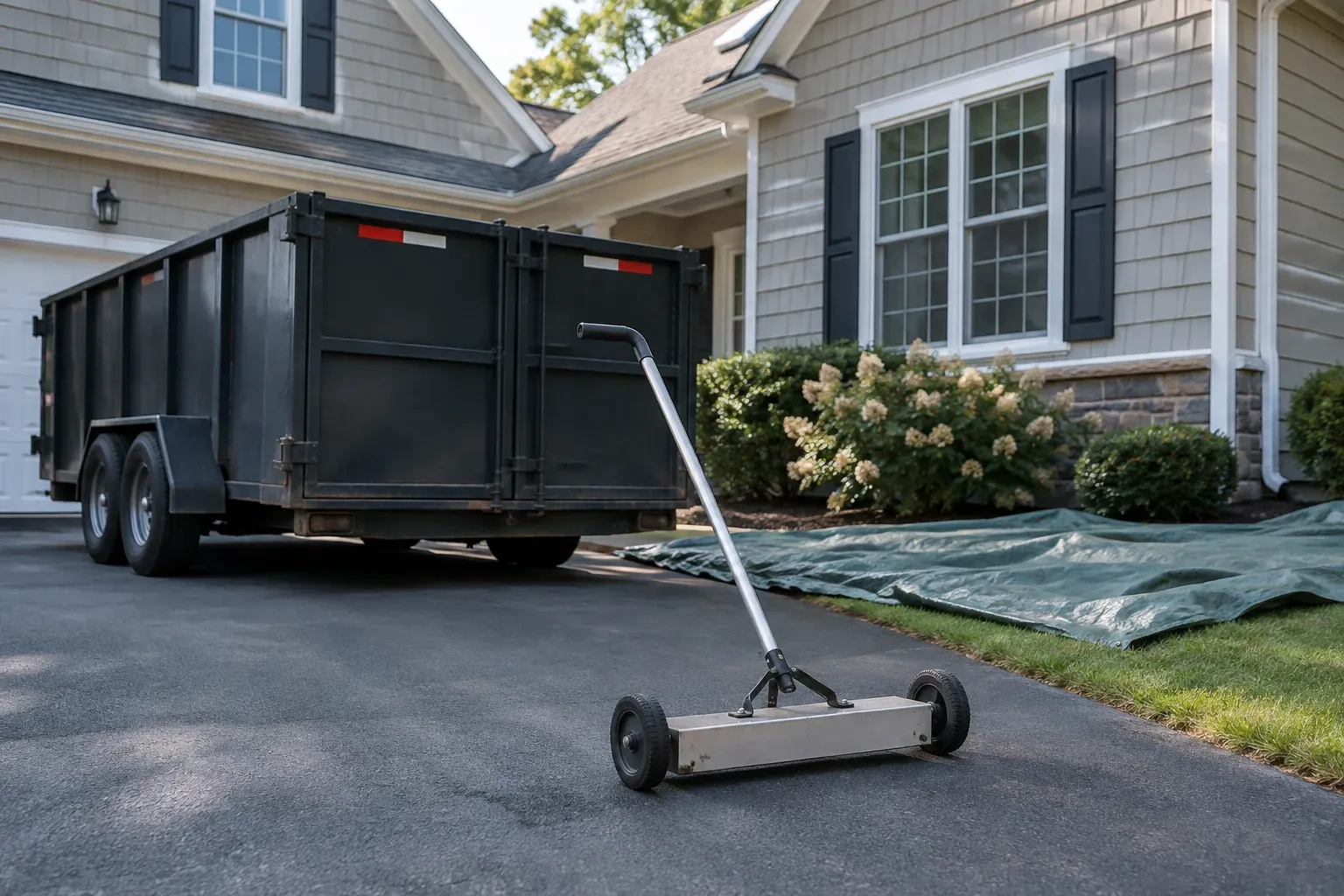
Cleanup should be more specific than “jobsite cleaned.” Ask whether the estimate includes hauling away removed roofing, disposing of packaging and collecting loose fasteners from accessible ground areas. Clarify where a debris container would go, which access areas are needed and what arrangements are proposed around landscaping. For a rental property or occupied office, also discuss entrances, parking and communication with occupants so the scope reflects how the building is used.
Read exclusions with equal care. Gutters, fascia, soffits, chimney repairs, skylights and interior finishes may fall outside a roofing proposal, but you should not have to guess. Ask whether applicable permit-related tasks and fees are included or excluded. If one estimate includes adjacent work and another does not, request a clearly separated option rather than comparing unlike totals as though the difference were entirely roofing cost.
Resolve the differences before choosing
Turn unanswered questions into a short written request for clarification. Ask each contractor to update the proposal so you are comparing the same roof areas, product choices and included tasks. The FTC’s consumer guidance recommends multiple written estimates, cautions against automatically choosing the lowest bidder and suggests asking about large differences. A higher total is not proof of a better proposal either; the explanation and written scope matter.
For shingle roofing in Chadds Ford, a useful estimate makes the included work clear and the remaining uncertainty understandable. Compare matched scopes first, then consider the total alongside how clearly your questions are answered. If you are planning a roof project, contact EA Construction & Roofing to discuss your needs and ask for the proposed materials, work boundaries and exclusions to be identified. Keep those details in writing as you evaluate your options.
Frequently asked questions
Does a lower shingle roofing estimate mean something important is missing?
Not necessarily. Contractors may propose different materials or approaches, and their costs can differ. Compare the written scope first, including removal, underlayment, flashing, decking allowances, ventilation and cleanup. Ask for an explanation of differences rather than assuming the lowest or highest total is the best choice.
What should an estimate say about damaged roof decking?
It should explain what decking work, if any, is included and how additional replacement would be handled. Ask about the proposed material, the unit used to calculate additional work, how findings will be documented and when you will be asked to approve a change.
How can I compare estimates that use different shingles?
Request the manufacturer and exact product line for each proposal, along with the included starter shingles, ridge caps and related components. If you want a closer comparison, ask whether each contractor can quote the same product and scope. Keep alternative products clearly separated from the base proposal.