
Gutter Installation in Marshallton: What to Check When Keeping Your Existing Roof
Keep a serviceable roof while planning new gutters. Learn how fascia condition, roof-edge flashing and a clear repair scope help the two systems work together.
Keeping the roof starts with checking its edge
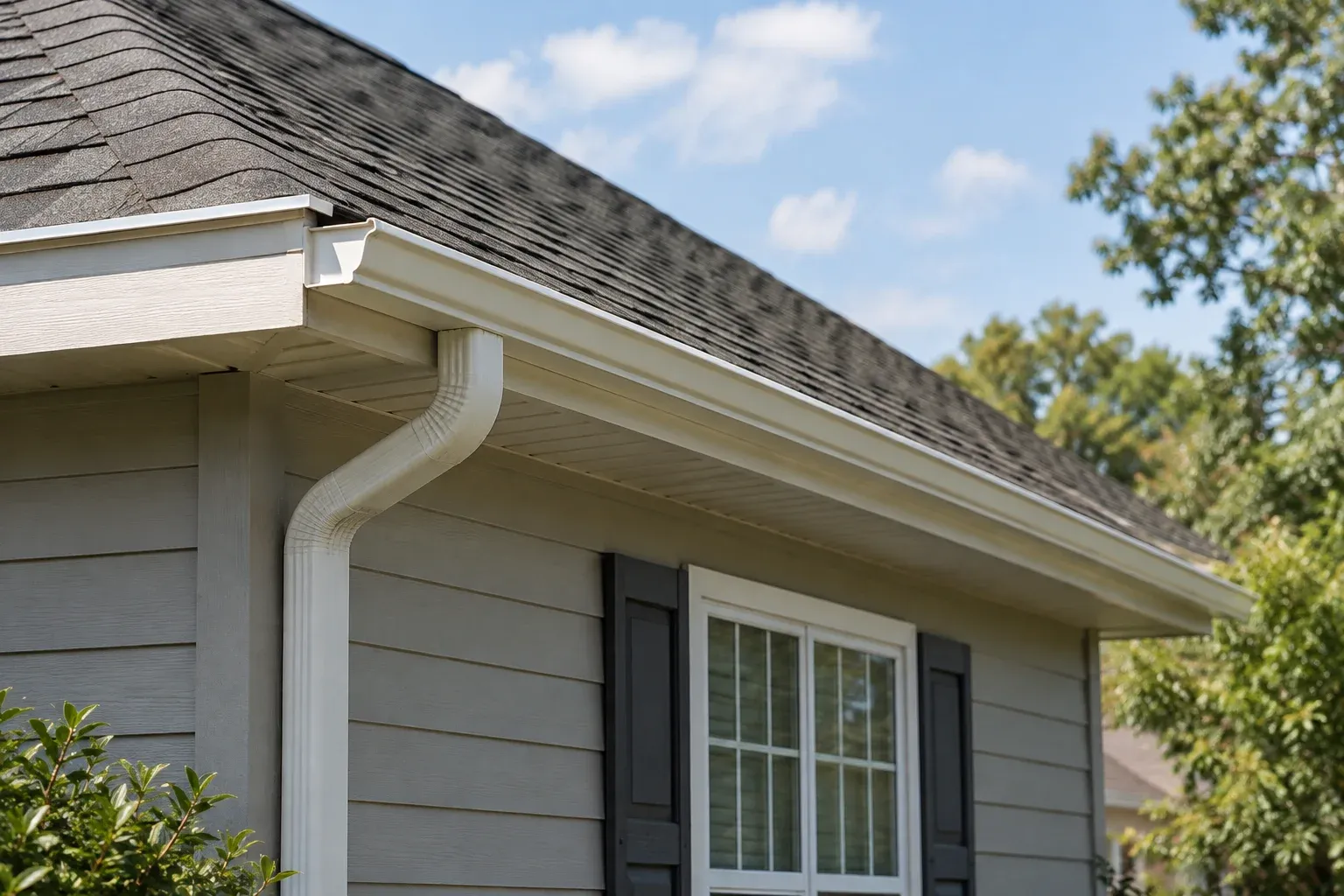
Planning gutter installation in Marshallton does not automatically mean planning a new roof. If the existing roof remains serviceable, the main question is how new gutters will connect to its edge. The fascia must provide suitable support, and runoff must leave the roof and enter the gutter rather than slip behind it. Those details deserve attention before the installation scope is settled.
For homeowners, rental-property managers and owners of small commercial buildings with pitched roofs, that distinction can prevent confusion when comparing estimates. A gutter-only project replaces the drainage components while leaving suitable roof-edge materials in place. A project with related preparation may also address damaged fascia or unsuitable flashing. Neither description, by itself, establishes that the entire roof needs replacement.
Review the eaves and fascia before choosing hardware
The eaves are the roof portions that extend beyond the exterior walls. Fascia is the vertical trim along the roof edge, where gutters commonly attach; soffit covers the underside of the overhang. Knowing those names makes the conversation more precise. A stain on the soffit, a loose gutter and a deteriorated fascia board may be connected, but they are not interchangeable repair items.
GAF's guidance on roof-edge trim explains that clogged gutters and downspouts can expose fascia and soffits to excess moisture. It also notes that deterioration can extend beyond the trim. During planning, ask for an assessment of the attachment area rather than an assumption that its painted surface proves it is sound. Metal fascia covering can conceal the wood beneath it.
From the ground, note peeling paint, uneven gutter runs, open trim joints and staining below the eaves. These are reasons to investigate, not a diagnosis of concealed rot. A professional may need closer access or removal of an old gutter to establish the condition. Avoid climbing onto the roof or pulling up shingles simply to gather information for an estimate.
- Identify the material and condition of the fascia and its underlying support.
- Ask whether gutter removal is needed to inspect concealed areas.
- Record existing staining or loose trim before work begins.
- Clarify whether fascia covering, soffit work or painting belongs in the scope.
Check how the existing flashing delivers runoff
Drip edge is metal roof flashing that helps direct water away from the roof edge and fascia. GAF's explanation of roof drip edge describes several profiles and corrosion-resistant materials, so the mere presence of a metal strip does not settle whether the connection is suitable. Its shape, condition and position relative to the proposed gutter all matter.
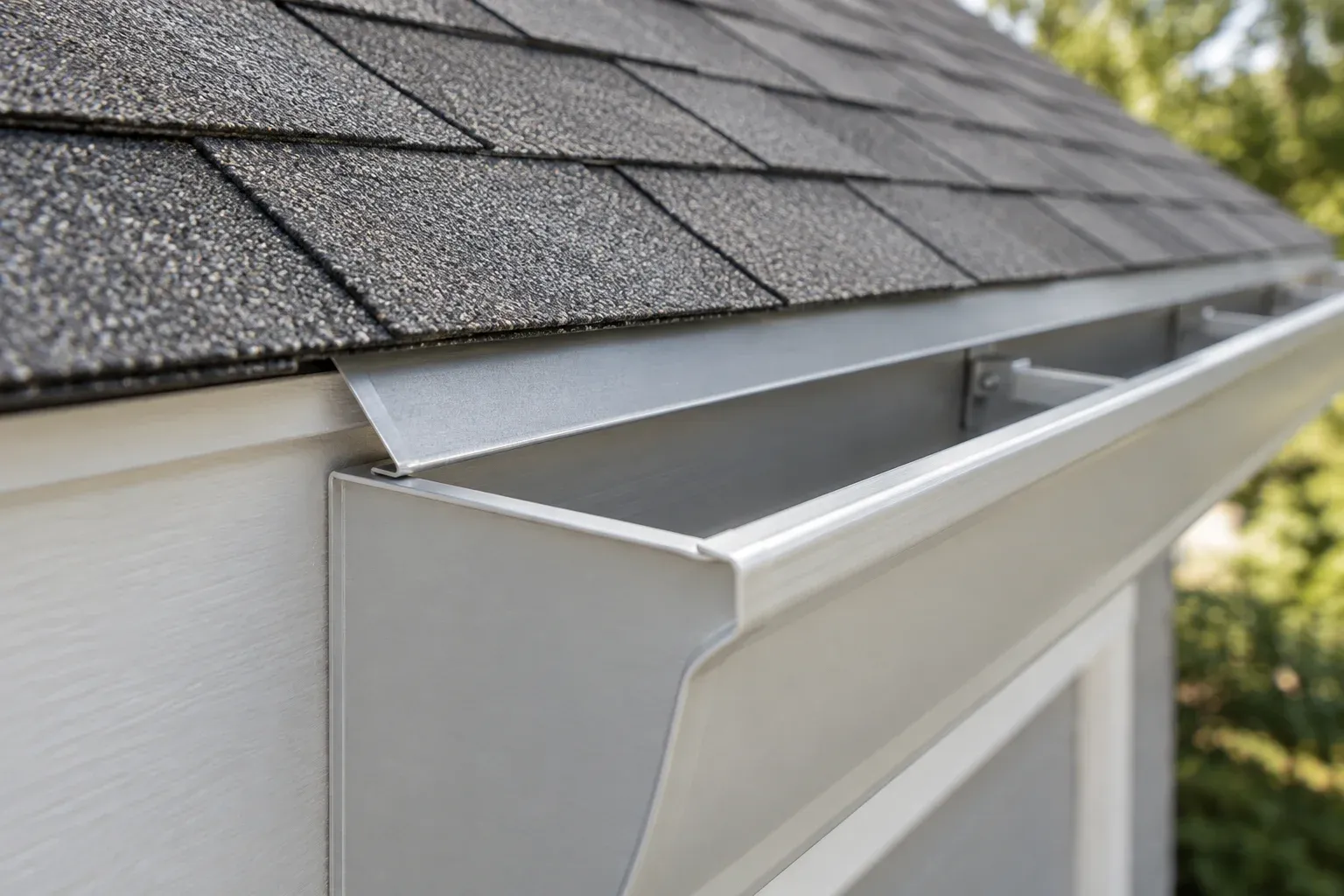
Ask the installer to explain the water path: where runoff leaves the shingles, how the flashing carries it past vulnerable edge materials, and where it enters the gutter. Water appearing behind an old gutter warrants investigation, but it does not establish a single cause. Overflow, damaged flashing or an unsuitable relationship between the flashing and gutter may require different corrections.
You may hear the term gutter apron for a flashing profile used to help direct runoff into a gutter. Ask which component is actually proposed and why it fits this roof. Do not treat every drip edge or apron as interchangeable. The applicable roofing manufacturer's instructions and the existing assembly should guide the detail, especially where work would disturb shingles or underlayment.
Separate gutter replacement from related preparation
A gutter-only scope is a reasonable possibility when the fascia and attachment areas are sound, the existing flashing is suitable, and the gutter can be positioned to receive runoff correctly. The written proposal should still describe the gutter runs, attachment approach, downspouts and discharge locations. Keeping the roof does not mean ignoring its edge; it means confirming that no related repair is needed.
Related preparation belongs in the discussion when the attachment area is deteriorated, flashing is damaged or missing, or the existing roof-edge arrangement cannot direct water properly into the new gutter. GAF's fascia repair guidance describes the relationship between fascia repairs, gutter removal and drip-edge work. That supports evaluating these components together, not assuming every installation follows the same repair sequence.
Localized preparation and full roof replacement are different decisions. If a contractor recommends broader roofing work, ask what observed condition supports it: deterioration beyond the eave, damaged roof materials or the overall roof condition. Conversely, attaching new gutters over a known weak area does not resolve that weakness. The goal is a supported drainage system without expanding the project beyond what the findings justify.
The existing shingles also affect what roof-edge work is practical. Ask whether any proposed flashing change requires lifting or removing roofing materials, how those materials will be protected, and what happens if they cannot be disturbed without damage. That conversation should happen before installation day, particularly when the project is intended to preserve an older but otherwise serviceable roof.
Put the roof-edge decisions in writing
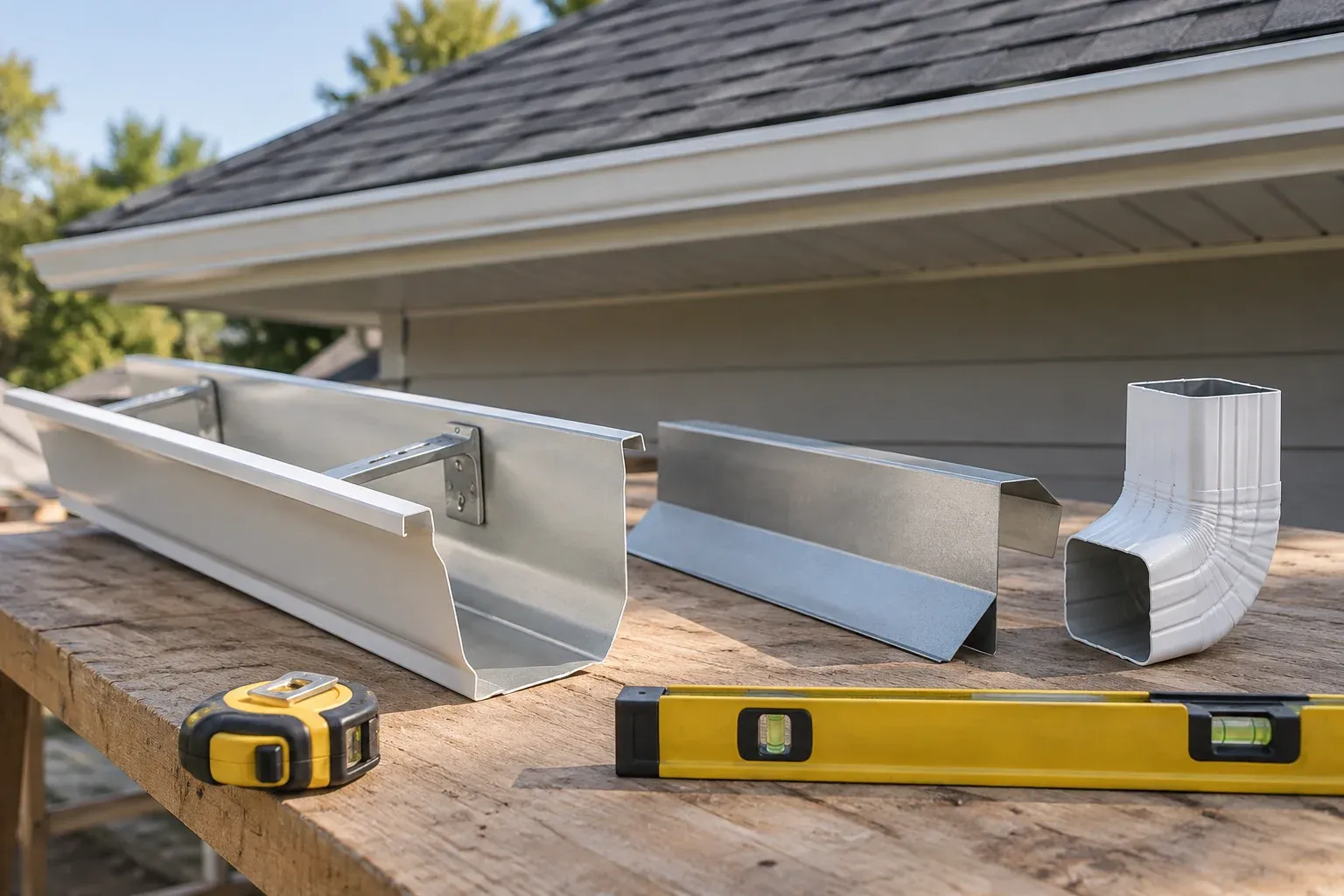
An estimate is easier to compare when it separates confirmed work from conditions that remain concealed. Ask which roof-edge components will stay, which will be removed, and whether any fascia or flashing repairs are included. If damage is discovered after removal, establish how it will be documented and how additional work will be authorized before the affected area is covered again.
Property use also belongs in the plan. A rental building may require coordination around tenant entrances; a shop or office may need clear customer access during work. Downspout discharge deserves attention around sidewalks, service doors and delivery areas. The roof-to-gutter connection is the starting point, but the drainage route must continue to a suitable destination rather than create a new problem below.
- Which fascia and flashing conditions have been confirmed?
- Does the proposal include any roof-edge repairs or trim finishing?
- Will existing shingles or underlayment need to be disturbed?
- How will concealed damage and additional work be handled?
- Where will downspouts discharge, and how will building access be maintained?
Plan new gutters around the roof you are keeping
For gutter installation in Marshallton, a useful starting point is a clear description of what is staying and what needs attention. Review EA Construction & Roofing's gutter installation information, then use the fascia, flashing and scope questions above when discussing your property. A serviceable roof can stay in place; the essential task is making sure the new gutters have sound support and receive runoff correctly.
Frequently asked questions
Does gutter installation require replacing the existing roof?
No. A serviceable roof can remain in place when its edge, flashing and gutter attachment areas are suitable. Localized fascia or flashing repairs may be needed without replacing the whole roof.
Should existing drip-edge flashing be replaced with new gutters?
Not automatically. Its condition, profile and relationship to the new gutter need evaluation. Flashing that is sound and directs runoff correctly may stay; damaged or unsuitable flashing may require related roof-edge work.
What should a gutter installation estimate say about hidden fascia damage?
It should explain what preparation is included, what conditions may only become visible after removal, and how additional repairs will be documented and authorized. Ask whether trim removal, replacement materials and finish work are included.