
Hidden Deck Damage During Roof Replacements in Thorndale: What to Discuss Before Tear-Off
Prepare for hidden roof-deck damage with practical questions about allowances, photos, added costs, and approvals before tear-off in Thorndale.
Plan for What Tear-Off May Reveal
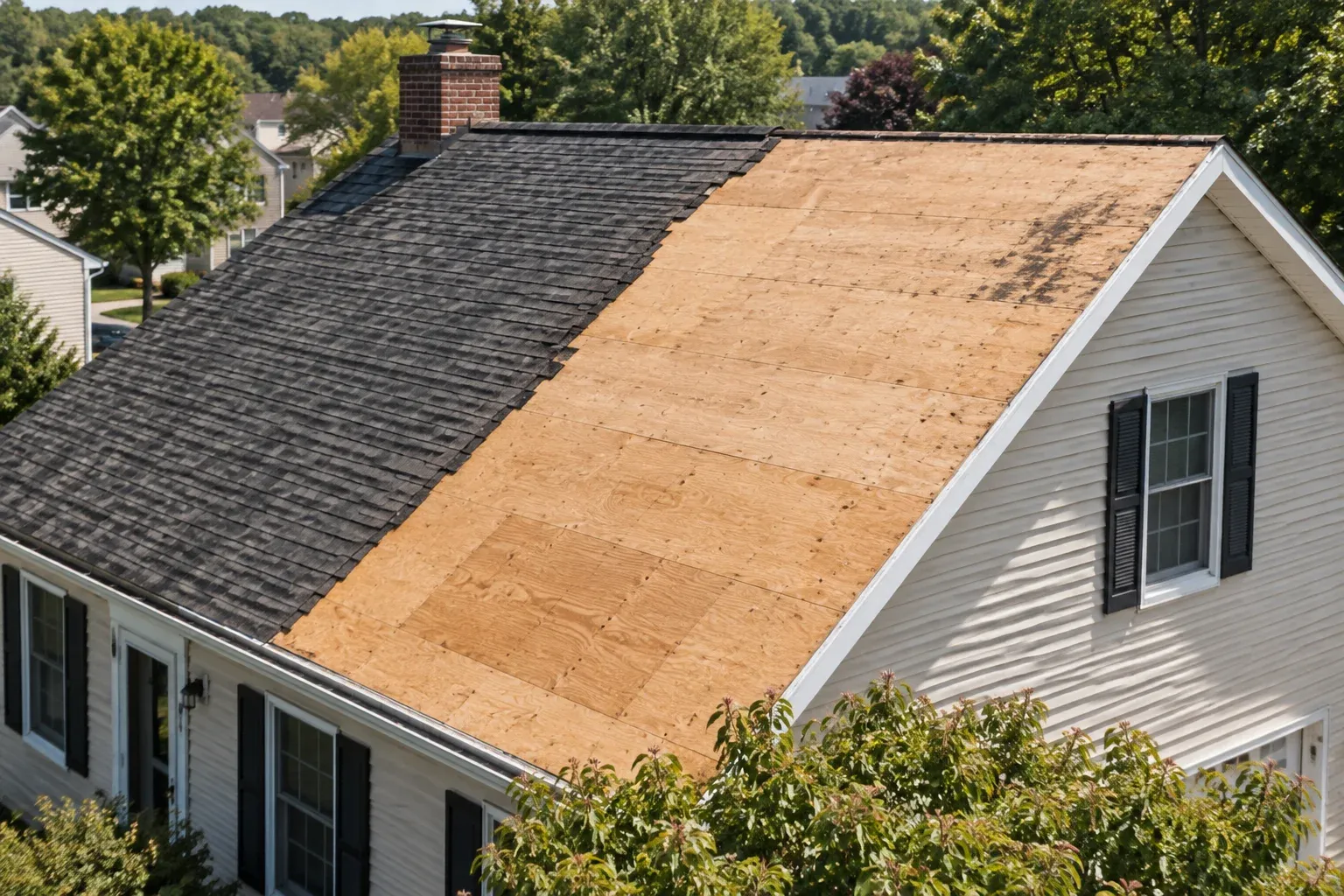
Roof replacements in Thorndale can reveal an issue that was difficult to judge during the initial estimate: damaged wood beneath the old roofing. Shingles and underlayment hide the upper surface of the roof deck, so removing them may expose deterioration that changes the work required. Before tear-off begins, it helps to agree on how newly exposed conditions will be documented, priced, and approved.
For homeowners, rental-property owners, and managers of small commercial buildings with asphalt-shingle roofs, the goal is the same: avoid making important decisions without enough information while the roof is open. The following questions are general planning guidance, not a description of EA Construction & Roofing’s procedures. They can help you discuss roof replacements in Thorndale with a clearer understanding of what belongs in the proposal.
Why Hidden Deck Damage Changes the Scope
The roof deck, also called sheathing, is the surface supported by the roof framing beneath the roofing layers. On many pitched residential roofs, it consists of plywood, oriented strand board, or wood boards. It provides a base for the roofing assembly and its fasteners. GAF’s explanation of roof decking notes that damaged decking may not securely hold shingle nails, making its condition more than a cosmetic concern.
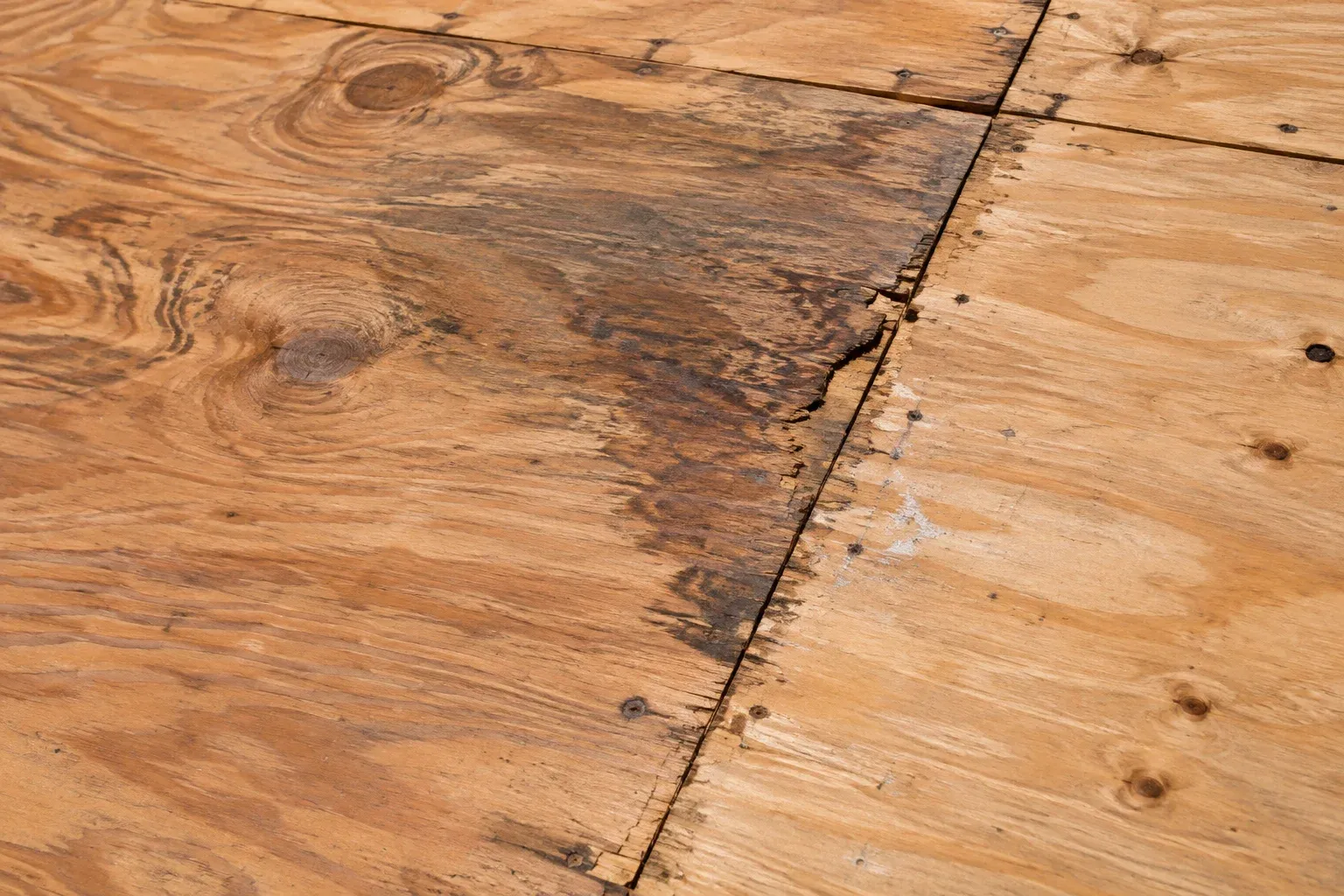
An exterior assessment or accessible attic inspection can provide clues, but neither necessarily reveals every problem on the deck’s upper face. Once roofing is removed, a contractor may find softened wood, separated plywood layers, swollen panel edges, cracks, or deterioration around a previous leak. GAF’s shingle installation guide places inspection of the exposed deck during preparation and tear-off, before the new roofing layers are installed.
Make the Decking Allowance Understandable
Start by asking what the base proposal includes. Does it assume the existing deck is suitable, include a defined amount of replacement, or list decking entirely as additional work? An allowance can mean different things in different proposals. It might represent work already included in the contract or a provisional budget for an uncertain quantity. Ask the contractor to explain that distinction in writing rather than relying on the word alone.
Next, clarify how replacement quantities will be measured. Panels, square footage, and individual boards are not interchangeable billing units. If a panel must be cut to reach suitable support, ask how that affects the measured quantity. Also ask what happens if less replacement is needed than anticipated. These details help you compare proposals without mistaking a larger allowance for a higher overall cost or a smaller allowance for a better value.
The pricing description should identify what the decking work covers, including material, removal, labor, fastening, and disposal. Ask whether difficult access or unusual repairs are treated separately. You do not need to predict every possible condition, but you should understand the pricing method before work starts. A separate contingency in your own budget can help you prepare for uncertainty without treating unconfirmed damage as an established project expense.
- What decking work is included in the base scope?
- How will additional quantities be measured and priced?
- What happens to an unused allowance?
- Which related repairs require a separate proposal?
Request Photos That Explain the Proposed Repair
Ask for photographs of newly exposed concerns before they are covered, along with a short explanation of what each image shows. A useful set includes a wider view that identifies the roof area and closer views of the affected material. For example, a close-up of a panel edge is easier to understand when an overview establishes whether it sits near an eave, a valley, or a roof penetration.
Photos support the conversation, but they do not replace an on-site assessment. Dark staining alone does not establish the amount of replacement needed, and a photograph cannot reliably demonstrate wood strength. Ask what condition makes the material unsuitable, where the proposed repair begins and ends, and whether surrounding decking remains serviceable. Homeowners and building managers can review this information remotely; there is no need to climb onto the roof to verify it.
Agree on Additional-Work Approval Before Installation
Decide who can approve additional work and how that approval will be recorded before tear-off. For a rental property or business premises, the person receiving site updates may not have spending authority. Identify the decision-maker, a backup contact, and the preferred communication method. Ask for a written change description that connects the documented condition to the repair quantity, pricing basis, and any effect on the schedule.
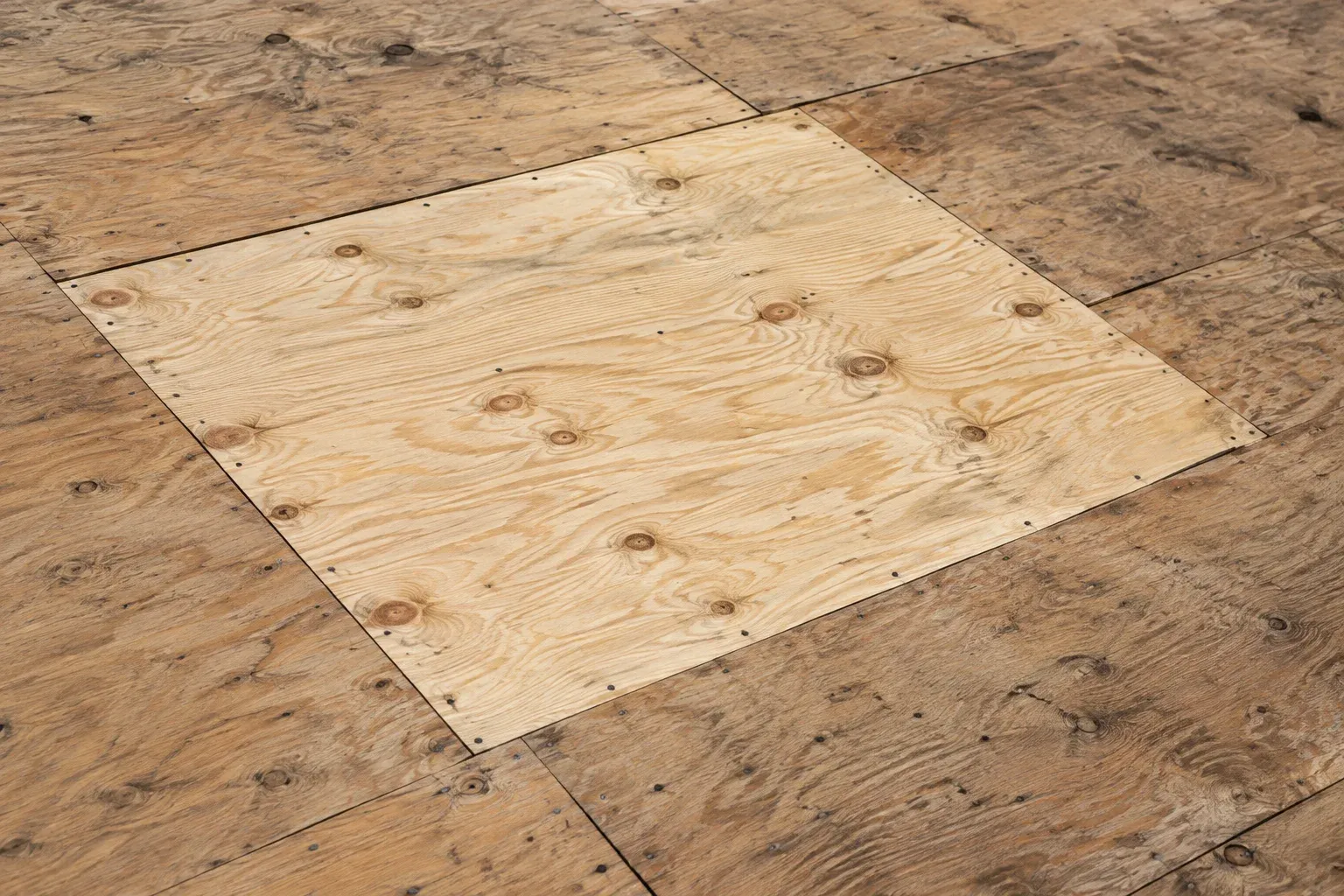
The FTC’s guidance on written estimates recommends documenting the work description, materials, completion date, and price. Apply that same clarity when discussing a change to the original scope. Ask whether any work is already authorized within the agreed allowance and what requires further approval. Request photos of the completed deck repair before covering it, so the record includes both the reason for the change and the work performed.
Separate Deck Repairs From Broader Problems
Replacing sheathing is different from repairing the framing beneath it. If newly exposed conditions involve rafters, trusses, or other supporting components, ask for a separate explanation rather than assuming a decking unit price covers everything. The contractor may need further assessment before defining that work. Also ask whether the apparent source of moisture needs attention, such as a flashing problem or an attic moisture issue.
An approval process also needs to account for weather exposure. Before removal begins, discuss how the contractor plans to protect the building if a decision, material delivery, or further assessment delays progress. Clarify any preauthorized temporary protection and how you will receive updates. This is especially useful when occupied rental units or business operations depend on keeping interior spaces protected while the repair scope is being resolved.
Start With a Clear Decking Conversation
For roof replacements in Thorndale, the most useful preparation is a clear agreement about uncertainty—not an assumption that hidden damage will or will not exist. Bring these questions to your conversation with EA Construction & Roofing: what decking is included, what evidence you will receive, how added work is priced, and who approves it. Those details make newly exposed conditions easier to evaluate and keep the replacement discussion grounded in the actual condition of your Thorndale roof.
Frequently asked questions
Does a roof replacement always require new decking?
No. Existing decking may remain when its condition and suitability support the planned roofing system. Tear-off gives the contractor a clearer view of the surface, so the final repair scope may differ from the preliminary assessment.
What should a decking allowance include?
Ask whether the allowance represents included work or a budget estimate, how quantities are measured, and what the price covers. Clarify materials, removal, labor, fastening, disposal, unused allowances, and approval for work beyond the allowance.
How can I review hidden damage without going onto the roof?
Request an overview photo, close-ups of the affected wood, and a written explanation identifying the location and proposed repair. Ask for the measured quantity and pricing before approving added work, then request a photo of the completed repair before it is covered.