
Leak Detection in Unionville: Tracking a Roof Leak That Comes and Goes
An intermittent roof leak can leave clues far from its entry point. Learn what to photograph and record before arranging leak detection in Unionville.
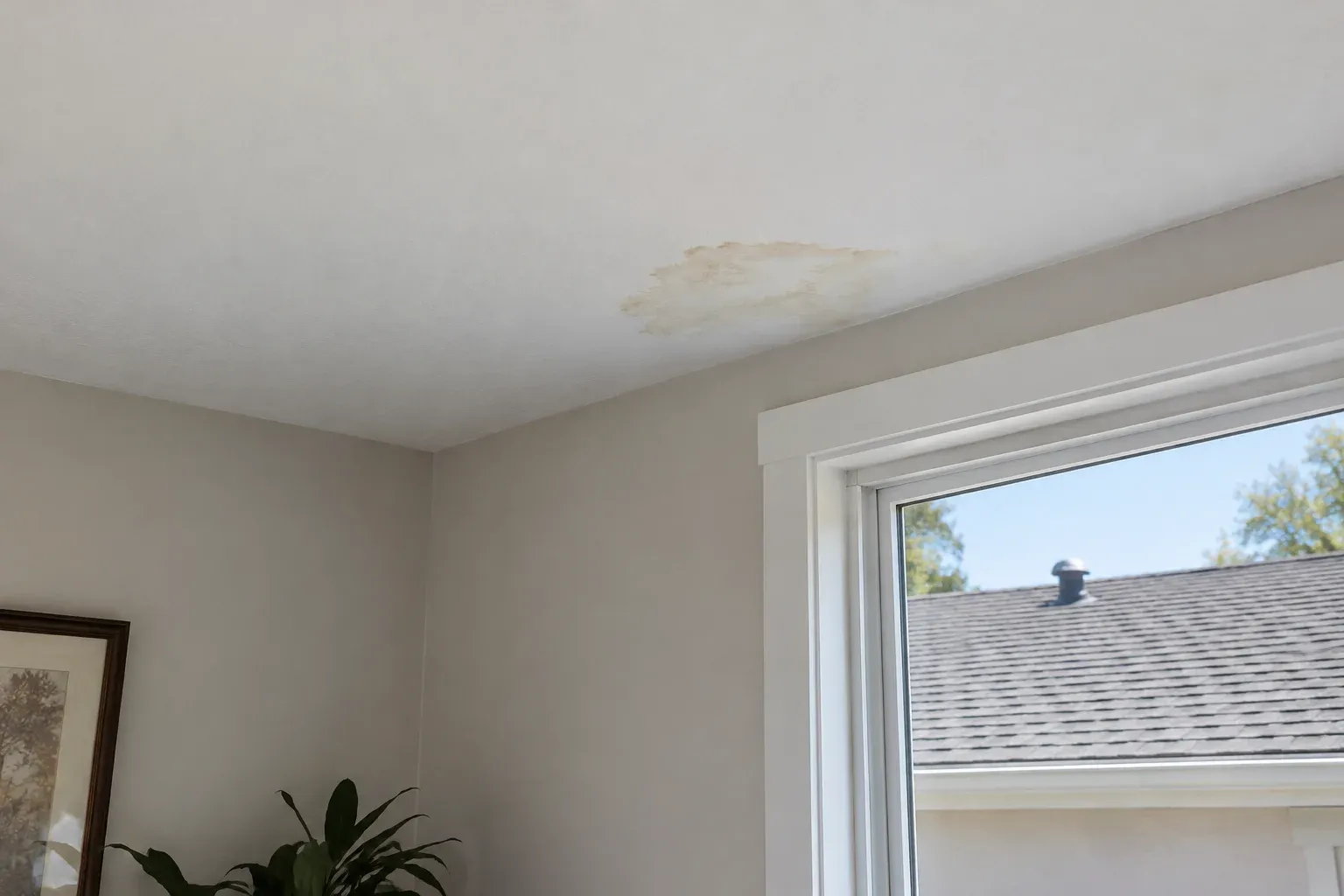
When the stain comes and goes
Leak detection in Unionville can be frustrating when a ceiling stain changes after one storm but stays untouched through the next. You may notice a darker patch, a few drops, or a mark that seems to disappear as the ceiling dries. That uneven pattern does not tell you where water entered or whether the problem has stopped. It does, however, give you useful information to record before arranging professional help.
For homeowners, the most useful first step is to document what happens rather than guess at a repair. A clear account of when the mark changes, what rain came before it, and whether other areas show similar symptoms can help frame the investigation. The same approach is useful for rental-property managers and people responsible for shops or offices, where different occupants may notice changes at different times.
Why the indoor mark may not match the roof entry point
A ceiling stain shows where moisture became visible, not necessarily where it entered the roof. Water can move along the underside of roof decking, follow framing, or collect in concealed materials before reaching drywall. Depending on the construction, the indoor mark may be some distance from the original entry point. A stain beneath a chimney or roof valley is therefore a clue to share, not confirmation that the feature directly above it is responsible.
Absorbent materials can also delay the visible response. Insulation or wood may hold moisture before enough reaches the ceiling to darken the finish or drip. Afterward, drying can make the stain look lighter without removing the underlying cause. Old discoloration may remain even when the surface is dry. These differences are one reason leak detection involves more than matching an indoor spot to a single outdoor roof feature.
Keep the source open to investigation. Plumbing, condensation, and other moisture sources can also leave ceiling marks. A connection with rainfall is useful evidence, but it is not a diagnosis by itself.
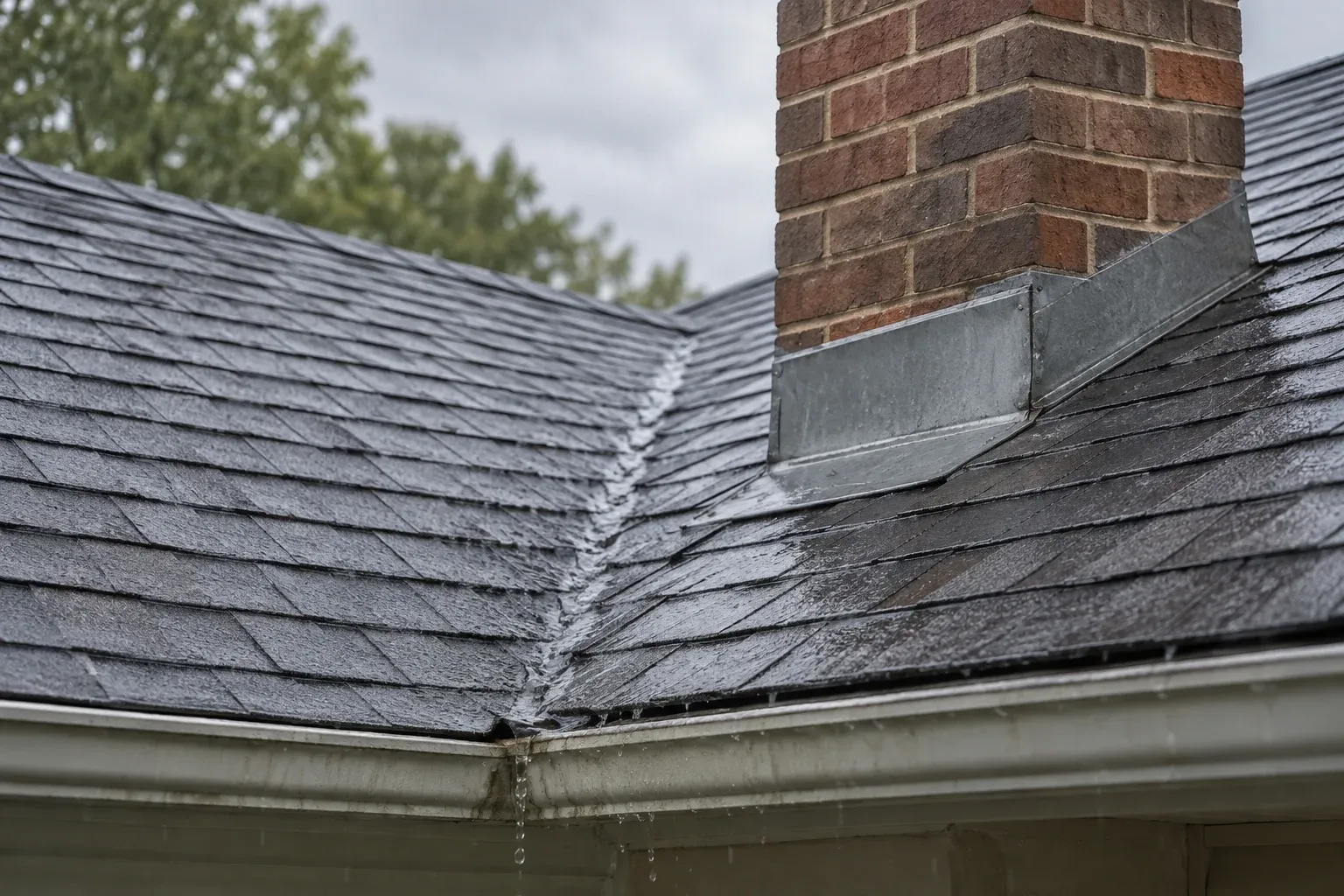
Record when the stain changes
Start with a dated photograph taken from a safe position on the floor. Include enough of the room to identify the mark relative to a doorway, corner, or window. Then take a closer photograph if you can do so without climbing. When the stain changes, repeat those views under similar lighting. Differences in shadows or camera exposure can make a mark appear darker, so consistent photographs are more useful than unrelated close-ups.
Note when you first saw the change and when you last knew the area looked unchanged. If you discovered it the morning after rain, write that rather than assuming it began overnight. Record whether the mark grew, developed a darker edge, or began dripping. Separate what you observed from what you suspect: “noticed at 8 a.m.” is a firmer observation than “started when the storm arrived.”
Describe which storms precede the problem
Describe the rain that preceded each change in everyday terms. Was it a short, heavy shower or several hours of steady rain? Was there noticeable wind? Did the stain appear during the rain, shortly afterward, or only later? You do not need specialized weather measurements. Straightforward notes can reveal a pattern without turning a homeowner's observations into a technical explanation of the cause.
Record storms that do not produce a visible change, too. A mark that darkens after prolonged rain but stays unchanged after a brief shower presents a different history from one that appears only during wind-driven rain. Neither pattern proves a specific defect. It simply gives the person evaluating the roof more context. If wind direction is uncertain, say so; avoid inferring it from the stain's position inside the building.
- Date and approximate duration of the rain.
- Whether rain seemed light, steady, or heavy.
- Noticeable wind, if observed.
- When the indoor mark changed relative to the rain.
- Whether comparable rain left the mark unchanged.
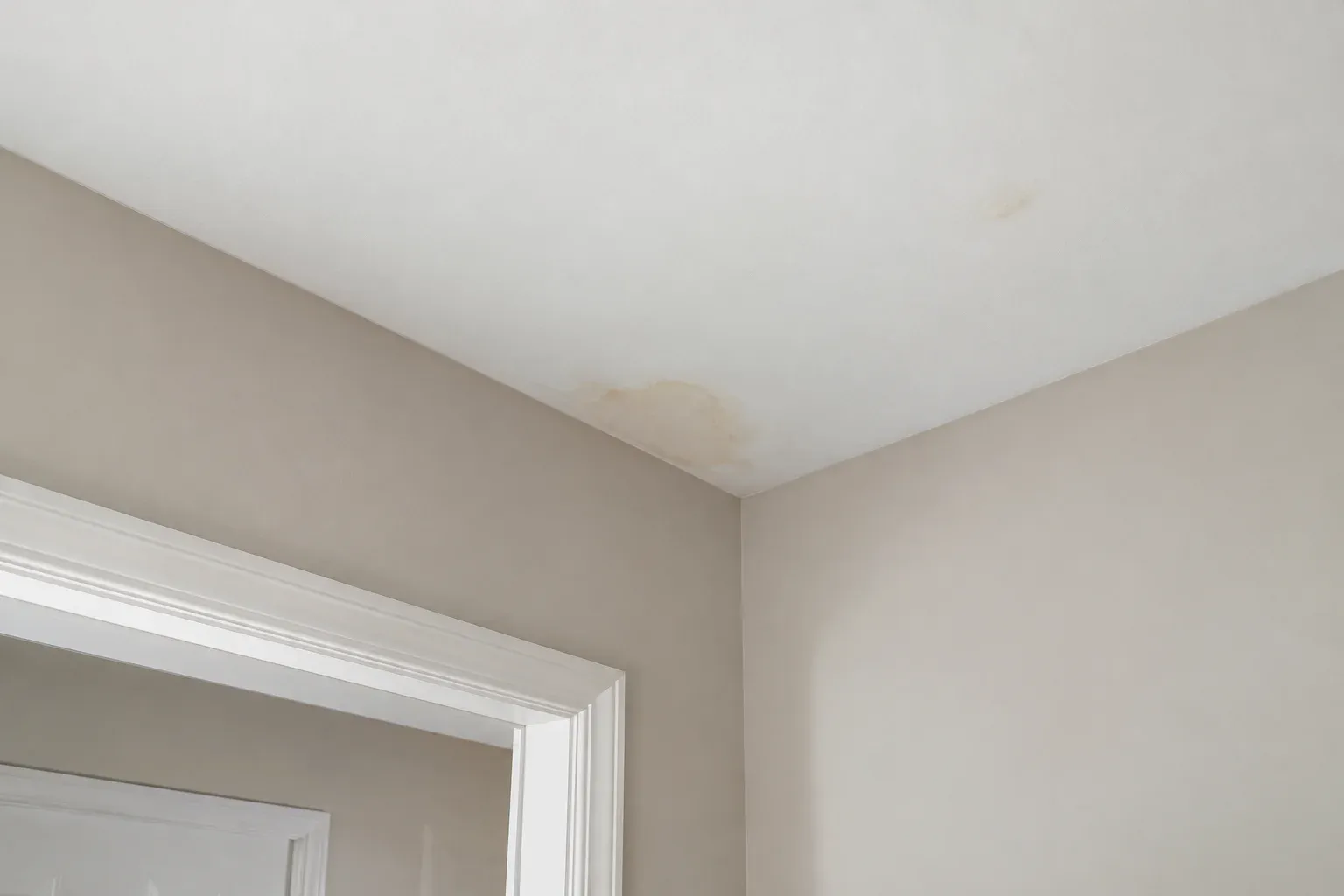
Check whether nearby areas show similar marks
Look at nearby ceilings and upper walls from normal, accessible areas. A faint second mark in the hallway or an adjacent room may be worth documenting even if it seems unrelated. Identify each location clearly rather than grouping everything under “upstairs leak.” For example, describe one mark as above the bedroom window and another as beside the hallway doorway. This makes it easier to understand the layout from your notes.
Keep the history of each mark separate. Two stains that change after the same rain may deserve consideration together, but that does not establish a shared source. Conversely, an old mark that never changes should not be described as newly active. In a rental, shop, or office, ask occupants when they noticed each symptom and preserve those accounts separately when the timing differs.
Build a useful record without taking risks
A simple log is enough: date, room, visible change, preceding rain, and photograph filename. Add relevant history you actually know, such as when the stain first appeared or whether work occurred in that area before you noticed it. If the timing is approximate, label it that way. Do not fill gaps with guesses about damaged shingles, flashing, or other roof components you have not had evaluated.
Documentation should not require getting onto the roof, leaning out a window, opening the ceiling, or entering an attic without safe access. Avoid touching wet electrical fixtures or standing beneath bulging or sagging ceiling material. If water is near electrical equipment, the ceiling changes shape, or dripping increases rapidly, keep people away from the affected area and seek prompt professional assistance rather than continuing to collect photographs.
Arranging leak detection in Unionville
When arranging leak detection, share a short summary first: where the symptom appears, how long you have noticed it, and what conditions seem associated with changes. Offer the dated photographs and log as supporting detail. Mention any current dripping or safety concern at the outset. These observations can help communicate the problem, although they cannot guarantee that the source will be identified from photographs or during a particular visit.
For leak detection in Unionville, a useful starting point is a clear record rather than a guessed repair. Note changes, include storms that produce no change, and describe nearby marks separately. To discuss the issue with EA Construction & Roofing, contact the business with that information. Keeping observations distinct from assumptions helps you explain an intermittent problem even when the ceiling happens to look dry.
Frequently asked questions
Why does a suspected roof leak appear during some storms but not others?
Rain duration, intensity, and wind direction can change how water reaches a vulnerable roof detail. Materials may also absorb moisture before it becomes visible indoors. Record the conditions associated with each change, but do not treat that pattern as proof of a particular defect.
Does the ceiling stain show exactly where water entered the roof?
Not necessarily. Water can travel along framing, roof decking, or other concealed surfaces before reaching the ceiling. The stain identifies a visible symptom, not necessarily the roof entry point.
Should I wait for the stain to become wet again before arranging leak detection?
You can arrange leak detection while the stain is dry. Dated photographs and notes about previous changes can provide useful context. If the ceiling is sagging, water is near electrical fixtures, or dripping is increasing, keep people away from the affected area and seek prompt professional help.