
Roof Inspections in West Chester: What a Useful Report Should Show
Learn how to evaluate roof inspection photos, findings, limitations, and recommendations—and keep a useful record for future comparisons.
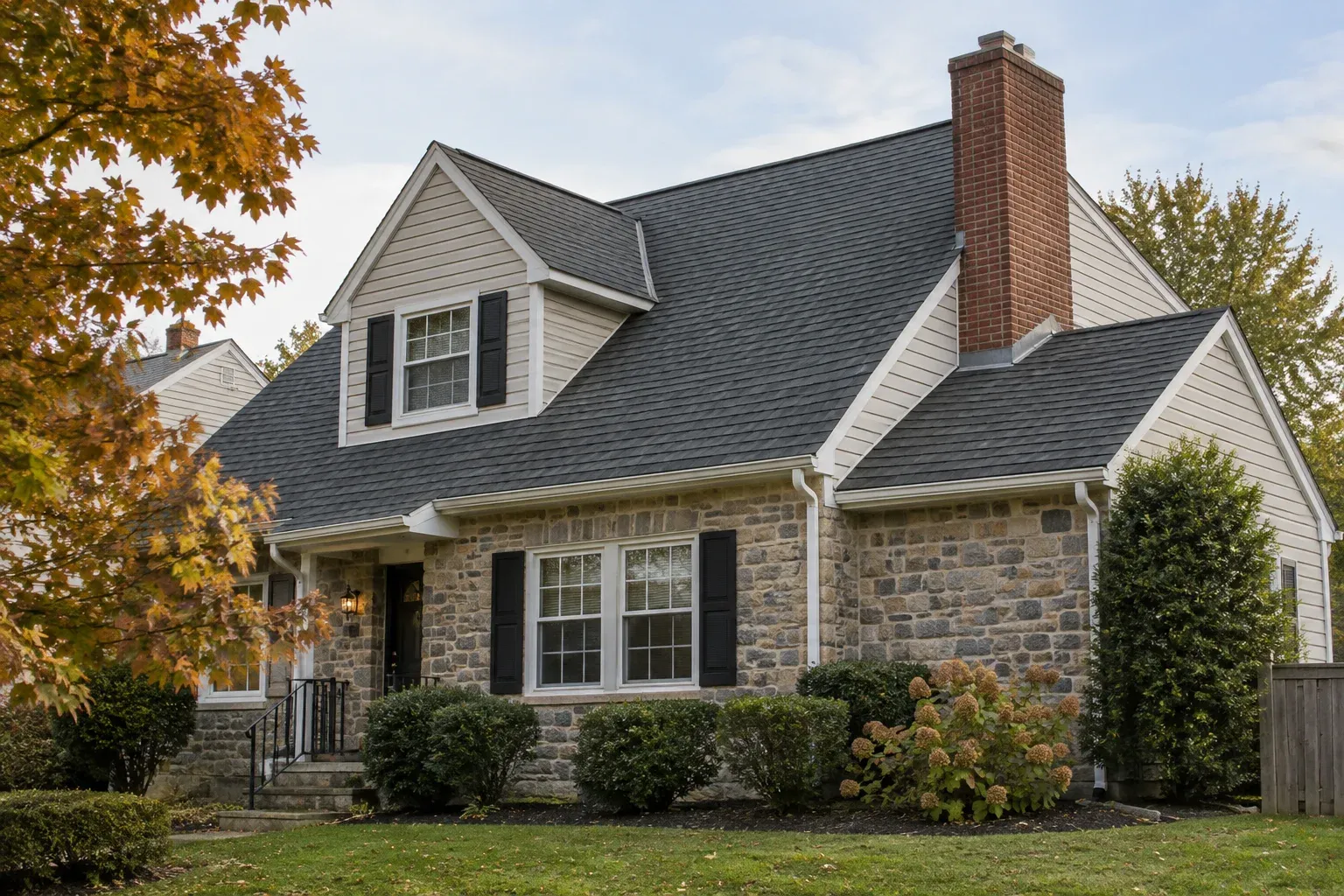
Start with a record you can understand
Roof inspections in West Chester are most useful when the findings help you make a decision, not simply tell you that a roof looks good or needs attention. A useful report connects each concern to a location, an observed condition, and a reasonable next step. For homeowners, that can make maintenance planning less confusing. For rental-property owners and small-business property managers, it can also create a record that remains understandable when a different person handles the next inspection.
When evaluating roof inspections, look for documentation you can follow without having stood beside the inspector. You should be able to tell what was examined, what could not be examined, and why a recommendation was made. The criteria below are general guidance for reviewing findings, not a description of EA Construction & Roofing’s inspection procedures. A report’s usefulness comes from its clarity and evidence, rather than its length or the number of photos attached.
Photos should locate the issue, not just display it
A close-up of damaged roofing is hard to act on if nobody can tell where it belongs. Useful photo sets pair a wider view with a detail image and a location description. For example, “rear roof slope, beside the chimney” is more actionable than “flashing issue.” A consistent orientation system, such as front and rear or compass directions, helps distinguish similar roof planes. A simple roof sketch can also connect numbered findings to the right areas.
Photos should show enough context to explain the concern without hiding the detail. A chimney overview might establish the location, while a closer image shows an open joint or displaced piece of flashing. Ask for clarification when shadows, glare, distance, or low resolution make the reported condition difficult to see. Images can support a finding, but they do not automatically establish what lies beneath the roof covering or prove how a condition developed.
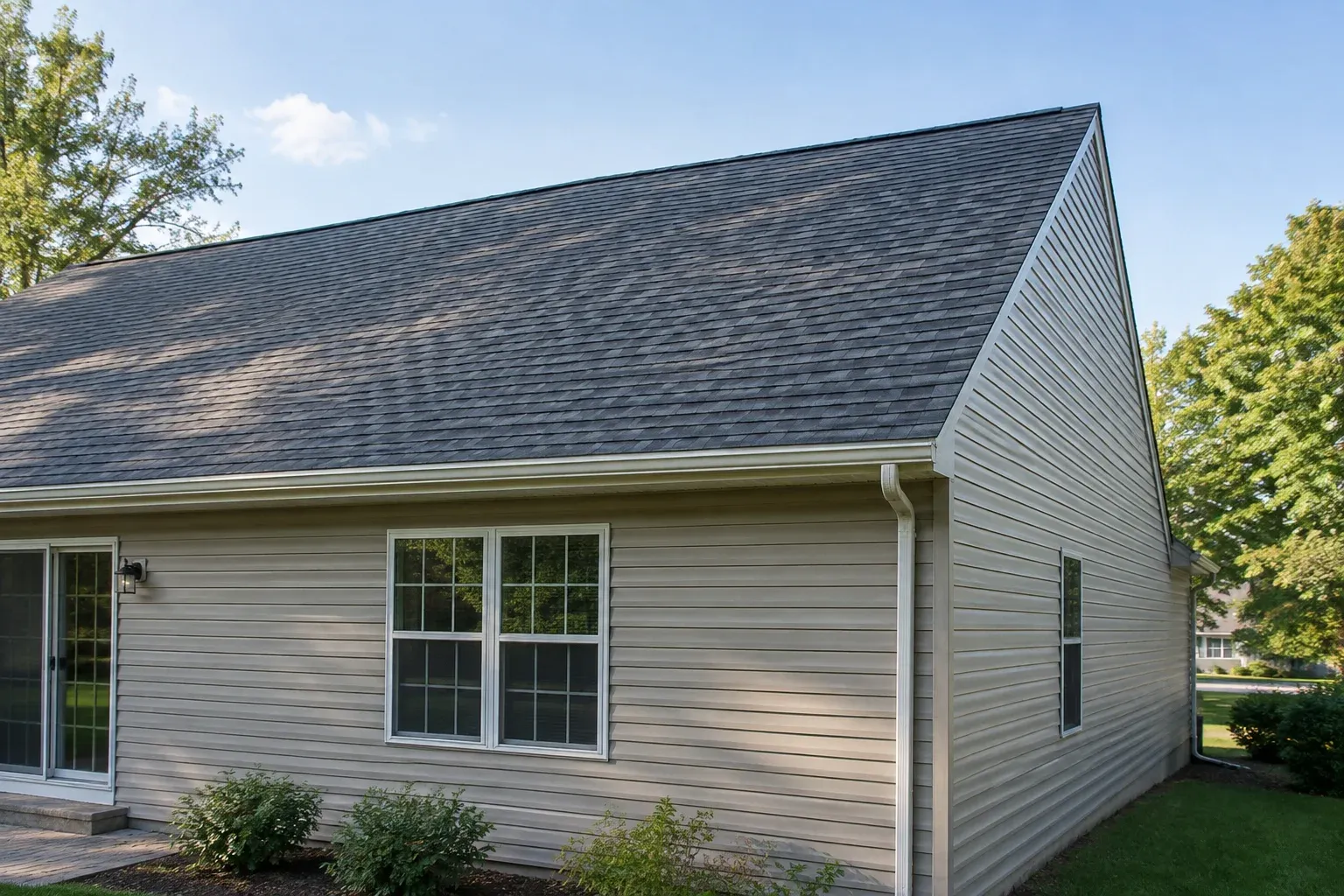
Separate observations from explanations
The strongest descriptions separate what someone observed from what they think it means. “One shingle tab is missing on the rear slope” describes a visible condition. “Wind may have contributed” offers a possible explanation. Those statements carry different levels of certainty. A useful report avoids turning a possibility into a confirmed cause unless supporting evidence is available. The same distinction matters when discussing stains, worn surfaces, loose components, or signs of previous repair.
Interior staining needs similar care. A ceiling mark is worth documenting, but its appearance alone may not establish whether moisture is current, where it entered, or whether the roof is responsible. Dates, reported symptoms, and any related exterior observations help frame the finding. If the source remains uncertain, a recommendation for further leak detection is clearer than a definite repair prescription based only on the stain. You should know which questions remain unanswered.
Read the limitations alongside the findings
Inspection limitations are part of a useful report, not a reason to dismiss it. Roof height, pitch, weather, surface conditions, and access can affect what can be safely assessed. The report should explain the viewing method and identify areas that were not visible or accessible. Observations made from the ground, from remote images, or through direct access may reveal different details. Knowing the method helps you understand the strength and boundaries of the findings.
Look for specific limits rather than a blanket statement that some things might have been missed. Was an attic unavailable? Did an obstruction hide a roof section? Were concealed layers outside the inspection scope? “No visible concern in the accessible area” is different from saying the entire assembly is sound. If an inaccessible area relates to a reported leak or another concern, ask what additional evaluation could address it. Do not climb onto the roof to fill documentation gaps yourself.
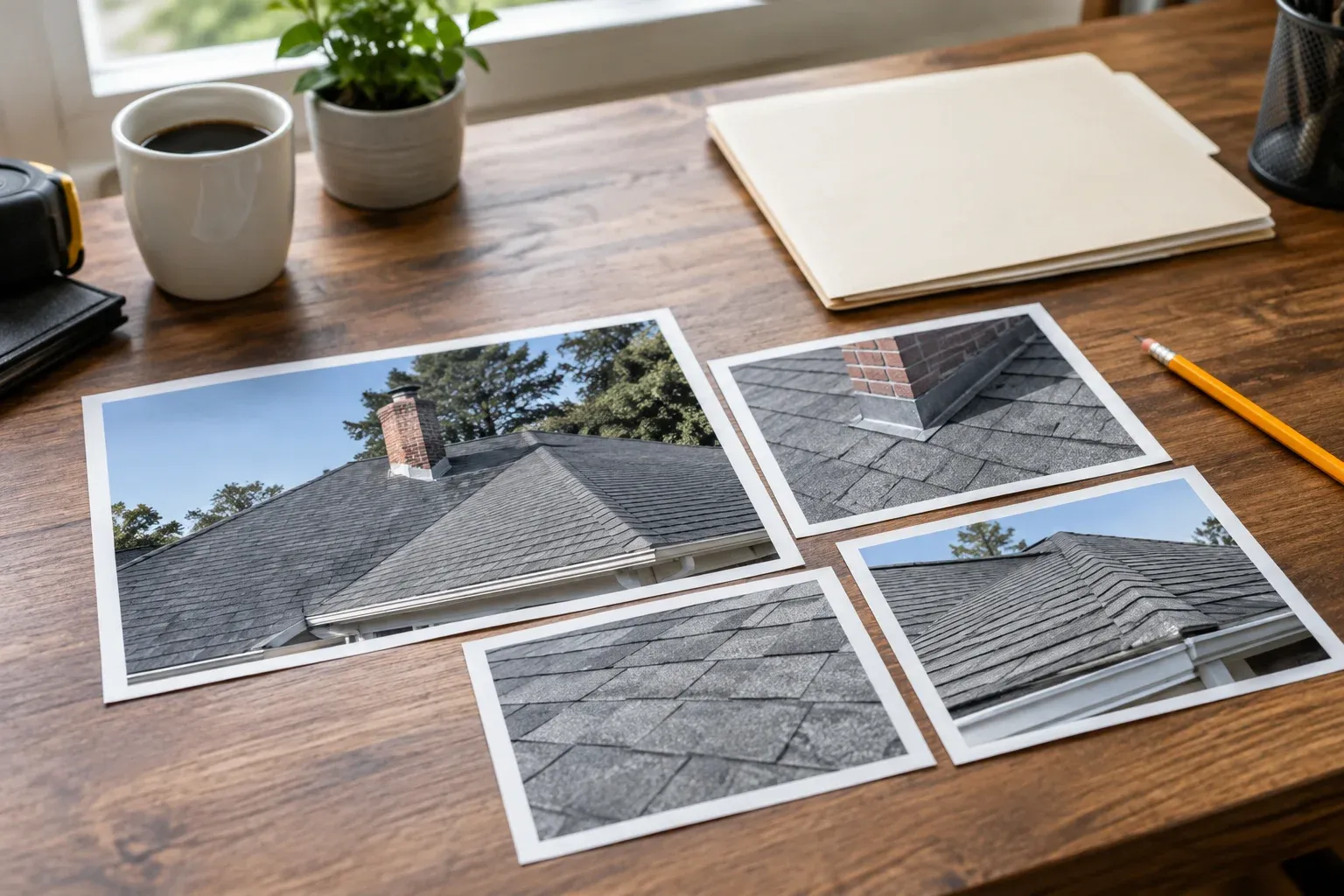
Make recommendations traceable to evidence
A documented issue and an item to monitor should not receive identical recommendations. A visible opening at a weather-exposed junction may warrant corrective attention, while minor surface weathering without a documented opening may call for comparison over time. These are examples, not diagnoses for your roof. The report should explain why an item belongs in its assigned category and what evidence supports the proposed urgency. A priority label alone leaves too much interpretation to the reader.
Monitoring also needs a plan. Ask what change would matter, how it should be documented, and when reassessment would be appropriate. For a repair recommendation, ask which component needs attention and whether further investigation is necessary before the scope can be defined. A report and a repair estimate serve different purposes: one records findings, while the other describes proposed work. Their descriptions should align so you can trace the suggested work back to the condition being addressed.
- Corrective attention: a documented condition with a stated reason for action.
- Further evaluation: an unresolved question that affects the next decision.
- Monitoring: a recorded condition with a clear reassessment trigger.
Keep the report as a comparison baseline
A useful inspection report can become a baseline even when no immediate work is recommended. Keep the inspection date, photographs, location descriptions, and limitations together. Save original image files when available; cropped screenshots may remove helpful context. Include records of later repairs so a future reader can distinguish an existing condition from a change made afterward. For a rental home or retail property, storing these records centrally helps avoid losing context during a management handover.
Future comparisons work best when images use similar viewpoints and refer to the same landmarks. A closer photo taken under different lighting can make an unchanged surface appear different, so compare context as well as detail. Note relevant events, such as a new interior moisture symptom or work near a roof penetration, without assuming they caused damage. The goal is a dated history that supports questions about change, not a collection of images that encourages unsupported conclusions.
Use clear findings to guide your next conversation
Before acting on a report, ask whether every proposed next step has a clear basis. Which photo supports the finding? What remains uncertain? Does the recommendation address the observed condition, or does it require more investigation first? If replacement is suggested, the reasoning should go beyond an isolated close-up. Request an explanation of the broader conditions supporting that recommendation. Clear answers help you discuss scope without treating every noted imperfection as an equally urgent problem.
For roof inspections in West Chester, the most useful outcome is a record you can understand today and revisit later. Located photos, precise observations, honest limitations, and evidence-based recommendations make that possible. If you are contacting EA Construction & Roofing about an inspection, use these criteria to discuss the documentation you need and confirm the available scope before scheduling. You can contact EA Construction & Roofing with your questions and explain any symptoms or property records that may help frame the conversation.
Frequently asked questions
Does a roof inspection report need a photo of every shingle?
No. Useful documentation combines overview photos with focused images of reported findings. The important test is whether you can locate each condition, understand what was observed, and identify any areas that were not assessed.
Does an item marked for monitoring mean the roof needs repair now?
Not necessarily. Monitoring should describe a specific condition, explain why immediate work is not being recommended, and identify what change would justify reassessment. If the report gives no reason or follow-up trigger, ask for clarification.
Can a roof inspection rule out every possible leak?
No. A visual inspection records conditions visible within its scope and access limits. Concealed assemblies and intermittent leaks may require further investigation. A useful report explains those limits rather than treating an absence of visible evidence as proof that no problem exists.