
Storm-Damage Roof Repair in Kennett Square: What the Repair Scope Should Explain
Understand what a proposed storm-damage roof repair scope should explain before you approve work on your Kennett Square property.
Start with a scope you can follow
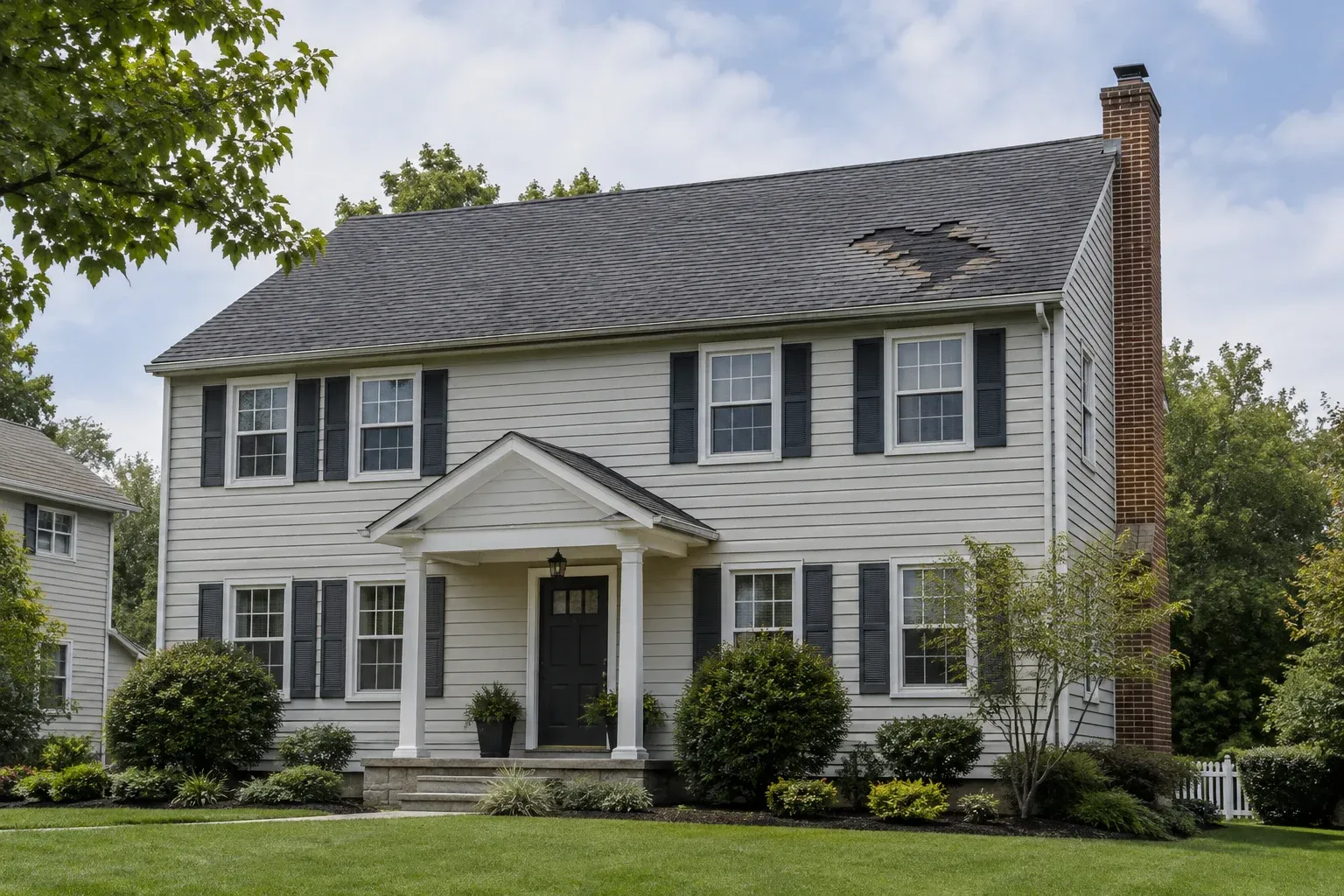
Storm damage repair in Kennett Square should begin with a clear understanding of what the proposed roofing work includes. After seeing missing shingles or a new ceiling stain, it is natural to want the problem fixed quickly. Before approving the work, though, make sure the written scope connects the observed damage to specific repairs rather than simply promising to “repair the roof.”
For homeowners, the goal is not to become a roofing expert. It is to understand where work will happen, which materials will be replaced and what questions remain unanswered. The same approach helps owners of rental houses and small offices with residential-style shingle roofs. A useful scope separates known damage, planned work and conditions that may only become visible once the roof is opened.
Locate the damage, not just the roof slope
A description such as “repair storm damage on rear roof” leaves plenty of room for uncertainty. Look for recognizable reference points: the slope facing the backyard, the area beside a chimney, or several shingle courses above an eave. Inspection photographs can make those descriptions easier to follow. Ask the roofer to distinguish observed damage from areas that still need closer assessment.
The explanation should also describe the condition being addressed, whether that is missing shingles, torn material or displaced flashing. GAF’s overview of roof storm damage identifies shingles and flashing among the components storms can affect. You can review photographs and discuss findings without climbing onto the roof yourself; leave close roof access and material assessment to a qualified roofing professional.
Understand the repair boundaries
The damaged area and the working area are not always identical. Replacing one section may require lifting or removing neighboring shingles to reach fasteners and restore the overlapping courses. A clear scope explains where removal starts and stops, along with how the new material connects to the roof that remains. That boundary matters more than a vague reference to a small patch.
Ask what happens if adjoining shingles are too brittle or become damaged during removal. Their condition may affect how neatly a localized repair can be completed. The proposal should explain the intended limits and acknowledge any uncertainty rather than suggest that every boundary is settled before work begins. You should be able to identify both the planned repair area and the surrounding roof that will remain.
Specify materials beyond the visible shingles
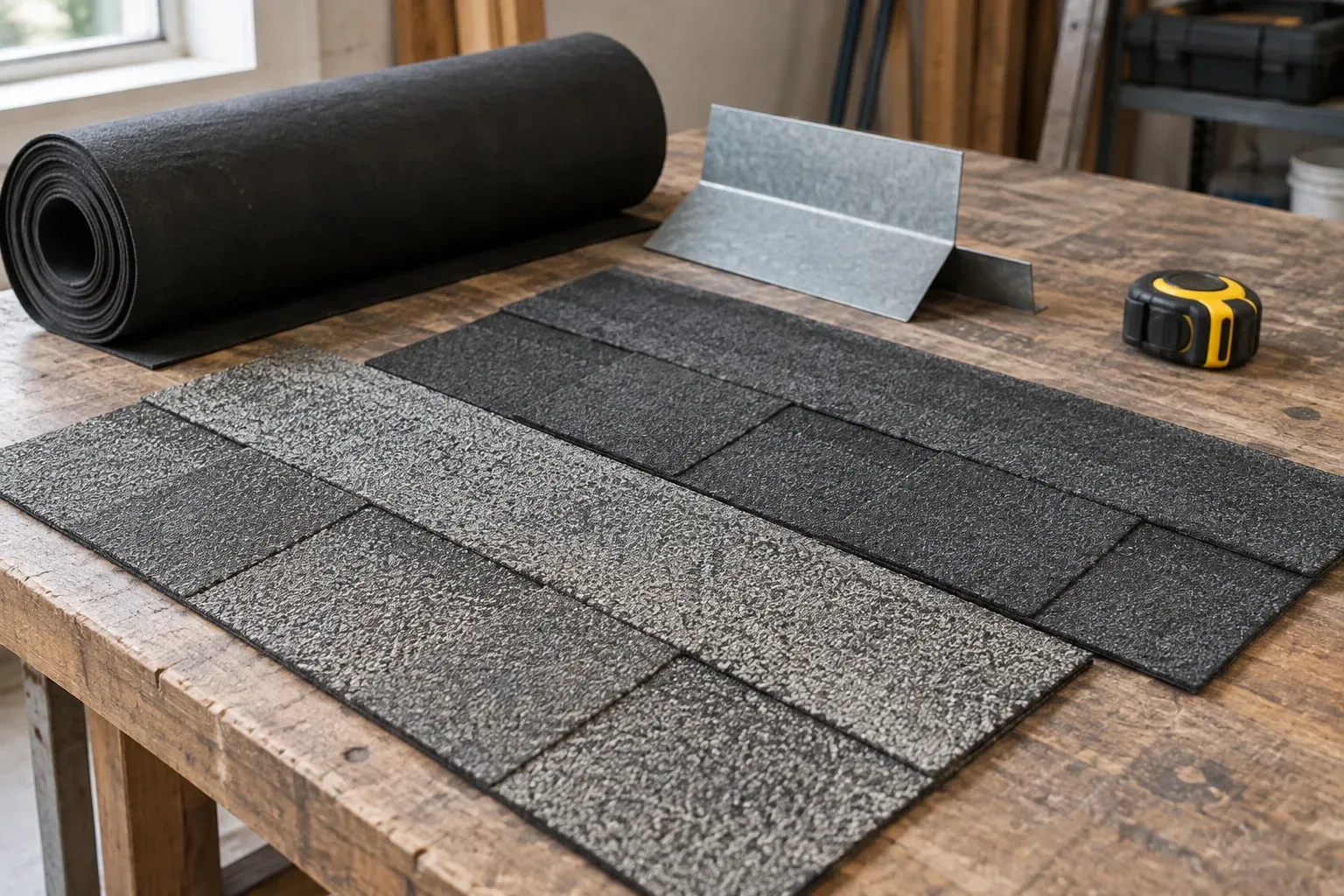
“Replace shingles” describes the visible surface, but it may not describe everything needed beneath it. Look for the proposed shingle type and an explanation of any underlayment, leak-barrier material or decking work included in the affected area. Not every repair requires every layer to be replaced. What matters is that the scope identifies which materials stay, which are removed and why.
For an asphalt-shingle roof, ask whether the proposed replacement product is suitable for the existing roofing and how it will be installed in the repair area. A color name alone does not answer that question. If the original product is unavailable, request an explanation of the proposed alternative. Material suitability and installation details deserve their own discussion before moving on to the visual match.
- Identify the replacement roofing material.
- Clarify which underlying layers are included.
- Separate planned decking work from possible concealed damage.
- Ask how replacement materials will connect to retained roofing.
Account for adjoining roof components
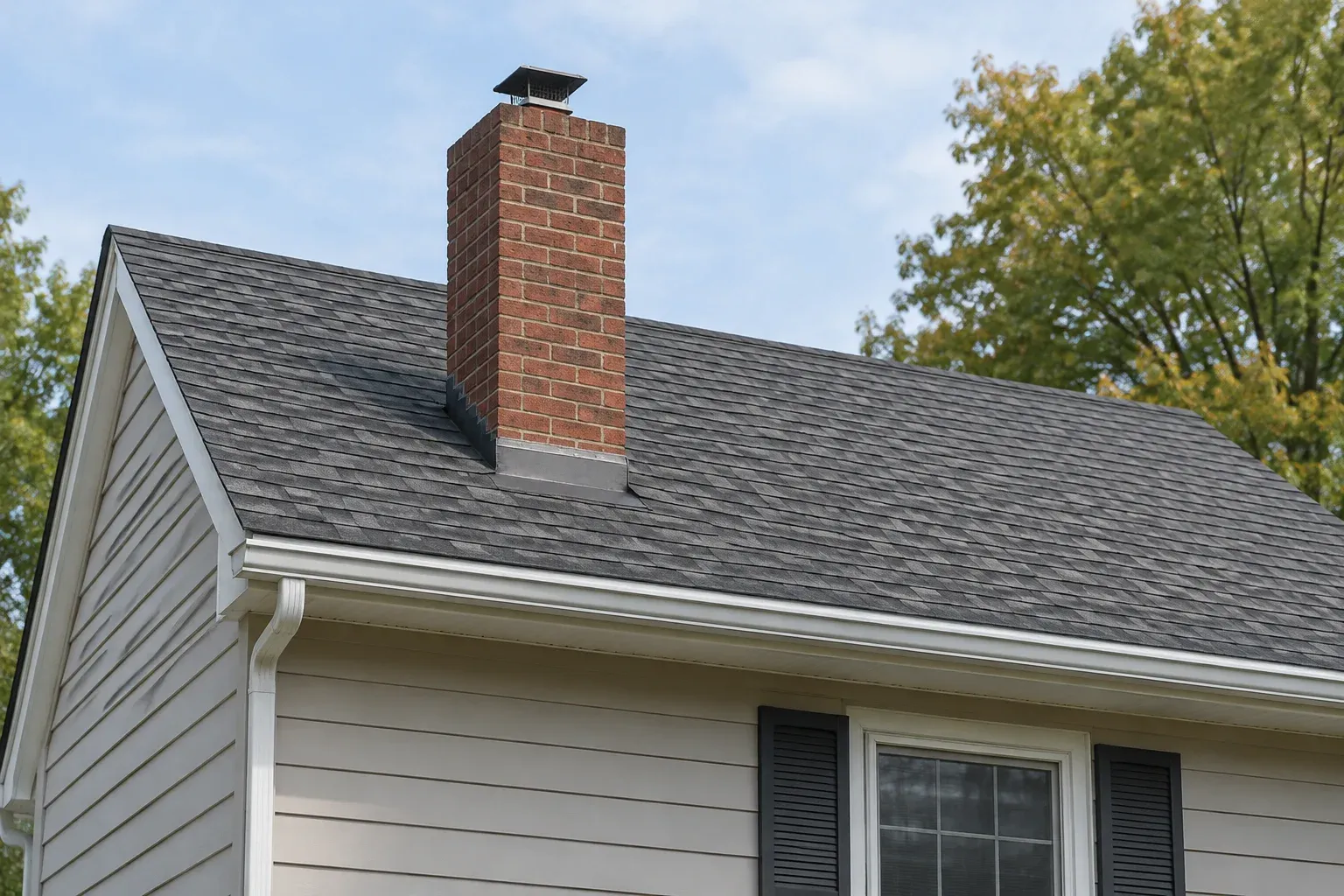
A repair beside a chimney, vent, valley or roof edge needs more explanation than a patch in an uninterrupted slope. These locations involve components that direct water around openings or off the roof. Ask whether nearby flashing, vent boots, ridge caps or edge metal will be inspected, retained, reset or replaced. The answer should relate to the actual location of the damage.
Avoid assuming that every nearby component needs replacement, but do not assume that new shingles alone address the whole problem either. For example, if the repair reaches a vent pipe, the scope should explain how roofing around that penetration will be handled. If an adjoining component falls outside the proposed work, ask why it can remain and whether its condition affects the repair.
Agree on how concealed damage will be discussed
Some conditions cannot be fully assessed while shingles and underlayment remain in place. Removing them may reveal deteriorated sheathing or other damage beneath the visible repair. GAF’s discussion of roof-deck wood rot explains how moisture can weaken wood and how roofing layers may need removal to establish the extent of deterioration. A proposal should acknowledge that possibility without treating concealed damage as certain.
Before approving work, ask how newly exposed conditions would be photographed and explained, and how a revised repair scope would be discussed with you. Also ask how the opened area would be protected while that discussion takes place. This is a communication question, not a prediction that additional work will be necessary. The aim is to avoid making decisions without a clear description of the finding.
Treat shingle appearance as a separate question
A repaired area may look different because existing shingles have weathered or because the original product is no longer available. Ask about the proposed color, profile and likely contrast before work starts. A sample can help set expectations, although its appearance on a workbench will not perfectly predict how it looks across a roof slope in changing daylight.
Keep that appearance discussion separate from repair completeness. A close color match does not establish that underlying layers or adjoining flashing were addressed. Conversely, a visible color difference does not by itself prove that a repair is incomplete. Review appearance against the agreed material choice, and review the roofing work against the defined boundaries, layers and components in the scope.
Approve a defined repair, not a vague promise
Before saying yes, read the scope once more alongside the inspection photographs. Can you locate the work, identify the replacement materials and explain what happens at the edges of the repair? Are nearby components accounted for? If an answer depends on what is found during removal, that uncertainty should be stated plainly rather than buried beneath a broad promise to fix storm damage.
For storm damage repair in Kennett Square, the most useful proposal is one you can understand well enough to ask focused questions. When discussing your roofing needs with EA Construction & Roofing, use these points to clarify the proposed work without assuming what your roof requires. A clear scope helps you approve a defined repair, with realistic expectations about its boundaries, appearance and any concealed conditions.
Frequently asked questions
Should a repair scope identify every damaged shingle?
It should identify the affected areas clearly enough that you understand what will be repaired. Photos, roof-slope descriptions and defined repair boundaries can be more useful than a shingle count alone. Ask how adjoining shingles disturbed during the work will be handled.
Does a different shingle color mean the repair is incomplete?
Not necessarily. Existing shingles may have weathered, and replacement materials may look different. Appearance and repair completeness are separate questions: discuss the expected visual match, then confirm that the materials and installation are suitable for the existing roof.
What if damaged roof decking is discovered after work starts?
Ask beforehand how the finding will be documented and explained, how any additional repair scope will be discussed, and how the opened area will be protected while a decision is made. Concealed damage cannot always be fully assessed before roofing layers are removed.