
Leak Detection in Caln: Do You Need a Diagnosis or a Repair Estimate?
Before booking leak detection in Caln, clarify whether the visit will investigate the moisture source or price a repair—and what findings you should receive.
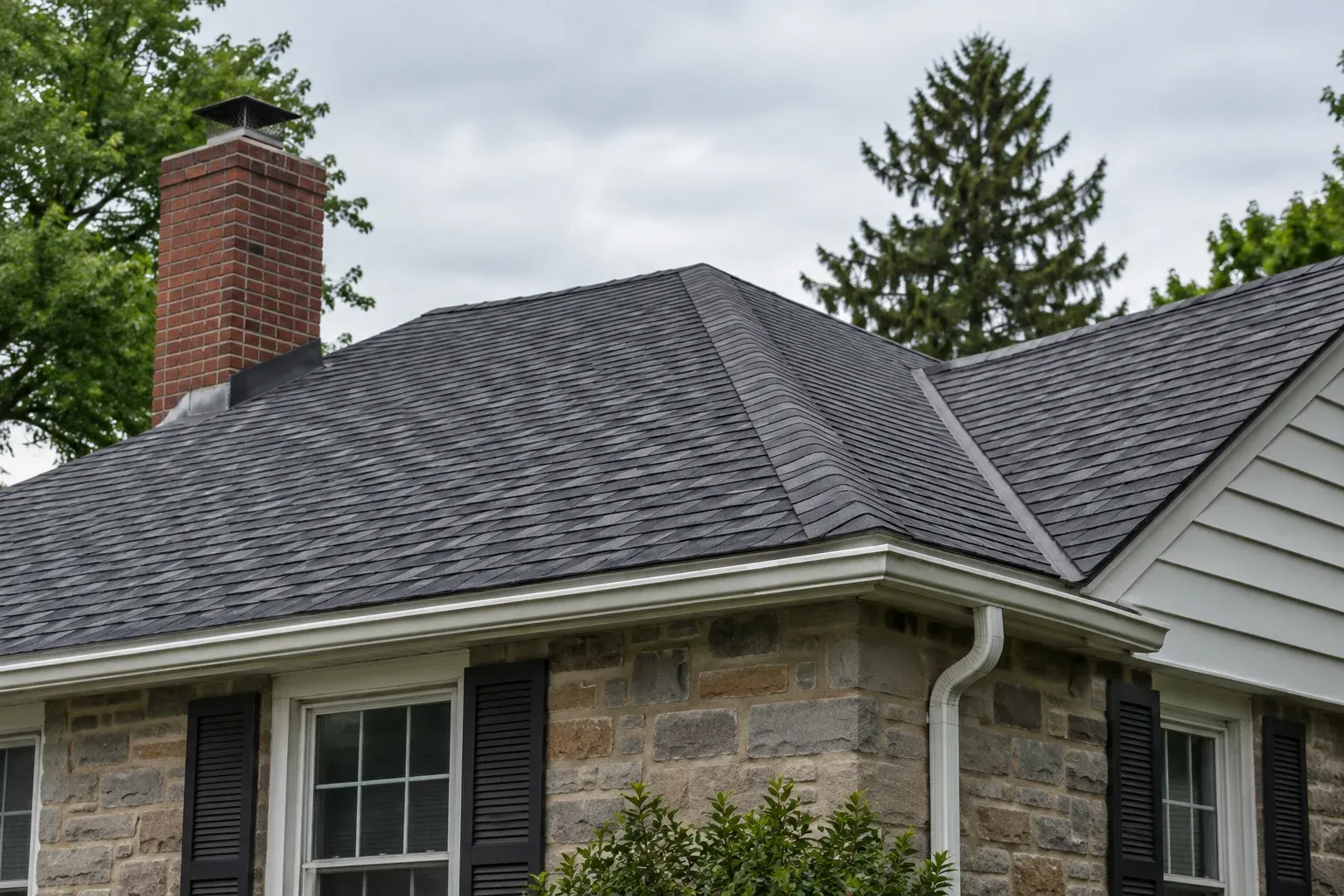
Start with the question the visit needs to answer
Leak detection in Caln should start with a simple question: are you booking someone to investigate where moisture is coming from, or to price a repair? Those are related tasks, but they are not interchangeable. A ceiling stain tells you where water became visible; it does not necessarily identify the entry point or establish that the roof is responsible. Before authorizing work, make sure the appointment addresses the question you actually need answered.
For homeowners, that distinction can prevent a frustrating mismatch between expectations and the visit. It also matters for rental-property owners, office managers and retail operators who must coordinate access around occupants or business hours. This guide explains what to ask a roofing contractor before booking, without assuming that every contractor uses the same inspection, reporting or repair process.
Separate investigation from pricing
A diagnostic visit aims to investigate the moisture source and explain the evidence. A repair estimate describes proposed work and its cost, sometimes based on a problem that has already been identified. One appointment can include both, but do not assume it will. Ask whether the contractor will investigate the cause or only evaluate a repair area you point out.
For example, saying “please price a repair around the chimney” may unintentionally narrow the visit before anyone has established that the chimney is involved. A better starting point is: “There is staining near this ceiling corner, and the source is unconfirmed. Does your visit include investigating it?” When reviewing EA Construction & Roofing’s leak detection service page, use that distinction to prepare your questions rather than treating the service name as a complete description of the appointment.
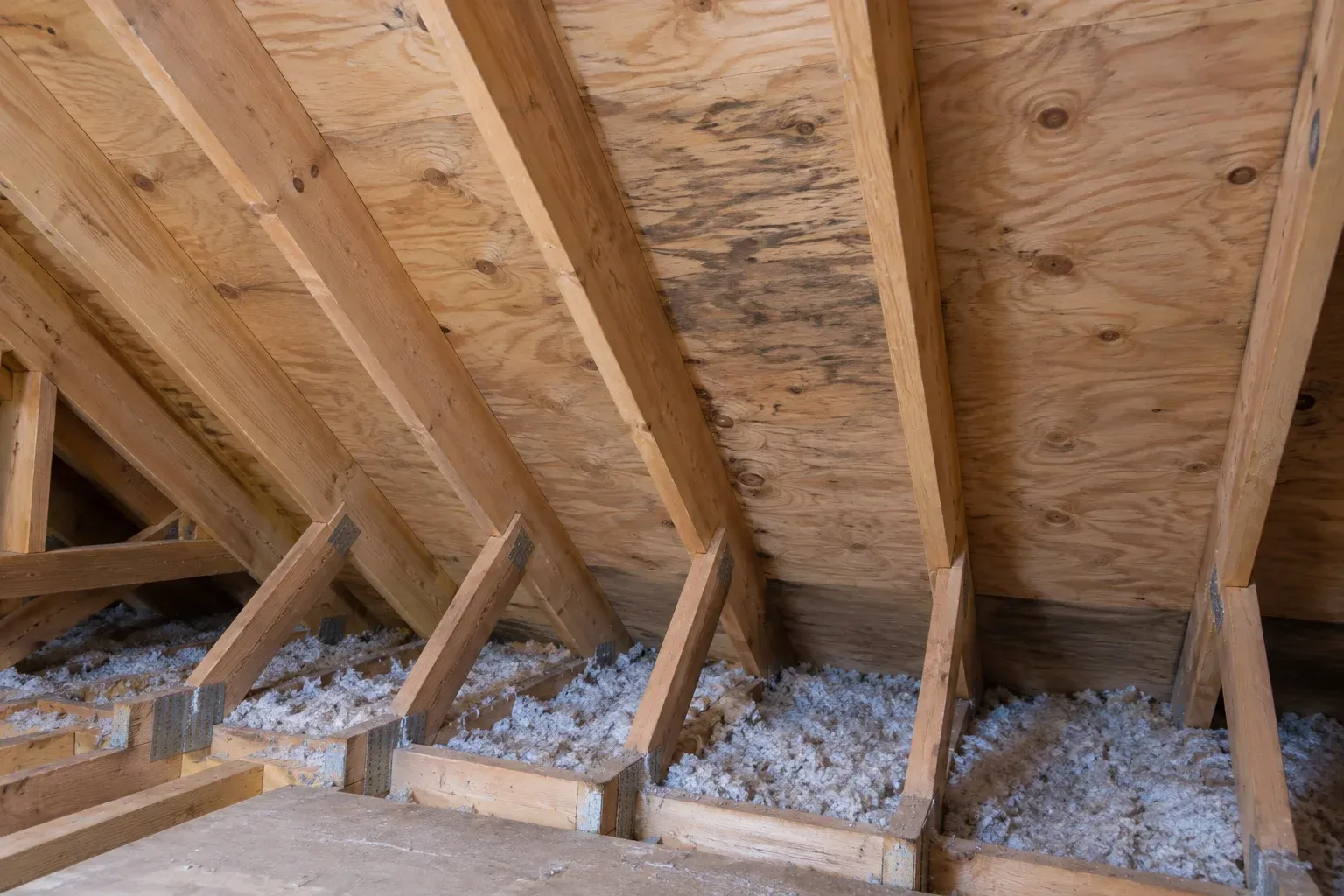
Define the investigation before booking
Ask what areas the contractor expects to examine and what access you need to provide. Depending on the building and conditions, relevant observations may come from the affected room, an accessible attic and exterior roof features. Moisture can travel before becoming visible indoors, so looking only at the surface directly above a stain may leave important questions unanswered. The appropriate approach depends on the property, not a universal checklist.
Clarify limitations before the visit. Weather, roof access, finished ceilings or inaccessible spaces may restrict what can be observed. Ask whether any testing or opening of materials might be recommended, whether it is included, and whether it needs separate permission. You do not need to prescribe a method. You need to understand what the contractor proposes to investigate and what would happen if that first step is inconclusive.
- What interior and exterior areas will the visit cover?
- What access should I arrange beforehand?
- Are testing or material openings included or separately authorized?
- What conditions could limit the investigation?
Agree on what will be documented
Ask what findings you will receive afterward. Useful documentation distinguishes observations from conclusions: where staining or dampness was found, what roof condition was observed, and why that condition may explain the moisture. Photos can help connect the discussion to specific locations, but a photograph of worn material is not, by itself, proof that it caused the indoor problem.
The format might be a written summary, annotated photos or another agreed record; ask rather than assume a formal report is included. For a rental home or commercial space, a shareable record can help the owner, tenant and maintenance contact discuss the same findings. Request clear location descriptions and any areas that were not examined. That makes the record useful when deciding what to authorize or when another visit is needed.
Ask how uncertainty will be explained
A careful explanation may include uncertainty. The contractor might find a likely entry point without confirming the entire water path, or identify more than one plausible cause. Ask which findings are directly observed, which conclusions are provisional, and what additional evidence would change the recommendation. “We could not confirm it today” is useful information when it comes with a clear explanation of the limitation.
If moisture appears only under certain conditions, your notes may help guide the investigation. Our guide to tracking a roof leak that comes and goes explains that separate issue in more detail. For booking purposes, the important question is how an inconclusive visit will be handled: further observation, additional access, testing or another appropriate step. Also ask whether those steps would involve a separate appointment or charge.
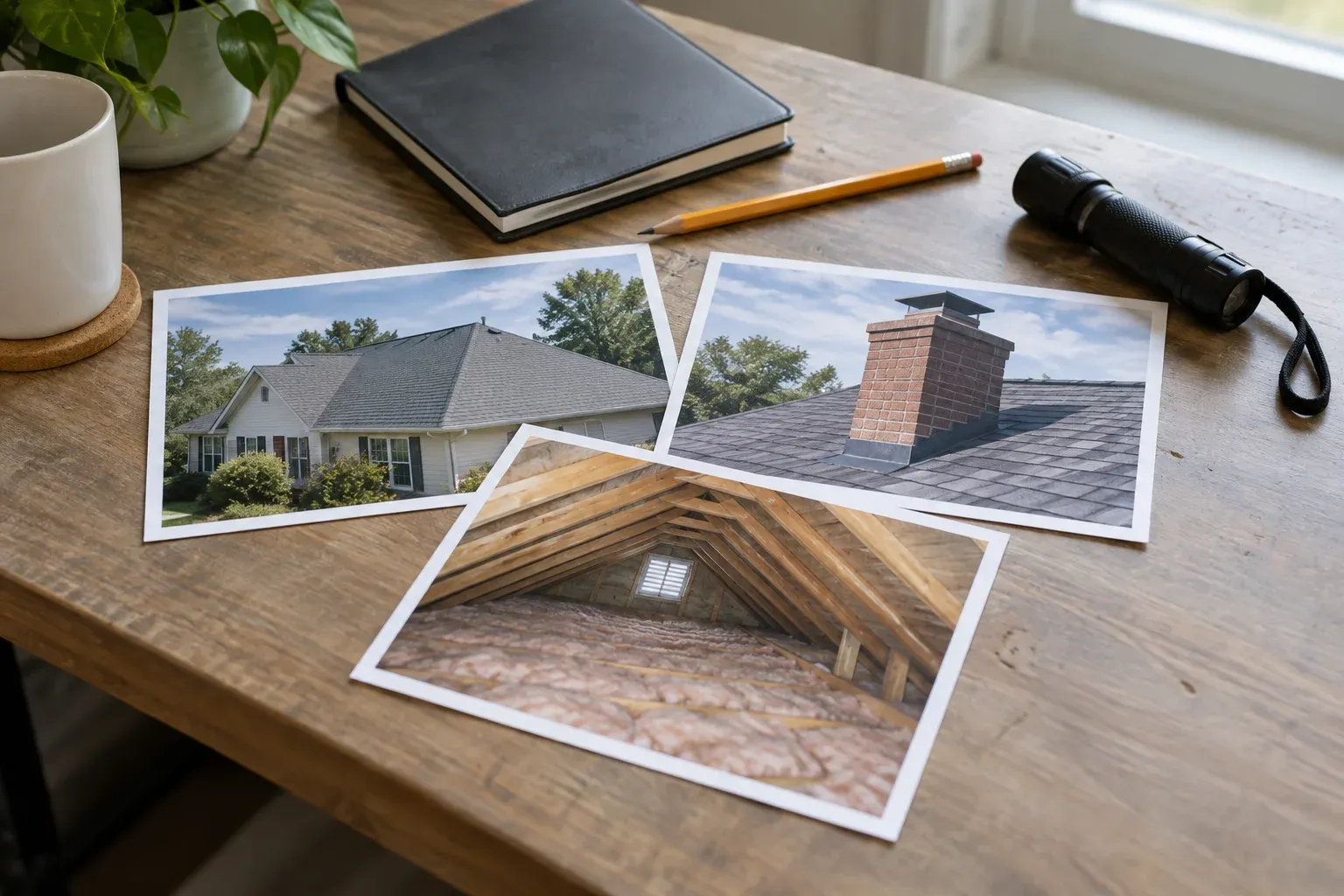
Check that the repair follows from the findings
Before approving a repair, ask the contractor to connect the proposed work to the findings. Which observed condition will it address? Why is that condition considered responsible for the moisture? Does the proposal cover one confirmed source, a suspected source or several possible sources? The explanation should let you understand the recommendation without requiring you to become a roofer.
Read the scope alongside that explanation. It should be clear what area and materials are involved, what is excluded, and how unexpected concealed conditions would be handled. Temporary protection and permanent repair are different decisions; clarify which is being proposed and authorized. If active water entry requires prompt action, ask what can safely reduce further damage now and what investigation remains necessary afterward. Urgency does not turn an unconfirmed cause into a confirmed one.
Prepare information, access and authorization
Prepare a short account of where moisture appeared, when you first noticed it and whether anything has changed. Gather existing photos and mention prior repairs without presenting them as proof of the cause. Arrange permission to enter affected rooms and accessible inspection areas. For occupied rentals, offices or shops, identify who can provide access and who has authority to approve additional work.
Keep preparation safe: do not climb onto the roof, open ceilings or enter an attic with uncertain footing to collect evidence. Before booking, confirm any visit fee, the expected deliverable and whether repairs require separate approval. If contacting EA Construction & Roofing, use these questions to request a defined scope rather than assuming that investigation, documentation and repair are all included.
Choose the scope before authorizing work
The right starting point is the service that matches what is known. When the source remains uncertain, request investigation and an explanation of the findings before treating a repair price as the answer. When the cause is supported, a repair estimate can address a defined problem. For leak detection in Caln, make the appointment’s purpose, documentation, limitations and authorization boundaries clear before work begins.
Frequently asked questions
Should I book leak detection or ask for a repair estimate?
If the moisture source has not been established, ask for a visit that includes investigating it. A repair estimate may be appropriate when the cause is already supported by findings. Confirm the scope rather than relying only on the appointment’s name.
Does a leak detection visit always identify the source?
No. Dry conditions, inaccessible areas or multiple possible entry points can limit the findings. Ask the contractor to explain what was observed, what remains uncertain and what further investigation would help.
What should I request before approving a proposed roof repair?
Ask for the findings that connect the proposed work to the moisture problem, the repair location and scope, any limitations, and what happens if concealed conditions change the work. Also clarify whether temporary protection and permanent repairs require separate authorization.