
New Roof Installation in South Coatesville: What Should Your Proposal Include?
Look beyond shingle brand and color. Use these practical questions to compare roofing proposals, clarify exclusions and plan for hidden conditions.
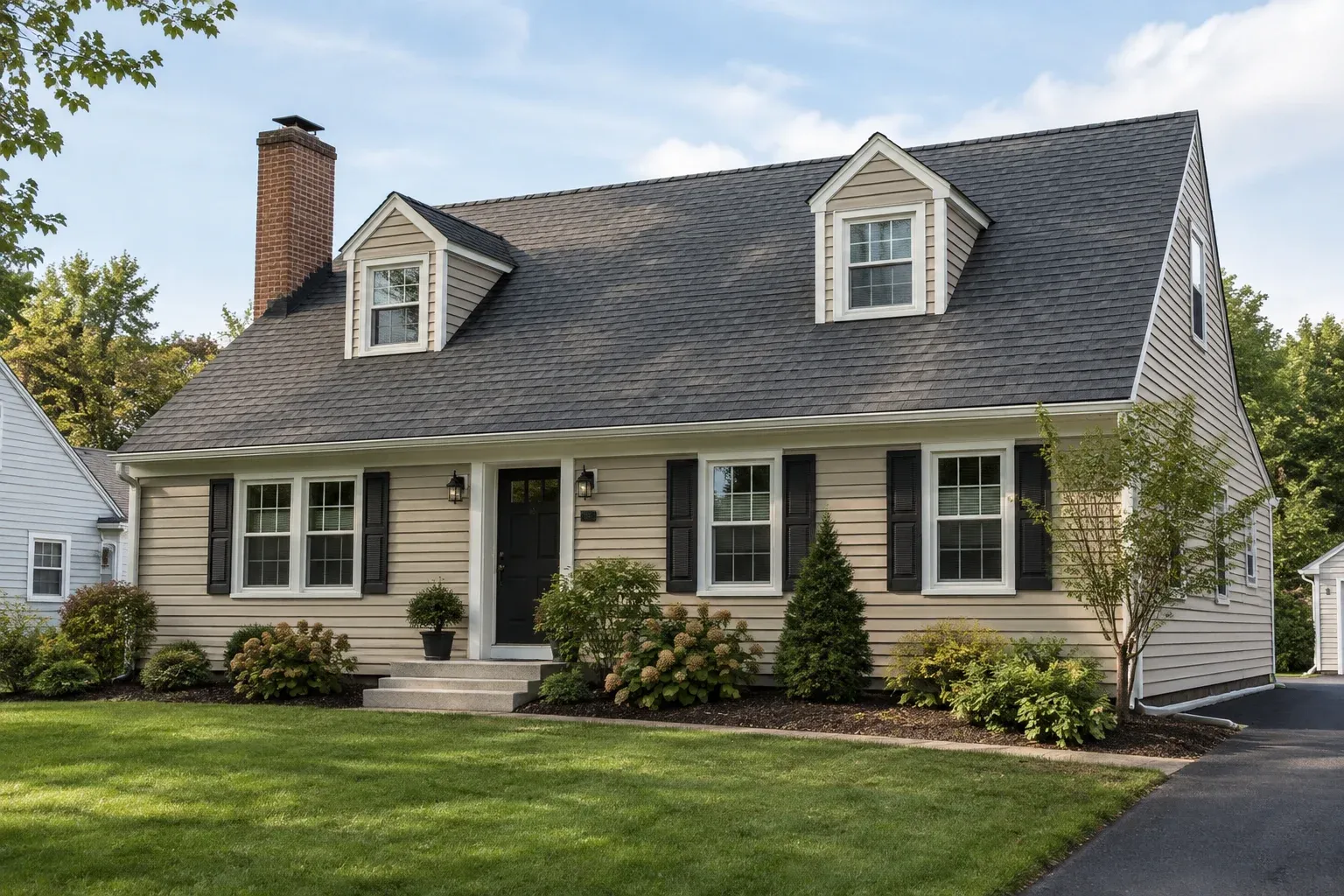
Start with the work, not just the shingles
A proposal for new roof installation in South Coatesville should explain more than which shingles will go on your home. The work beneath and around those shingles deserves equal attention: removal of existing roofing, the condition of the roof deck, flashing, ventilation and cleanup. A clear scope helps you understand what you are comparing before you choose a contractor.
These questions are useful for homeowners and for rental-property owners or small-business operators planning a pitched-roof project. When discussing new roof installation with EA Construction & Roofing or another roofing contractor, ask for answers tied to your building. A proposal that describes the actual roof is more useful than a broad promise to install a complete roofing system.
Define the roof areas and materials included
Begin by checking which roof areas the proposal covers. Does it include the main roof, an attached porch, a garage or a lower roof over an addition? Different slopes and materials may need different treatments. Ask the contractor to identify each included area and explain any section that will remain untouched, particularly where old and new roofing meet.
The material description should distinguish shingles from underlayment, starter materials, ridge caps and edge components. Ask which products are specified and where they will be used. Color still matters, and our guide to choosing shingle colors can help with that separate decision. First, establish whether competing proposals cover the same areas and components so appearance does not overshadow differences in scope.
- Which roof areas are included, and which are excluded?
- Which materials are named beyond the shingles?
- Where will existing components remain in place?
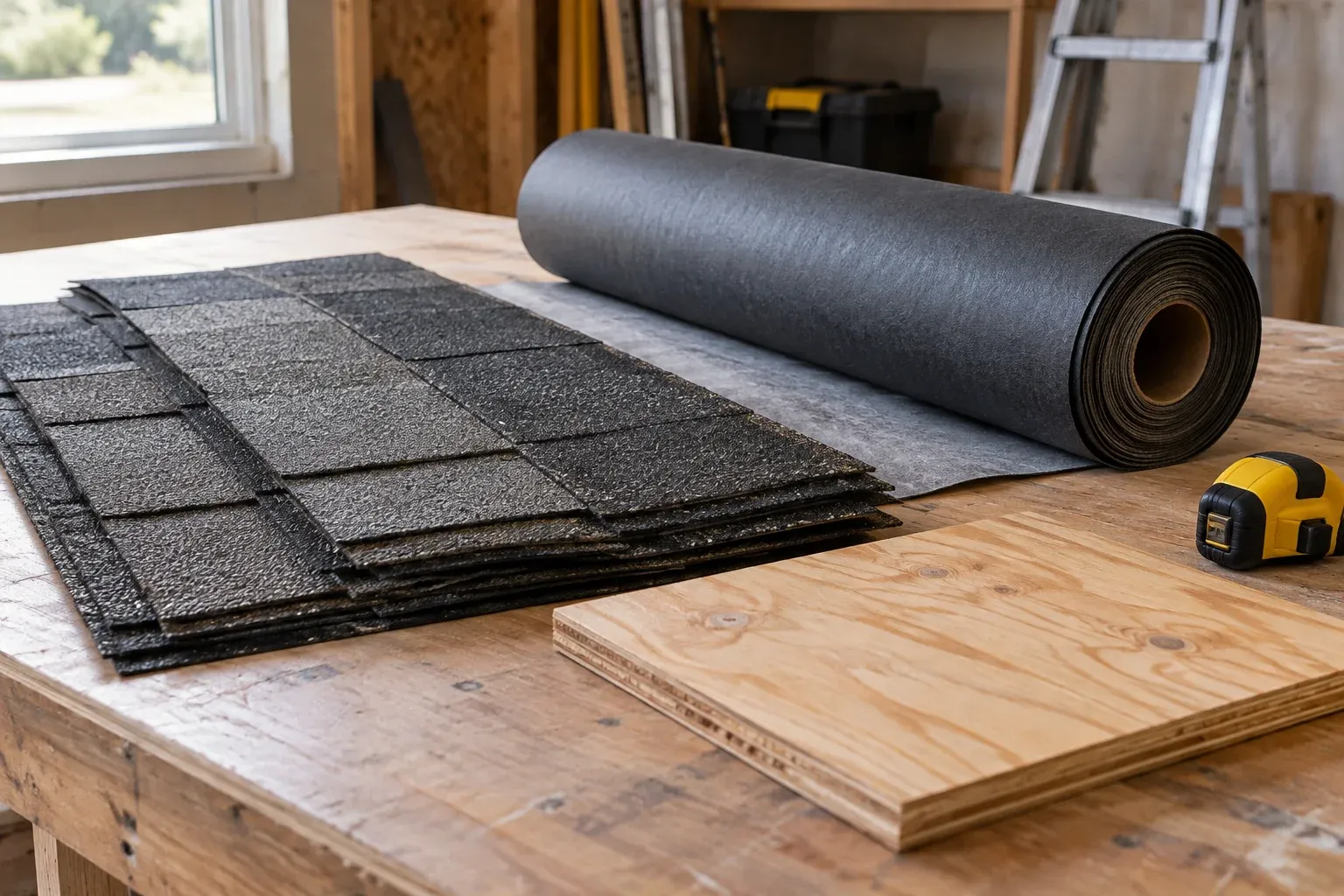
Clarify removal of existing roofing
For a roof installed on an existing building, ask whether the proposal includes removing the current roofing and how far that removal extends. The answer should address the known layers, underlayment and relevant accessories rather than simply say 'tear-off included.' If existing material will remain, ask why that approach is being proposed and what it means for evaluating the surface beneath it.
Removal also needs a disposal plan. Ask whether loading, hauling and disposal are included, where the collection container will sit and whether access affects the schedule. On an occupied rental or business property, identify parking and delivery conflicts early. These details help distinguish the roofing work itself from the practical arrangements needed to carry it out.
Separate deck assessment from deck repair
The roof deck is the supporting surface beneath the roofing layers. Ask how the contractor will assess it once existing materials are removed and what conditions could lead to repair or replacement. A preliminary visit may reveal concerns, but it cannot necessarily establish the condition of every covered section. GAF’s roofing installation overview includes checking and repairing hidden deck damage as part of the general installation sequence.
Ask whether deck work is included, treated as an allowance or excluded pending inspection. If replacement becomes necessary, the written description should identify the material and affected area. Avoid assuming that 'deck repairs as needed' settles the issue; it leaves open how much work is covered, how added work will be measured and when you will be asked to approve it.
Ask about flashing at every transition
Flashing deserves its own discussion because it manages water at roof transitions and openings. CertainTeed’s explanation of roof flashing identifies chimneys, skylights, vents and roof-to-wall intersections as areas where these materials are used. Ask the contractor to address the features on your roof individually, including valleys where slopes meet, rather than relying on one general line about flashing.
For each location, ask what will be replaced, what may be reused and how that decision will be made. A pipe boot, chimney flashing and a wall intersection are not interchangeable details. If the work requires disturbing siding or involves chimney masonry, clarify whether that related work is included. The proposal should make the boundary between roofing work and other repairs understandable.
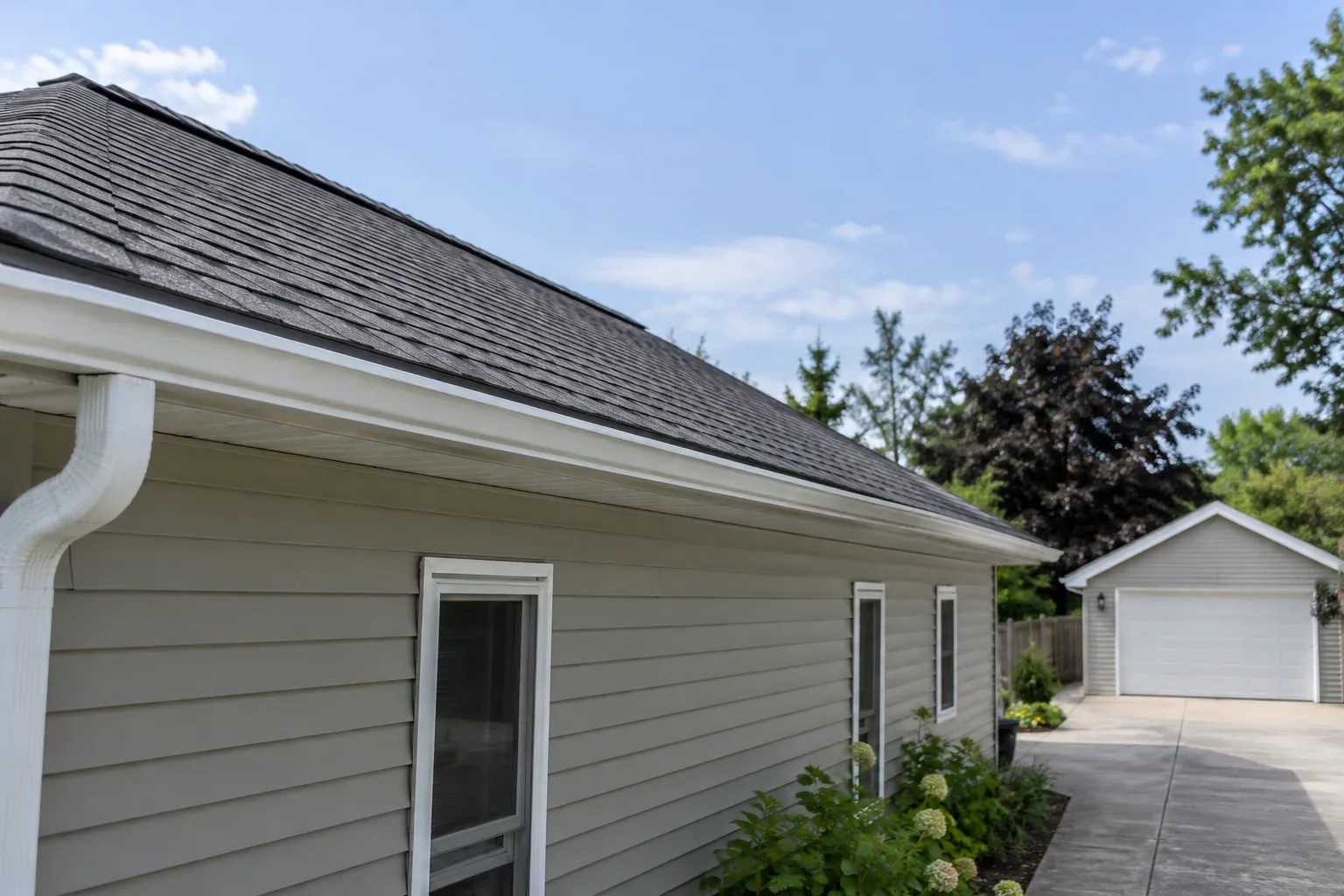
Understand the ventilation plan
A ventilation description should explain more than the presence of a ridge vent. For a vented attic, GAF’s attic ventilation guidance describes a balance between intake near the soffits and exhaust near the ridge. Ask how the proposed arrangement accounts for both parts and whether the contractor has evaluated the existing openings rather than simply planning to replace visible roof vents.
Ask which vents will remain, which will be removed and whether soffit work is included. An attic with blocked intake openings or an addition with a separate roof space may need further evaluation. If the building has an unvented roof assembly, request an explanation suited to that construction. Do not assume every roof should receive the same ventilation package or that more vents alone resolve the question.
Set a written process for unexpected conditions
Agree on how unexpected conditions will be documented before additional work proceeds. Ask for photographs that show both the defect and its location, along with a written explanation of the proposed response. A close-up alone may not tell you which roof area is involved. The documentation should connect the observed condition to the work being recommended without requiring you to interpret roofing details yourself.
Clarify who can authorize a change, how approval will be recorded and how any cost or schedule adjustment will be presented. Rental owners and business operators should designate an available decision-maker if they will not be on site. Also ask how the contractor proposes to manage a pause while approval is pending. Settle that communication process before removal begins, not during an unexpected discovery.
- Photographs and a location description
- An explanation of the condition and proposed work
- A written cost and schedule adjustment, if applicable
- Approval from the designated decision-maker
Finish with cleanup and a final scope review
Cleanup should be specific enough to distinguish hauling away the main roofing debris from finishing the work area. Ask whether the scope includes checking gutters for construction debris, collecting loose fasteners and removing unused materials. Confirm when the disposal container will leave and what final documentation you will receive. If warranty coverage is offered, request the actual terms rather than relying on a summary.
Before selecting a proposal for new roof installation in South Coatesville, review it against the same questions you asked every contractor. Resolve unclear exclusions, deck allowances and approval arrangements in writing. If you would like to discuss your roof with EA Construction & Roofing, contact the business with your project details and scope questions. The goal is a proposal that explains the work you are considering, not simply the shingles you will see.
Frequently asked questions
Should a new roof installation proposal include removal of the old roof?
For an existing building, the proposal should state whether removal is included, which layers will be removed and how disposal is handled. If the contractor proposes leaving existing roofing in place, ask for the reasoning and how the underlying deck will be evaluated.
How should unexpected roof-deck damage be handled?
Ask for a written process that identifies the affected area, documents the condition with photographs, describes the proposed repair and explains any change in cost or schedule. Clarify who must approve additional work and how that approval will be recorded.
Does new shingle installation automatically include new flashing and ventilation?
Do not assume it does. Ask the contractor to identify which flashing and ventilation components will be replaced, retained or modified. The proposal should also explain exclusions and whether additional work is needed to support the planned roofing system.