
Roof Inspections in Eagleview: Tracking a Leak That Comes and Goes
Prepare for an intermittent-leak roof inspection with weather notes, interior stain locations and repair history—and understand what a dry-day visit can establish.
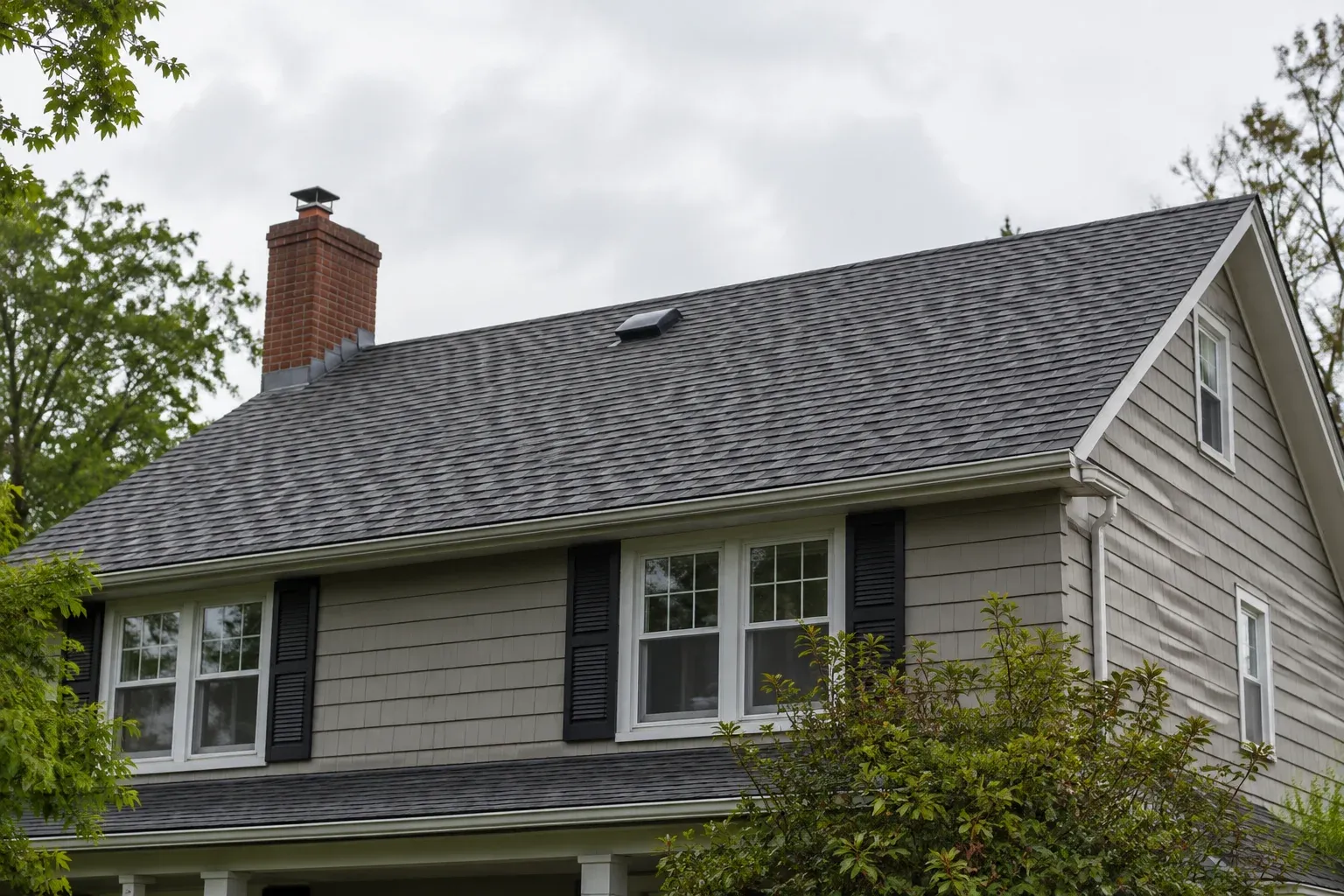
A dry ceiling does not end the investigation
Roof inspections in Eagleview can help investigate a leak even when the ceiling is dry on inspection day. An intermittent leak might appear during one storm, disappear for weeks, then return in the same room. That does not mean the problem has resolved. It means the inspection needs more than a snapshot of current conditions: the timing of past leaks, their interior locations and the roof's repair history can all help narrow the search.
For homeowners, office managers, retail tenants and owners of rental buildings, the useful starting point is a clear account of what happened. You do not need to diagnose the roof yourself. Your role is to preserve observations that may no longer be visible when someone arrives. A dry-day inspection can reveal plausible entry points and evidence of water movement, but it may not conclusively reproduce the conditions that caused the leak.
Record the conditions that bring the leak back
Write down when water first appeared and what the weather was doing before that moment. Did the stain darken during steady rain, only after a long storm, or when rain arrived with strong wind? If you noticed the wind direction, include it without guessing. Also record any delay between the rainfall and the indoor drip. A leak that becomes visible hours later may involve water collecting or traveling before reaching the occupied space.
Describe what you actually saw: a growing stain, a damp ceiling edge, a drip at a light fixture, or moisture beside a window. Separate those observations from assumptions about their cause. In a commercial building, ask occupants to use the same room names or suite numbers so separate reports can be compared. Several accounts of the same event are more useful when their times and locations are consistent.
- Date and approximate time moisture appeared.
- Rain duration, apparent intensity and any observed wind.
- Room, floor and position of the stain or drip.
- Whether the mark changed size, color or dampness.
- Whether nearby plumbing or mechanical equipment was operating.
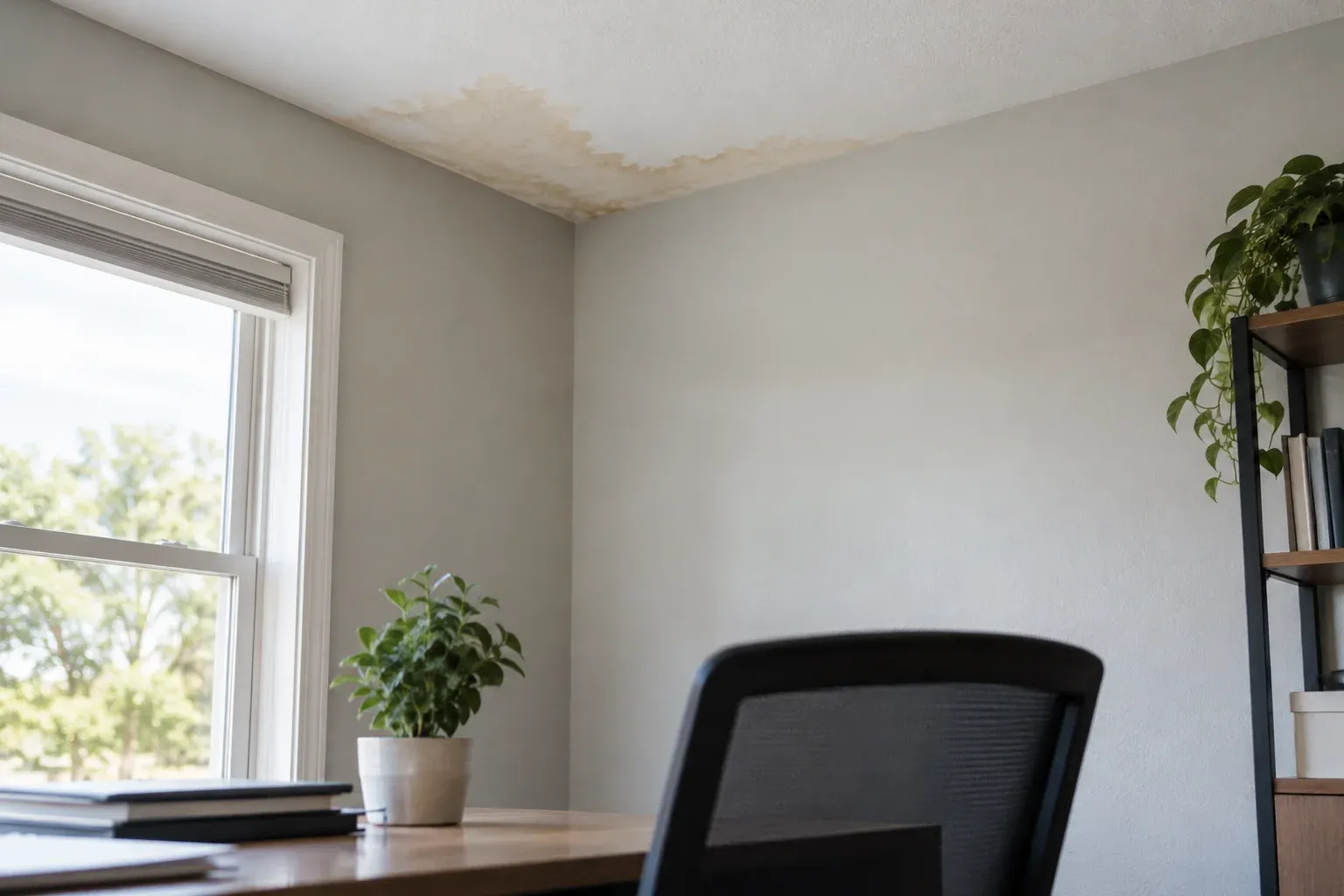
Map the stain without assuming a straight-down path
Photograph the affected area from a safe floor-level position. Take one wider view that shows the room and one closer view of the stain. Use fixed references, such as an exterior wall, window or doorway, to describe its position. Keep earlier images even if the mark later fades. If repainting or ceiling replacement is planned, photograph the area beforehand so useful evidence is not lost.
The visible stain may not sit directly below the opening in the roof. Water can run along roof decking, follow framing, or move across another surface before dropping onto the ceiling. Insulation can also obscure the route. A stain near an exterior wall might therefore lead an inspector to consider details farther uphill or sideways, not just the roof immediately above the mark. Its location is a starting reference, not a confirmed entry point.
Bring the history of repairs and alterations
Share whatever you know about previous roof work, including patches, replaced flashing, vent changes, skylight installation or removal, and work around chimneys. For offices, shops and other commercial premises, rooftop equipment additions or service visits may also be relevant. Approximate dates and the areas involved are useful even when detailed records are unavailable. Explain whether the leak started before the work, stopped afterward, or returned under different weather conditions.
A previous repair is a clue, not proof that the repaired area is responsible. Likewise, a visible patch does not establish that it failed. The inspector can consider that history alongside present conditions. If you are unsure whether you need an investigation or already have a defined repair scope, the distinction between an inspection and a repair estimate is useful background. For a recurring, unexplained leak, keep the immediate focus on understanding the possible route of water.
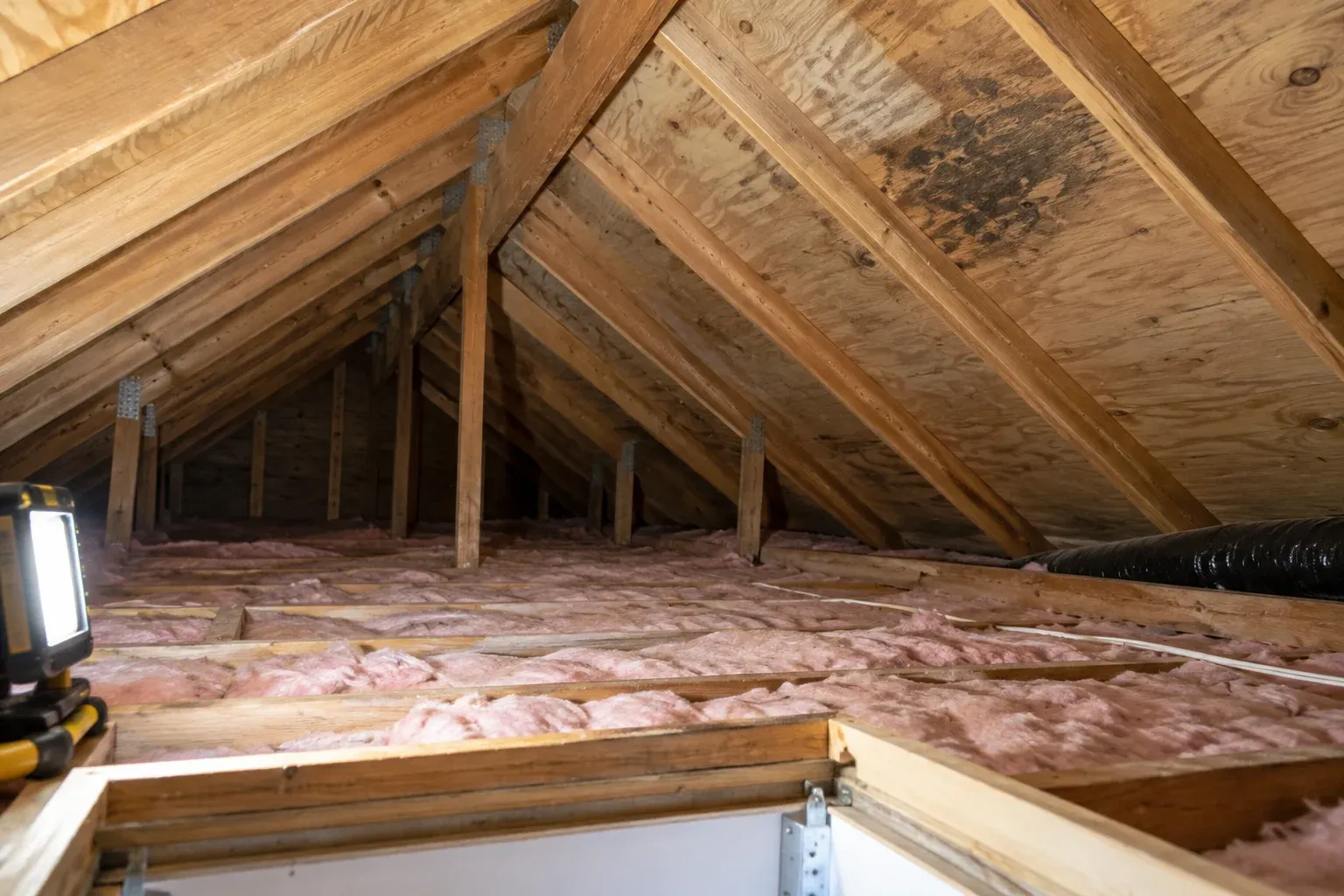
Connect roof details with interior evidence
Where safe access and visibility allow, an inspection can compare interior evidence with roof conditions. On a shingle roof, possible clues include damaged coverings, exposed fasteners or questionable details around penetrations and roof intersections. On a low-slope commercial roof, seams, penetrations, drainage areas and transitions may warrant attention. These are general inspection considerations; the relevant features depend on the building's actual roof system and the reported leak pattern.
Accessible attic or roof-space evidence may help connect those exterior observations to the stain below. Discolored decking, water tracks or localized dampness can suggest a route, although old marks do not establish an active leak. Some areas may be concealed by finishes, insulation or equipment. Tell the inspector about access restrictions in advance, especially in occupied commercial premises where tenant permission, locked rooms or building-management coordination may affect what can be examined.
Understand what a dry-day inspection can establish
A dry inspection is useful, but it has limits. Finding a defect that could admit water is not always the same as proving it caused a particular stain. Wind-driven rain, prolonged saturation or a specific drainage condition may be absent during the visit. Moisture readings, if taken, describe conditions at that time; a dry reading does not erase the history of a leak. Plumbing or condensation may also deserve consideration when the evidence does not clearly point to the roof.
Ask which observations support the suspected cause, what remains uncertain and what additional evidence would help. Guidance on what useful inspection findings should show can help you frame those questions without turning the visit into a paperwork exercise. Further observation or a professionally planned diagnostic test may sometimes be appropriate. Do not attempt to reproduce the leak with a hose yourself; uncontrolled water can create new damage or produce misleading results.
Keep the next step focused on evidence
If moisture appears again, continue the same record rather than starting over with a new description. Photograph changes from the same viewpoint and note whether the weather resembles earlier events. For managed properties, have one contact gather occupant observations and share them with the person evaluating the roof. Protect belongings where it is safe to do so, but do not treat a quiet period between storms as confirmation that the underlying issue has disappeared.
Roof inspections in Eagleview are most useful when the building's leak history and visible conditions are considered together. When arranging roof inspections, explain that your concern is an intermittent leak and bring the observations you have gathered. The practical goal is to narrow possible entry points, understand the limits of the available evidence and determine what needs further investigation—not to force certainty from a dry ceiling.
Frequently asked questions
Can a roof inspection help if the leak is not active that day?
Yes. An inspection may identify visible defects, old water tracks and roof details that fit the leak history. However, a dry-day visit may establish likely causes without confirming the exact entry point.
Does a ceiling stain show where water entered the roof?
Not necessarily. Water can travel along decking, framing or other surfaces before becoming visible inside. The stain is a useful reference point, but the investigation may need to extend uphill or sideways from it.
What should I gather before an intermittent-leak inspection?
Gather dated photos, notes about the weather and timing, the stain's room location, and any available history of roof repairs or alterations. Commercial property managers should also arrange authorized access to affected rooms and relevant roof spaces.