
Leak Detection in Hayti: Roof Leak or Condensation?
A practical guide to comparing roof water entry with indoor condensation, recording useful clues safely, and identifying the source before choosing a repair.
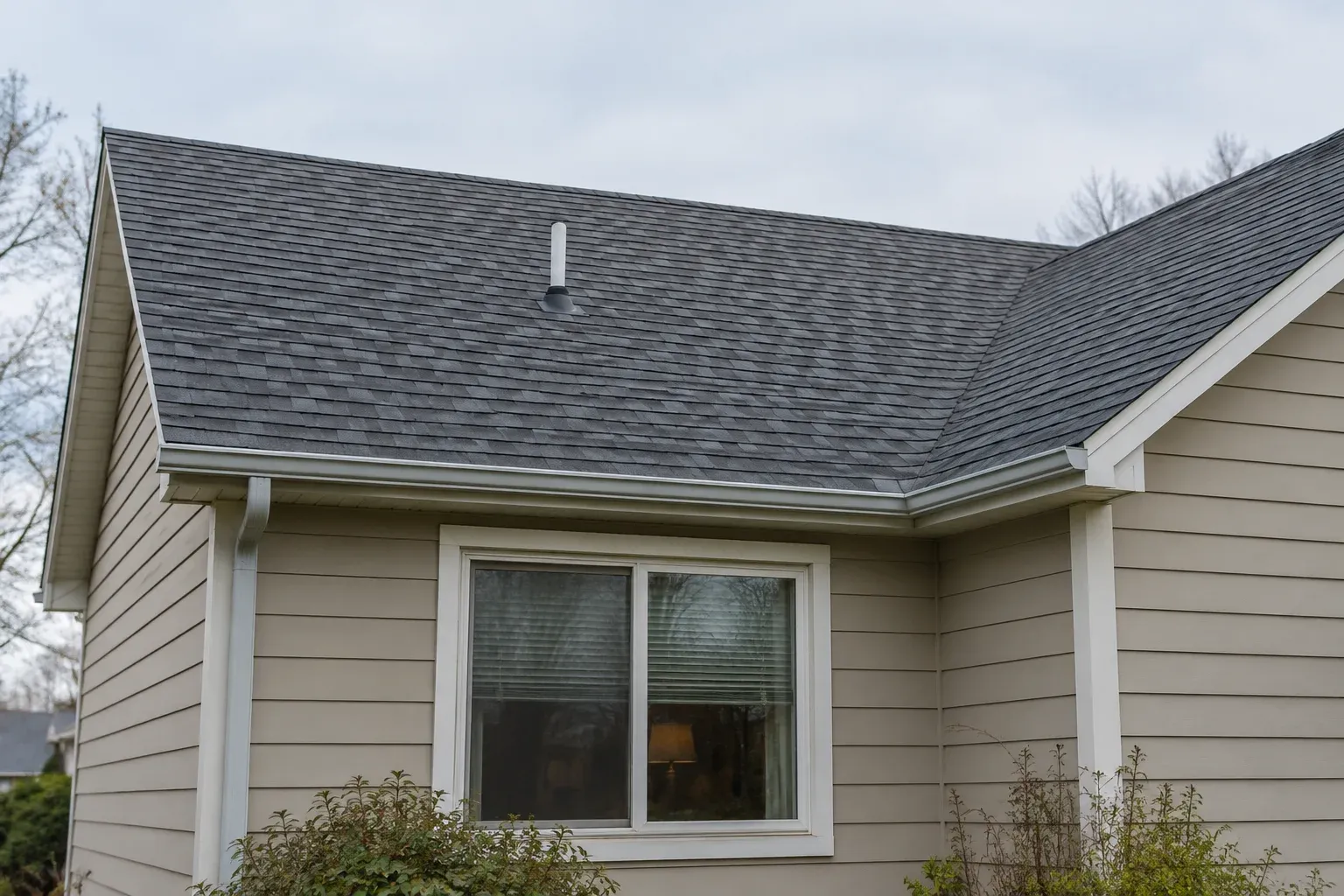
Start with the source, not the stain
Leak detection in Hayti starts with a question that a ceiling stain alone cannot answer: did water enter through the roof, or did moisture already inside the building condense on a cold surface? Both can leave damp patches, discoloration or occasional drips. Before choosing a repair, homeowners and people responsible for offices, shops or storage buildings need to separate those possibilities without treating one visible clue as proof.
EA Construction & Roofing provides roofing services. This guide explains the observations that can help frame a roof-related moisture concern, rather than describing a company-specific inspection process. The useful starting point is a record of where moisture appears, when it develops and what else is happening in the building. That information gives a roofing professional a better basis for investigating than a guess about the nearest shingle.
How roof leaks and condensation differ
A roof leak involves outside water passing through a weakness in the roof assembly, such as damaged roofing or a vulnerable flashing connection. Water may then follow framing, decking or another surface before reaching a ceiling. The visible drip can therefore be some distance from the entry point. A mark beneath a roof vent deserves attention, but its position does not establish that the vent is the source.
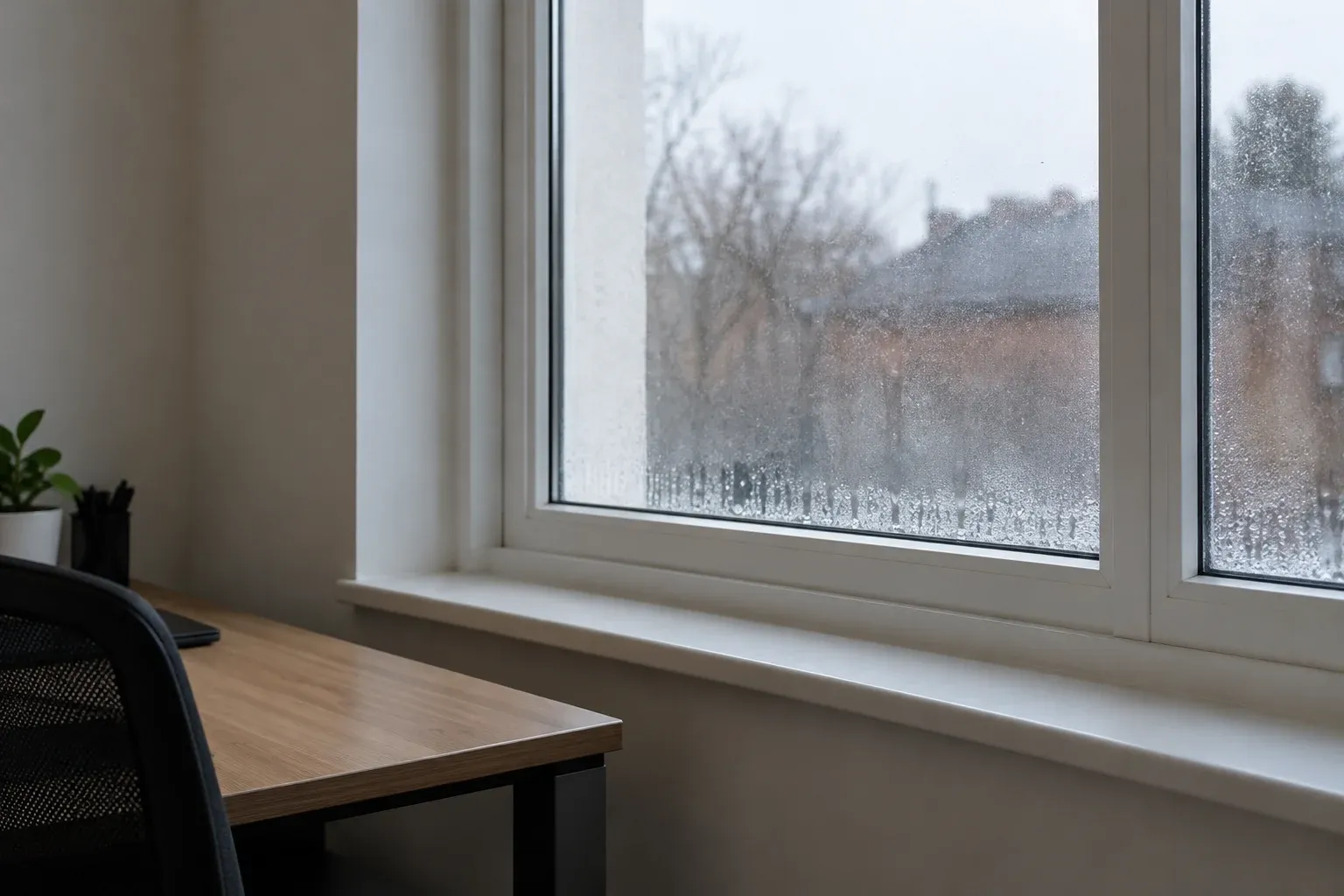
Condensation happens when moist air meets a surface cold enough for water vapor to become liquid. It may develop on window glass, cold building surfaces or the underside of roof decking when conditions allow. Indoor moisture from bathing, cooking or other building activities can contribute, as can air movement into colder spaces. Condensation is not automatically a roofing defect, although roof-space conditions may be relevant to understanding it.
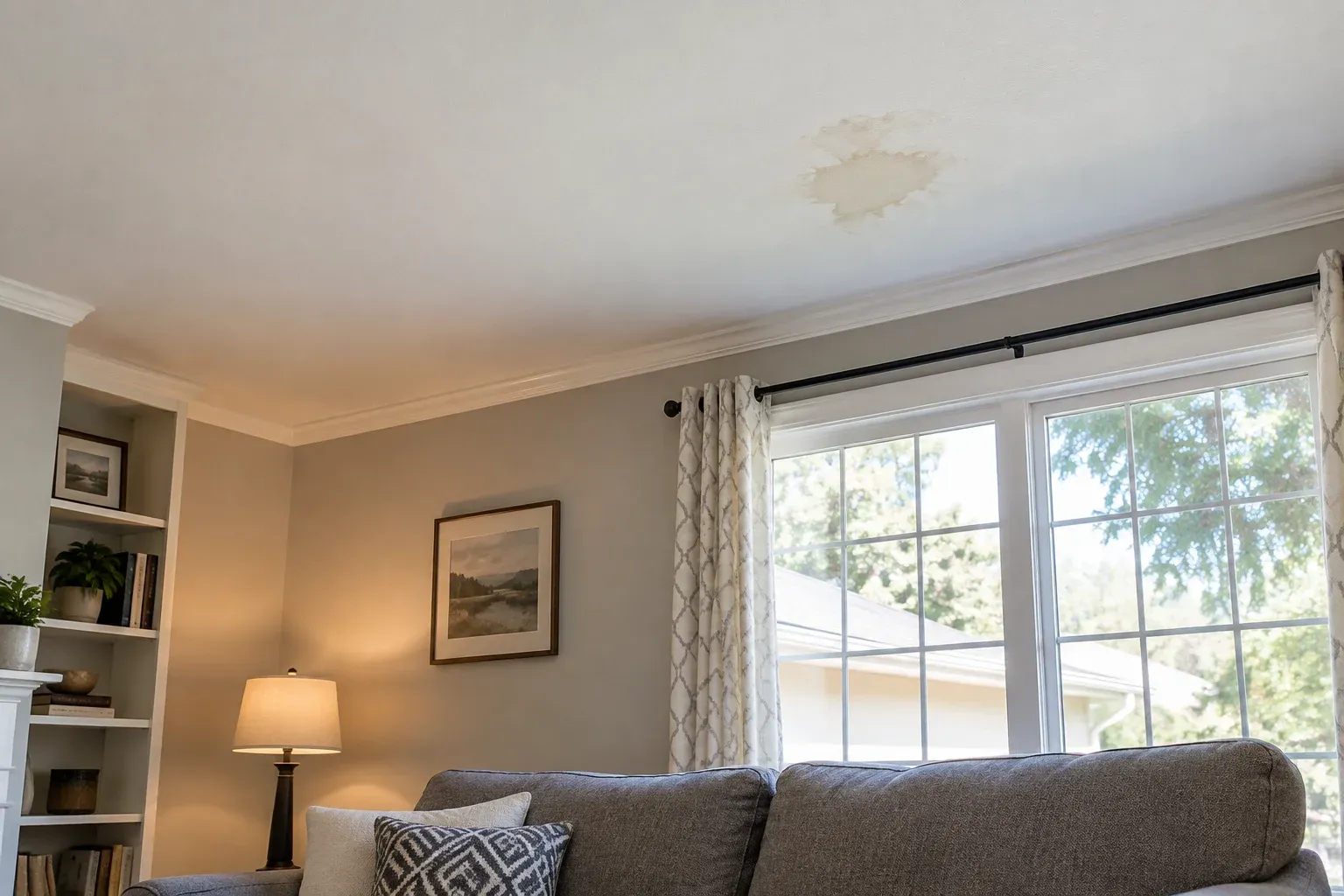
Read moisture patterns without overreading them
A concentrated stain, a recurring drip in one place or a narrow track along a ceiling joint may support an investigation of a particular water pathway. Broader dampness across several cold surfaces may make condensation worth considering. Neither pattern is exclusive. A roof leak can spread through absorbent materials, while condensation can collect at one low point and drip onto a small area that looks like an isolated leak.
From a living room or another normally occupied space, note whether the moisture is near an exterior wall, around a ceiling fixture or beside a window. Compare nearby surfaces without removing finishes. Window condensation can be a useful sign that indoor moisture conditions deserve attention, but it does not explain every ceiling stain. Conversely, dry windows do not rule out condensation occurring elsewhere in the building.
Compare timing with rain and indoor activity
Repeated wetting during or after rain makes exterior water entry more plausible, especially when the same spot changes each time. Record whether the dampness begins during rainfall or only later. Materials can retain water, so a delay does not exclude a roof leak. Wind direction may also affect which openings receive rain, meaning one storm can produce a drip while another leaves the interior apparently dry.
Moisture that appears without recent rain deserves a broader look, including condensation, plumbing and heating or cooling equipment. Notice whether it follows bathing, cooking, changes in occupancy or use of particular equipment. The guidance on tracking a roof leak that comes and goes explains why intermittent symptoms still matter. A weather association is evidence to investigate, not a reliable diagnosis by itself, and no local climate assumption is needed.
Document what you can see safely
A short observation log is more useful than repeatedly checking the ceiling from memory. Take an overview photograph that shows the location in the room, then a closer photograph from a safe floor position. Use the same viewpoint when possible. Record whether the surface looks newly wet or simply remains discolored. An old stain may stay visible long after drying, so color alone cannot tell you whether water entry is continuing.
For a shop, office or storage building, include changes in room use and nearby equipment operation without assuming those activities caused the moisture. Protect stock or furnishings only when it is safe to do so. Do not climb onto the roof, disturb wet electrical fittings, open a ceiling or enter an unsafe attic to collect evidence. A sagging ceiling or water near electrical equipment calls for keeping people clear and seeking appropriate help.
- Record the date, affected room and exact visible location.
- Note recent rain and when wetting or dripping first appeared.
- Photograph changes from the same safe position.
- Record relevant indoor activities and dampness on nearby surfaces.
Look for an explanation that fits all the evidence
The purpose of professional leak detection is to evaluate possible sources and water pathways, not merely match a stain to the roof directly above it. Depending on the building and conditions, assessment may consider roof coverings, flashing, penetrations and accessible interior evidence. Moisture readings can help locate damp materials, but a reading does not identify how the water arrived. Findings need to be interpreted together with timing and construction details.
If the cause remains uncertain, ask what supports the proposed explanation and what alternatives still need consideration. The distinction between a diagnosis and a repair estimate is useful here: a price for work does not, by itself, establish the source. An assessment may point toward roof water entry, an indoor moisture issue, another building system or more than one contributing problem. Roof leaks and condensation can coexist.
Choose the next step after identifying the cause
When evidence supports roof water entry, the repair should address the identified entry point and affected roofing components rather than simply cover the interior mark. If condensation is contributing, painting the ceiling or sealing an unrelated roof detail will not resolve the moisture mechanism. Indoor humidity, air leakage, insulation or ventilation may warrant assessment, depending on the findings. Recommendations should follow the building’s actual conditions rather than a universal remedy.
For leak detection in Hayti, the practical next step is to bring together photographs, timing notes and observations from safe occupied spaces before selecting work. Ask for an explanation of why the evidence points to roof entry, condensation or another source. To discuss a roof-related concern with EA Construction & Roofing, use the contact page. A clear understanding of the source provides a sounder basis for repair than the appearance of a stain alone.
Frequently asked questions
Does a ceiling stain after rain prove that the roof is leaking?
No. Repeated wetting after rain strengthens the case for exterior water entry, but the stain may be old or the water may enter through another part of the building. The source still needs to be traced rather than assumed from the stain’s position.
Can a roof leak and condensation happen in the same building?
Yes. A building can have both an exterior leak and condensation on cold surfaces. Resolving one does not necessarily resolve the other, so separate moisture patterns should be documented and assessed.
What can I safely document before requesting leak detection?
From normal living or occupied spaces, photograph the affected surface and note when moisture appears, recent rain, room use and whether nearby windows are also damp. Avoid climbing onto the roof, opening ceilings or entering unsafe attic areas. Keep clear of wet electrical fixtures and sagging ceilings.