
Leak Detection in Coatesville: What If the Source Remains Unconfirmed?
A practical guide to setting limits, evaluating proposed next steps and documenting an unresolved outcome before approving more investigative work.
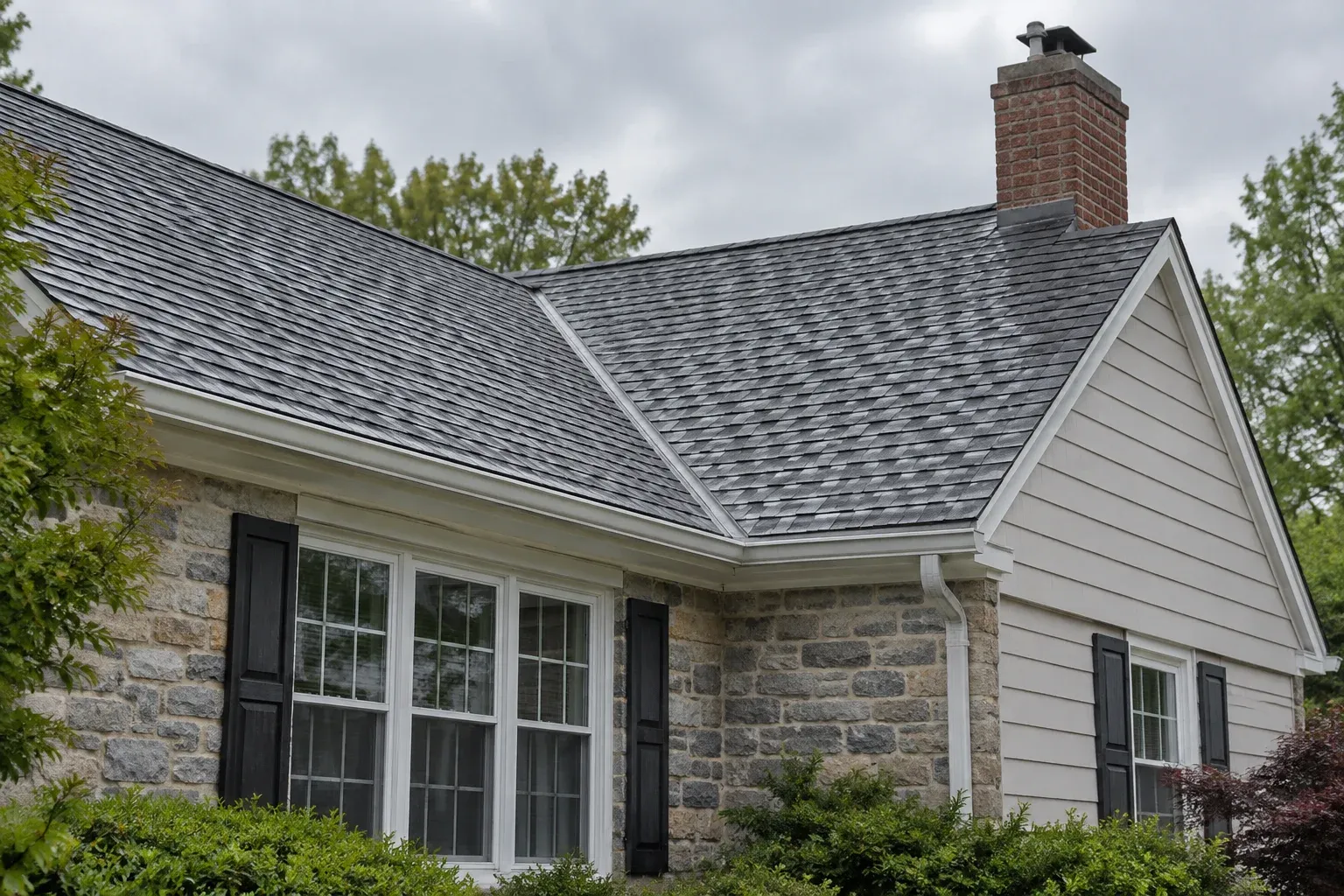
Agree on the unresolved-outcome plan first
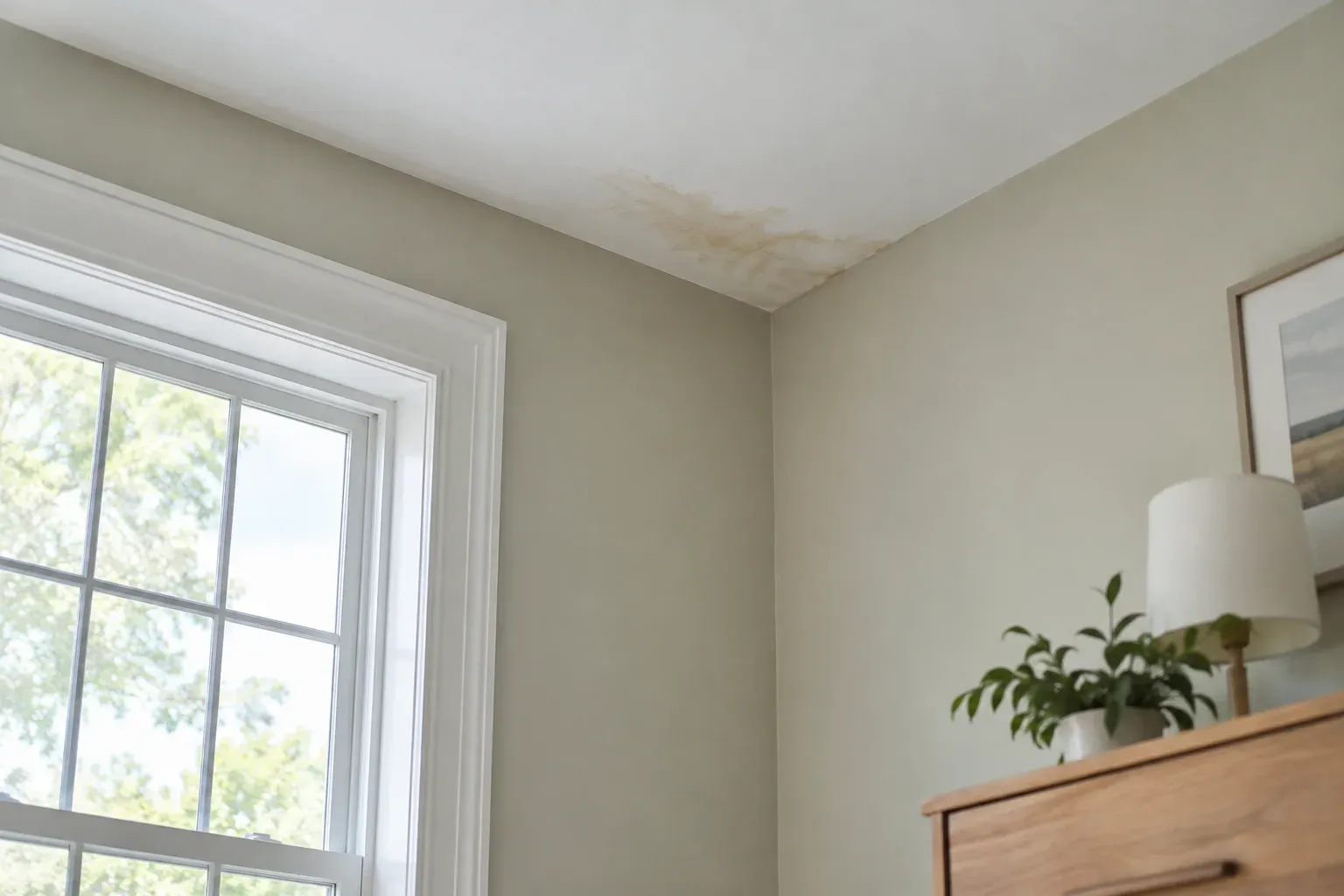
Before approving leak detection in Coatesville, decide what should happen if the first investigation does not confirm the source. A ceiling stain is evidence of a moisture problem, but it does not necessarily identify where water entered or whether the same condition is still active. Setting decision points beforehand gives you a way to evaluate an uncertain result without automatically authorizing more work.
The useful question is not simply, “Will you find it?” Ask what the initial work is intended to establish, what would justify expanding it and what you will receive if uncertainty remains. Leak detection investigates water entry; it does not itself repair a roof or dry wet walls and insulation. Keeping those responsibilities separate helps prevent an investigative proposal from becoming an undefined repair commitment.
Define the first stage and its stopping point
Start with a written statement of the question being investigated. For example, the initial objective might be to evaluate possible roof-related entry above a particular room, rather than explain every stain in the building. Identify the affected rooms, accessible areas and information you are supplying. Ask whether the proposed work ends with observations, a written opinion, photographs or a recommendation for another investigative stage.
Clarify exclusions just as carefully. Repairs, interior openings, material removal and restoration should not be assumed to accompany investigation. Our discussion of diagnosis versus a repair estimate explains that distinction; here, the additional decision is where diagnostic authorization stops. Ask how the initial charge is defined and whether an inconclusive result changes the agreed deliverable. A charge for investigative work should not be mistaken for a promise of certainty.
Name the limits before interpreting the findings
Some limits are knowable before work begins. A finished ceiling, inaccessible roof space, stored belongings or unsuitable weather may prevent examination of a useful area. Ask which limitations are already anticipated and how they affect the conclusions that can reasonably be drawn. An area that cannot be examined should remain an explicit unknown, not quietly become an area described as free of defects.
If restricted access becomes the reason for recommending another stage, ask what new information that access could provide. Guidance on planning around limited attic access offers related context without making an opening the automatic next step. For rental homes and business premises, identify who can authorize entry and disruptions. An occupant reporting a stain may not have permission to approve changes to the building.
Require a reason for each proposed next step
Before approving additional investigation, ask for the chain of reasoning: what was observed, what explanation it supports and what question remains unanswered. A stain beneath a roof penetration may justify closer attention, but proximity alone does not establish the entry point. The proposed next step should address a specific gap rather than repeat a broad search without explaining what will be different.
Competing explanations matter, too. Our article on roof leaks versus condensation illustrates why moisture should not automatically be attributed to roof failure. Ask what evidence supports the leading explanation and what evidence would weaken it. If the concern appears outside the agreed roof-related scope, request a clear handoff recommendation rather than treating an unsupported assumption as a confirmed roof diagnosis or permission to begin repairs.

Separate further investigation from new work
Set an approval checkpoint before work moves beyond the original boundaries. Possible triggers include entering another area, removing finishes, using a different investigative method or extending the agreed time allowance. Ask for an explanation of the purpose, expected limitations, additional charge and foreseeable disruption. You should be able to approve a defined next step, decline it or pause while seeking clarification.
Where an opening or material removal is proposed, establish who would protect the area and who would restore it afterward. Do not assume that investigative authorization includes either task. Similarly, if findings prompt discussion of major roof work, treat that as a separate decision. The article on reviewing a roof replacement proposal concerns that later commitment, not evidence that an unresolved leak requires replacement.
Request a useful record of an inconclusive result
If the source remains unconfirmed, request a record that distinguishes observations from interpretations. Useful documentation identifies the reported symptom, areas examined, conditions during the visit, relevant photographs and access restrictions. It should also state which suspected explanations remain plausible and why. “No active dripping observed during this visit” communicates a narrower finding than “no leak,” especially when the reported problem occurs only under certain conditions.
Ask that recommendations explain what each proposed action could establish and what it might still leave unresolved. A clear record also helps another professional understand the investigation without relying entirely on recollection. Keep copies of your original photographs and any subsequent observations alongside the findings. Dates and consistent room descriptions make the record easier to follow without requiring you to interpret technical evidence yourself.
Choose a deliberate pause or a defined next stage
A pause should have a purpose and a review trigger, not simply mean waiting indefinitely. Ask whether a future observation under different weather conditions could answer a specific question. The article on tracking an intermittent roof leak provides background on useful observations. Record what you can see safely from occupied areas; do not climb onto the roof or enter an unsafe space to gather evidence.
Uncertainty about the source does not remove the need to address immediate hazards or wet materials separately. Stay away from sagging ceilings and water near electrical equipment, and seek appropriate help. For leak detection in Coatesville, a useful unresolved outcome is a documented boundary: what is known, what is unknown and what evidence would justify another authorization. That gives the next decision a clear basis without pretending investigation has already produced a repair.
Frequently asked questions
Does an unconfirmed source mean the investigation was useless?
Not necessarily. Documented observations can narrow possibilities and establish what remains unknown. Their value depends on whether the report clearly records the areas examined, limitations and reasons for any recommended next step.
Should I approve an opening just because the source is uncertain?
Uncertainty alone is not a sufficient explanation. Ask what specific question the opening would answer, why that location was selected, what alternatives exist and who would handle temporary protection and restoration.
Does leak detection include fixing the roof or drying wet materials?
Do not assume so. Leak detection investigates the source or path of water entry. Roof repair addresses an identified roof defect, while assessment and drying of wet building materials are separate work that should be clarified independently.