
Leak Detection in Toughkenamon: Planning a Visit Around an Occupied Home
A practical guide to coordinating entry, work-from-home commitments, private rooms, pets, and household communication before a leak-detection visit in Toughkenamon.

Start with the visit’s purpose and your household’s limits
Planning leak detection in Toughkenamon means coordinating a visit around a home that may still be functioning as an office, classroom, or caregiving space. Someone needs to answer the door, certain rooms may need advance notice, and pets need a secure place away from entry routes. Explaining those details early gives a prospective provider a clearer picture of your constraints before you agree on arrangements.
Start by confirming the purpose of the appointment. Leak detection concerns investigating where water is entering; it does not, by itself, repair the roof or dry wet building materials and belongings. The distinction between diagnosis and a repair estimate can help frame that conversation. Keep household planning separate from assumptions about what work will happen, what equipment will arrive, or whether another visit will be necessary.
Separate entry arrangements from decision-making authority
Choose one adult as the main household contact, then identify who can actually provide entry. These may be different people. A partner might answer the door while the homeowner remains available by phone, for example. Ask whether that arrangement is acceptable before relying on it. Share only the necessary contact details through an agreed channel, and avoid leaving keys outside or sending entry information in a group message.
Be explicit about authority as well as availability. Someone who can unlock the door may not be authorized to approve additional access or changes to the agreed work. In a rented home, coordinate with the owner or property manager about permission and resident notice. If a caregiver or household employee will be present, do not assume they can interrupt their duties to escort visitors or make decisions.
Translate your work schedule into clear availability
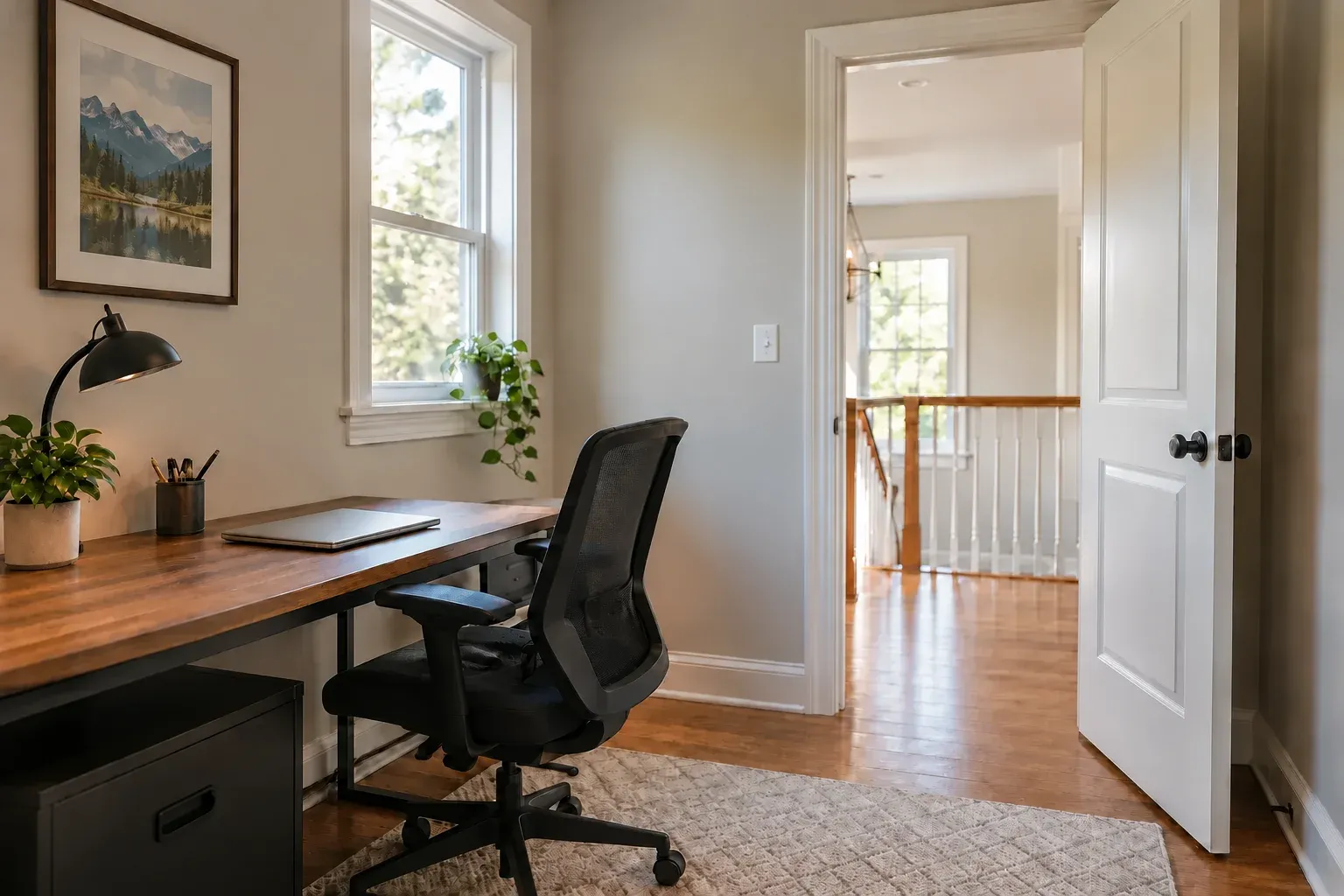
Describe work-from-home commitments as specific boundaries rather than saying you are home all day. Explain when you cannot answer the door, leave a meeting, or allow access to an office. Ask about the expected arrival window and how schedule changes are communicated. An arrival window is not necessarily the length of the visit, so discuss both without assuming that either can be guaranteed in advance.
Build a backup plan for the part of the day that matters most. You might move an important call to another room, arrange for another adult to respond, or choose a different date if the constraints cannot fit together. Ask whether anticipated activity could affect calls, but do not assume a diagnostic appointment will be silent. State fixed commitments early rather than revealing them when someone arrives.
Agree on room access without surrendering privacy
Before moving furniture or reorganizing the house, ask which spaces the provider expects to access and through which entrance. Mention rooms that need advance notice: a nursery during naps, a bedroom used by a night-shift worker, or a room where someone receives care. Explain the restriction without sharing private medical details. Agree on how someone should request entry rather than treating an unlocked door as permission.
A short room list is usually more useful than a lengthy description of the floor plan. Identify the affected room, any agreed route through the home, and spaces requiring a separate conversation. If a physical access limitation needs its own discussion, the article on planning when there is no attic access addresses that distinct issue. For household coordination, the priority is confirming permission and timing for the spaces being requested.
Make a separate plan for pets and children
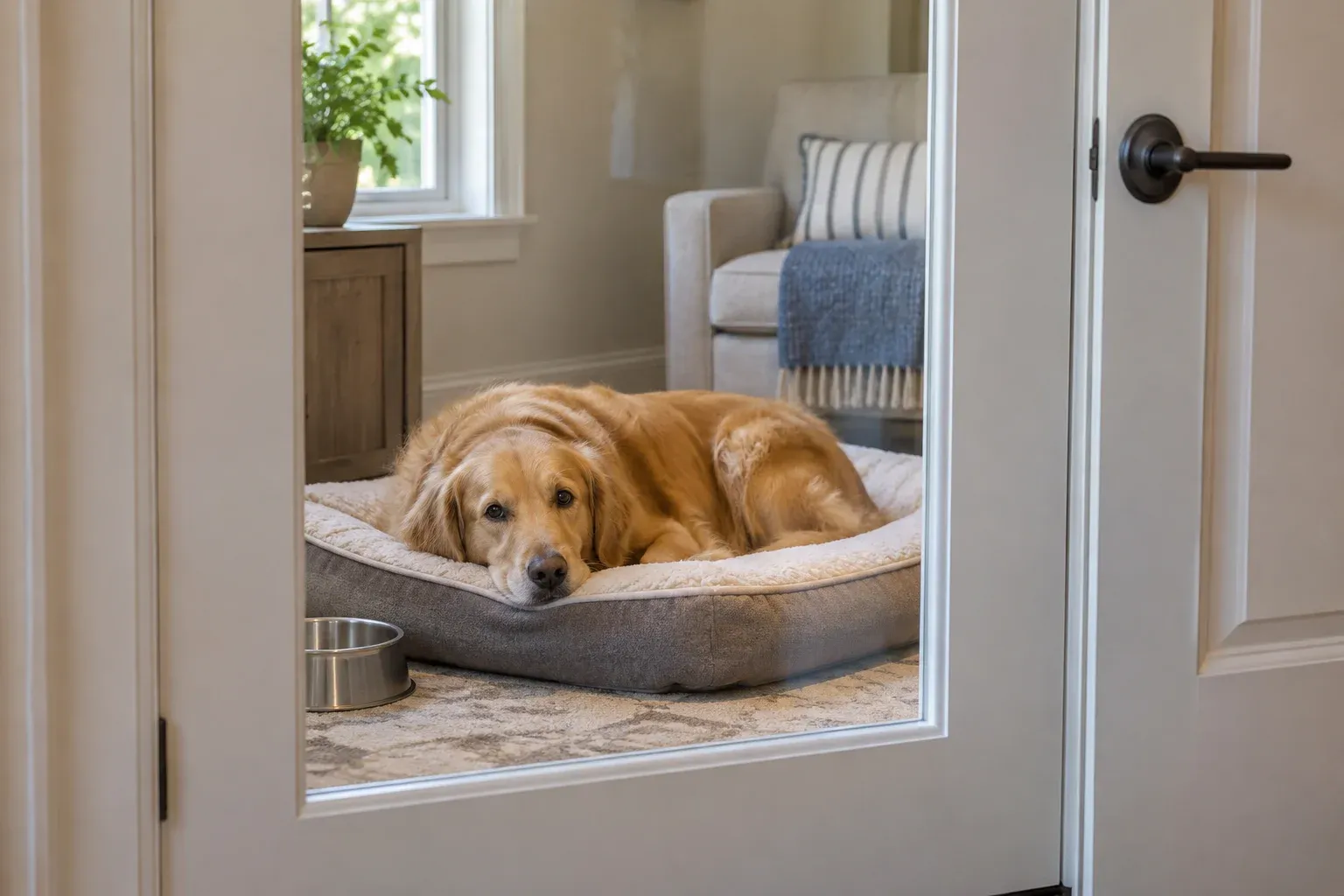
Plan for pets before the arrival window begins. Choose a secure room outside the agreed access route, or arrange care elsewhere if no suitable space is available. Include water and the animal’s usual essentials, and tell household members not to open that door casually. Even a friendly pet can slip outside when an unfamiliar person enters, so introductions are not a substitute for a reliable containment plan.
Children also need a clear boundary between everyday household activity and the visit. Arrange supervision that does not depend on the person answering questions or providing access. Keep toys, shoes, and pet gates from blocking the agreed route, but ask before removing a barrier needed for child safety. The goal is a workable path through the house, not a spotless home or an unnecessary rearrangement of every room.
Give the available adult a short, consistent handoff
If more than one person has noticed the water, collect their observations beforehand so the available adult does not have to reconstruct everyone’s account at the door. Keep this brief: where it appeared, when it was noticed, and who has relevant photographs. Guidance on tracking a leak that comes and goes can support that handoff without turning the visit into a series of calls to absent household members.
Pass along observations rather than assigning a cause. One resident may call a mark a roof leak while another suspects indoor moisture. The discussion of roof leaks versus condensation explains why those labels are not interchangeable. For scheduling purposes, make sure the person present knows which room to identify and where the household’s notes are stored. There is no need to prepare a technical explanation before allowing a conversation.
Confirm the handoff at the end of the visit
Agree on how the visit will end if the main contact is still in a meeting or away from home. Ask who should receive the findings and how questions can be raised afterward. Avoid planning a rigid household deadline around an assumed answer; a source may remain uncertain. The article about an unconfirmed leak source covers that possibility, which is separate from whether entry and communication went smoothly.
Before the agreed date, check that everyone has the same practical information: who answers the door, which commitments cannot move, which rooms require notice, and where pets will stay. Update the provider if those arrangements change rather than relying on an earlier conversation. For leak detection in Toughkenamon, a useful preparation plan keeps household responsibilities clear while leaving the investigation, any roof repair, and any drying work as distinct tasks.
Frequently asked questions
Does everyone need to leave during a leak-detection visit?
Do not assume that leaving is necessary or that every room can remain occupied. Ask the provider which spaces need access and whether the proposed work requires any temporary restrictions. Share work, care, and privacy needs before confirming arrangements.
Can another adult provide access while I am working?
Ask whether that arrangement is acceptable. The adult should know the agreed entry arrangements, room restrictions, and how to reach the person authorized to make decisions. Permission to open the door should not be treated as permission to approve additional work.
Will leak detection also stop the leak or dry wet materials?
Leak detection investigates the source of water entry; it does not itself repair a roof or dry affected materials. Roof repair addresses the roof defect, while assessment and drying of wet building materials or belongings involve separate work. Confirm the scope rather than assuming these tasks are included.