
Shingle Roofing in Hamorton: Three-Tab or Architectural Shingles?
A practical guide to choosing between three-tab and architectural shingles by comparing construction, roof appearance, documented ratings and installation needs.
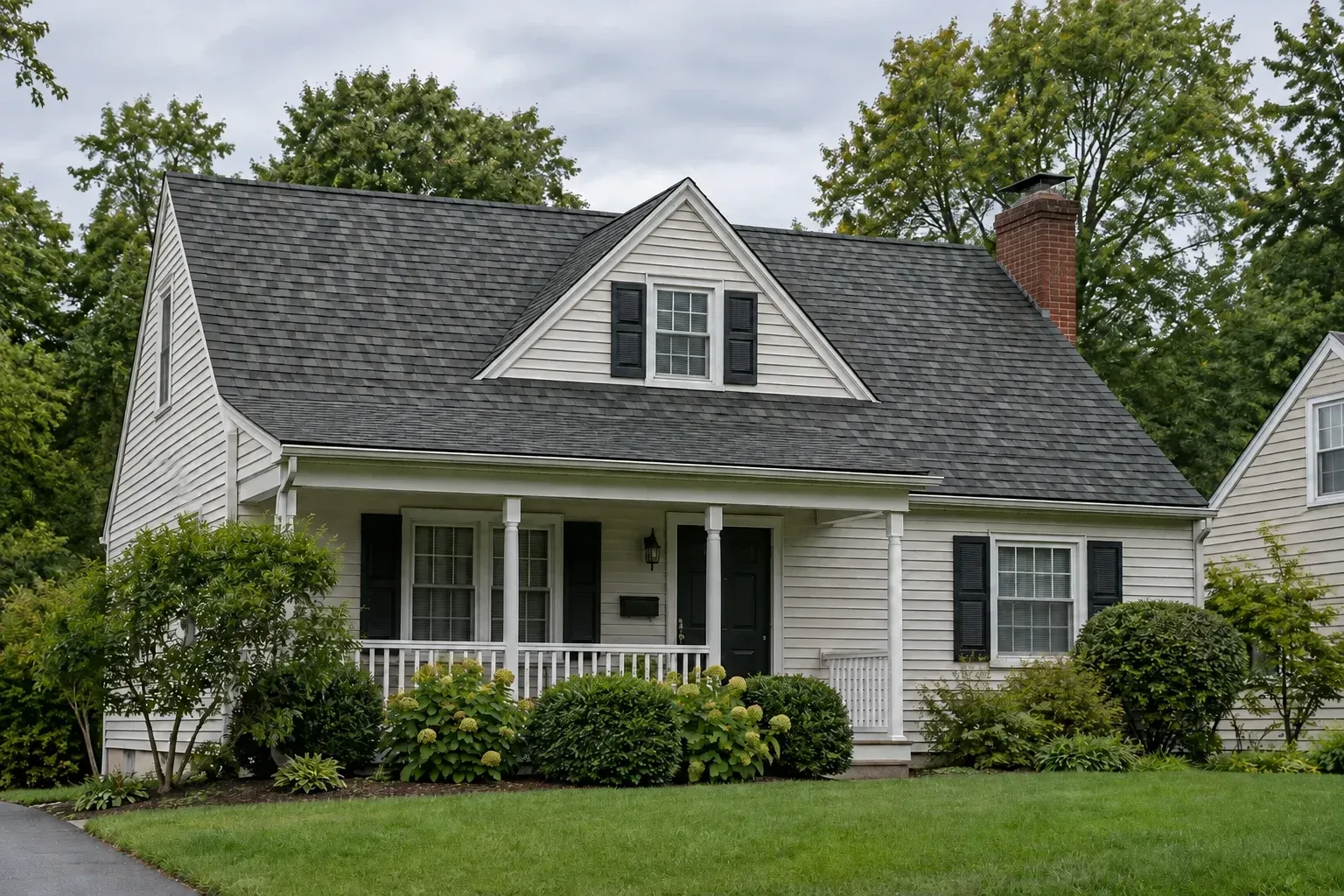
Start with specific products, not category promises
For homeowners planning Shingle roofing in Hamorton, choosing between three-tab and architectural shingles starts with more than appearance. These asphalt shingle types differ in construction, but the category name does not tell you everything about wind resistance, installation or warranty coverage. The useful question is which specific product fits your roof’s geometry, your preferred look and the performance priorities you can verify in manufacturer documents.
Begin with two actual products rather than a generic “basic versus premium” comparison. Gather their data sheets, application instructions and limited warranties. Then compare the same features side by side. This approach also helps landlords and owners of small business properties with suitable sloping roofs; a product that suits a house is not automatically appropriate for every commercial roof.
What changes in the shingle itself?
A conventional three-tab shingle has a single layer with cutouts along its lower edge, creating three regularly spaced tabs. Architectural shingles, also called laminate or dimensional shingles, use multiple layers bonded together. Their varied profiles create a deeper visual texture. GAF’s guide to asphalt shingle types describes this construction difference, which explains the familiar flat, repeating appearance of three-tab roofing and the more irregular appearance of architectural roofing.
Multiple layers do not establish a universal service life or a guaranteed level of protection. Thickness, reinforcement, sealant design and other features vary by product. Likewise, “architectural” does not mean every model has an impact-resistance classification. Treat construction as the starting explanation for the difference, then look for documented features that address your priorities. Avoid choosing solely by how heavy a loose sample feels in your hand.
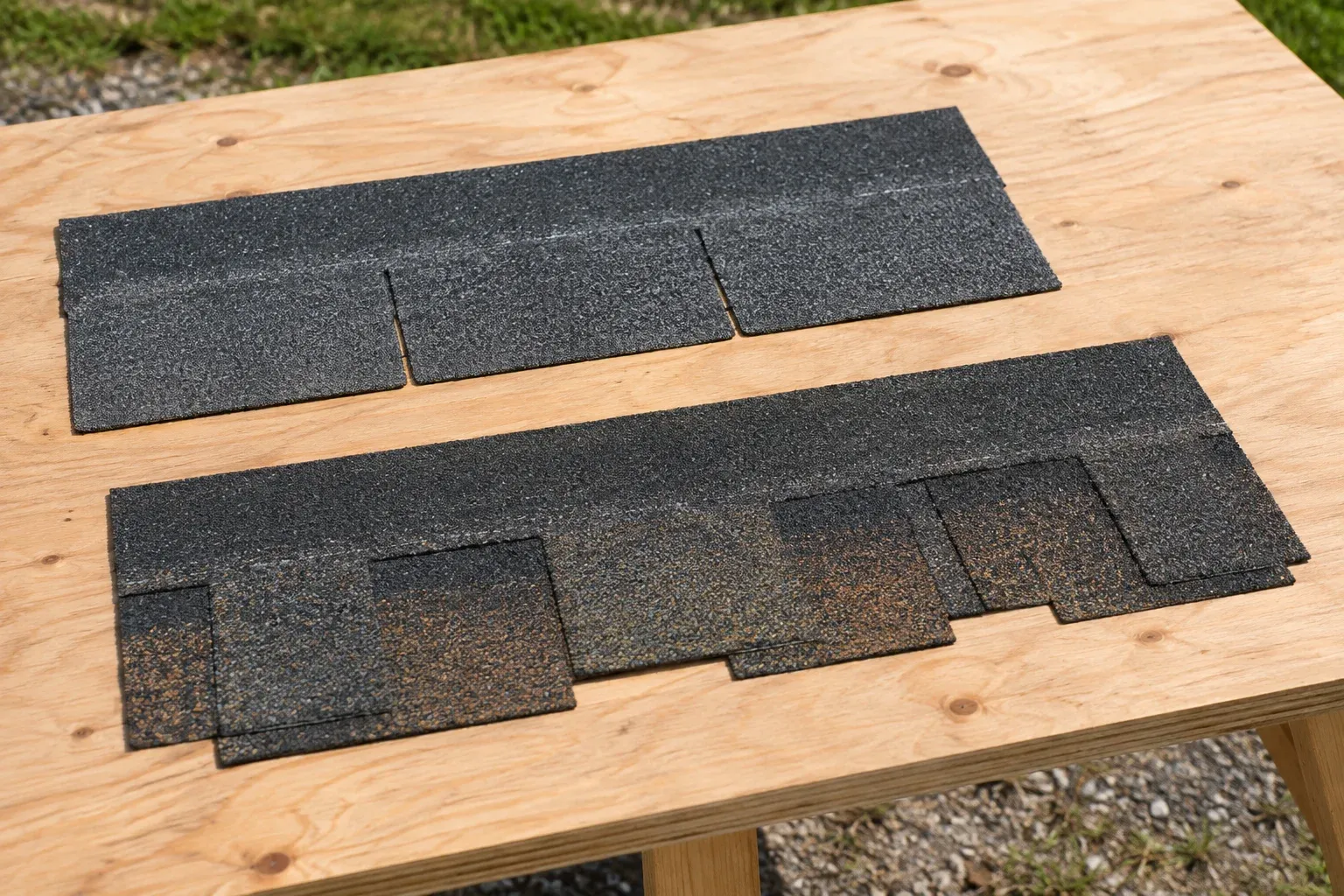
Compare the roof pattern before choosing a shade
Three-tab shingles create a consistent pattern that can suit a homeowner who prefers a restrained roof surface. Architectural shingles add shadow and variation, which become more noticeable on broad roof planes visible from the street. Roof pitch and viewing distance affect that impression. Compare full-size samples rather than assuming a small brochure image conveys the finished texture; the practical sample checklist offers a useful way to organize that review.
Keep profile selection separate from color selection. You can decide whether you want a regular or dimensional pattern before narrowing the shade. For Hamorton homeowners, the guide to choosing shingle colors addresses that later decision. Here, concentrate on whether the roof’s visible area benefits from added texture, whether connected roof sections should look consistent, and whether any applicable property restrictions limit material profiles. Do not assume a dimensional product automatically suits every building.
Read performance ratings without mixing unlike claims
Wind testing and wind warranty coverage are different measures. For example, GAF’s Royal Sovereign product page lists ASTM D7158 Class H and ASTM D3161 Class F, while stating a wind warranty limit of 60 mph, subject to its terms. That combination illustrates why a test classification should not be read as a promise that a finished roof is covered at the corresponding laboratory test speed.
Architectural products also require careful reading. GAF describes its WindProven limited wind warranty for qualifying Timberline shingles with LayerLock technology as requiring a specified combination of accessories. That is a product-and-system condition, not a benefit attached to all architectural shingles. Ask which warranty applies to the exact proposed assembly, what installation conditions establish eligibility, and whether coverage changes when different accessories are used.
Review impact, fire and algae information separately rather than grouping everything under “durability.” GAF identifies selected products with UL 2218 Class 4 impact resistance, not the entire architectural category. A fire classification may depend on the roof assembly, while algae coverage concerns specified discoloration rather than every roof stain. Longer warranty language should never be converted into an expected replacement date.
- Compare the same test standard and classification for each product.
- Read wind warranty limits separately from laboratory test results.
- Confirm accessory and installation conditions for the stated coverage.
- Check impact, fire and algae provisions individually.
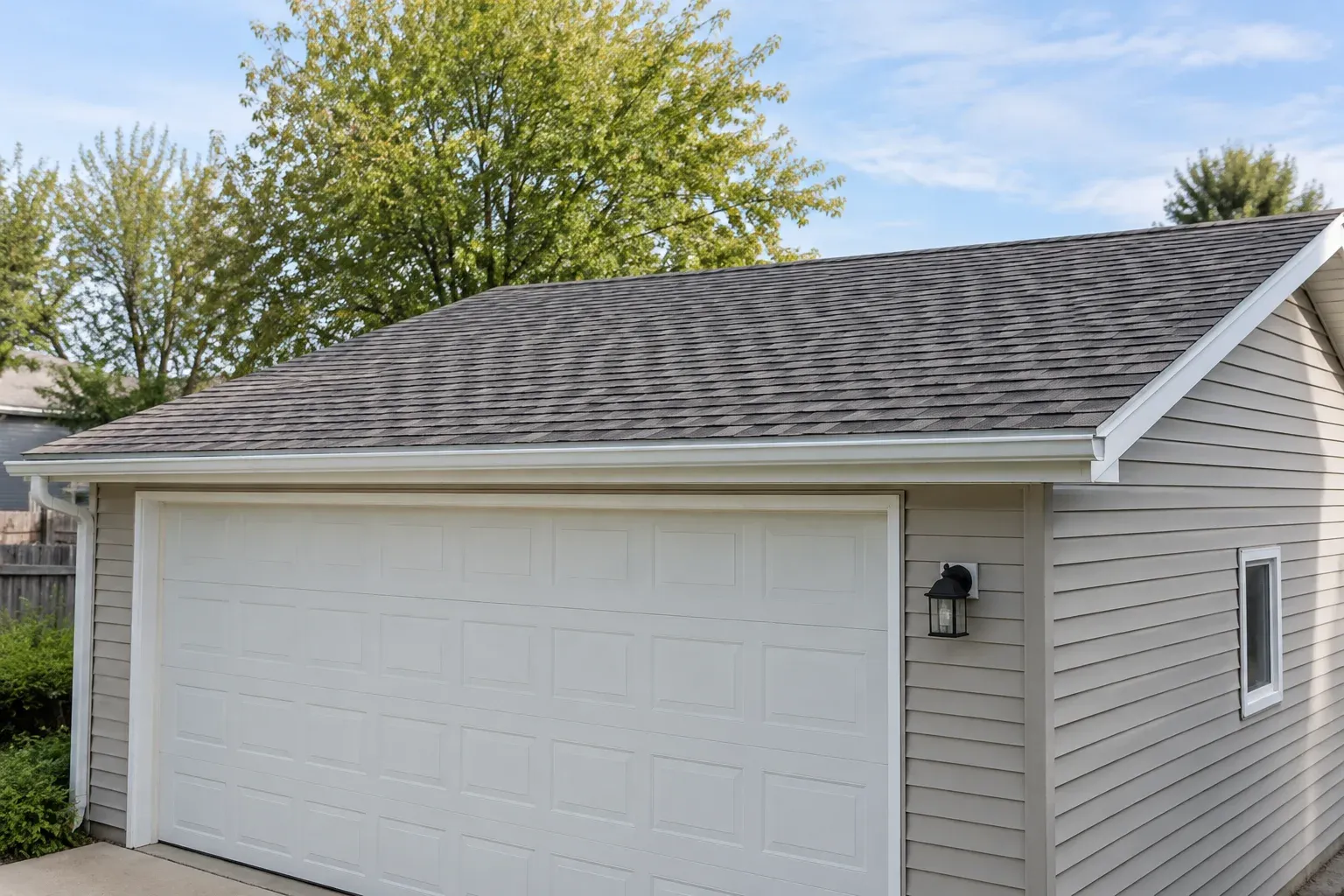
Check roof suitability and installation requirements
Roof suitability comes before preference. GAF’s LayerLock installation instructions specify slopes of 2:12 or greater for the listed products. A 2:12 slope rises two inches over twelve inches horizontally. Lower permitted slopes can involve different underlayment provisions, so verify the complete instructions for each roof plane. Neither extra layers nor a more substantial appearance makes a shingle suitable for a roof below its permitted slope.
Installation details are product specific, too. The supplied Royal Sovereign English-size and LayerLock instructions show different nail locations and shingle layouts. Both address appropriate decking, fasteners and sealing, but one product’s layout should not be transferred to another. A sound comparison asks whether the installer will follow the selected model’s current instructions, including exposure, course offsets, starter details and any enhanced fastening requirements. These details are not interchangeable simply because both products contain asphalt.
Temperature matters because self-sealing shingles need suitable conditions to bond. Both supplied instruction sets address hand sealing during prolonged cold periods. Discuss how seasonal conditions affect the installation plan rather than assuming either category seals immediately. Separately, planning for noise and deliveries helps households prepare for the work; product selection alone does not resolve access, staging or daily disruption. Keep those practical arrangements distinct from claims about shingle performance.
Choose for this roof and keep the product record
If only part of the roof needs work, compatibility becomes a separate concern. Three-tab and architectural shingles can differ in dimensions, exposure and thickness, so a similar shade does not make them interchangeable repair materials. The discussion of discontinued original shingles explains why product identification matters. Preserve the selected product name and documentation so future repair decisions begin with better information.
For a full roof, narrow the choice to products that meet the roof’s requirements, then rank appearance and documented performance. When the selection enters a written scope, the guide to comparing shingle roofing estimates helps distinguish material details from the overall project total. For Shingle roofing in Hamorton, the strongest choice is a specific, suitable product installed to its requirements—not a category label treated as a guarantee.
Frequently asked questions
Are architectural shingles always more wind resistant than three-tab shingles?
No. Compare the exact products’ test classifications, installation requirements and wind warranty terms. Category names alone do not establish wind resistance, and a laboratory test speed is not the same as a warranty limit.
Can architectural shingles be used on every low-slope roof?
No. The selected product must permit the roof’s measured slope, and lower permitted slopes may require additional underlayment provisions. GAF’s supplied LayerLock instructions specify a minimum slope of 2:12; that does not establish suitability for every roof assembly.
Does a longer shingle warranty mean the roof will last that long?
No. A limited warranty describes coverage subject to its terms, exclusions and eligibility requirements. It is not a prediction of roof life, which also depends on installation, ventilation, exposure and maintenance.